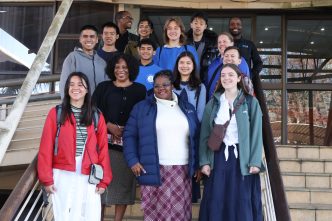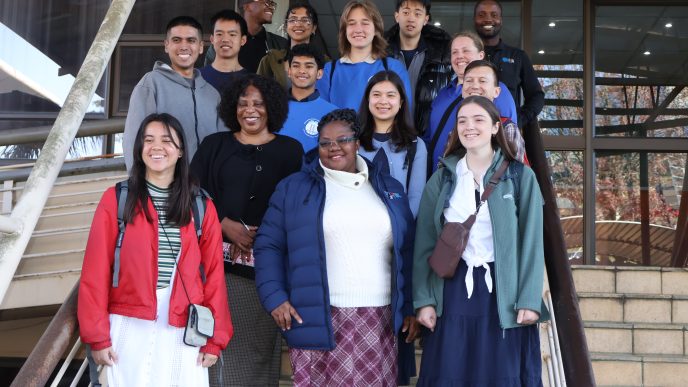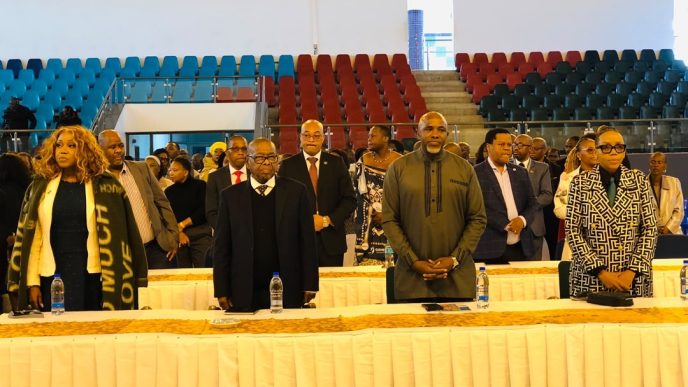
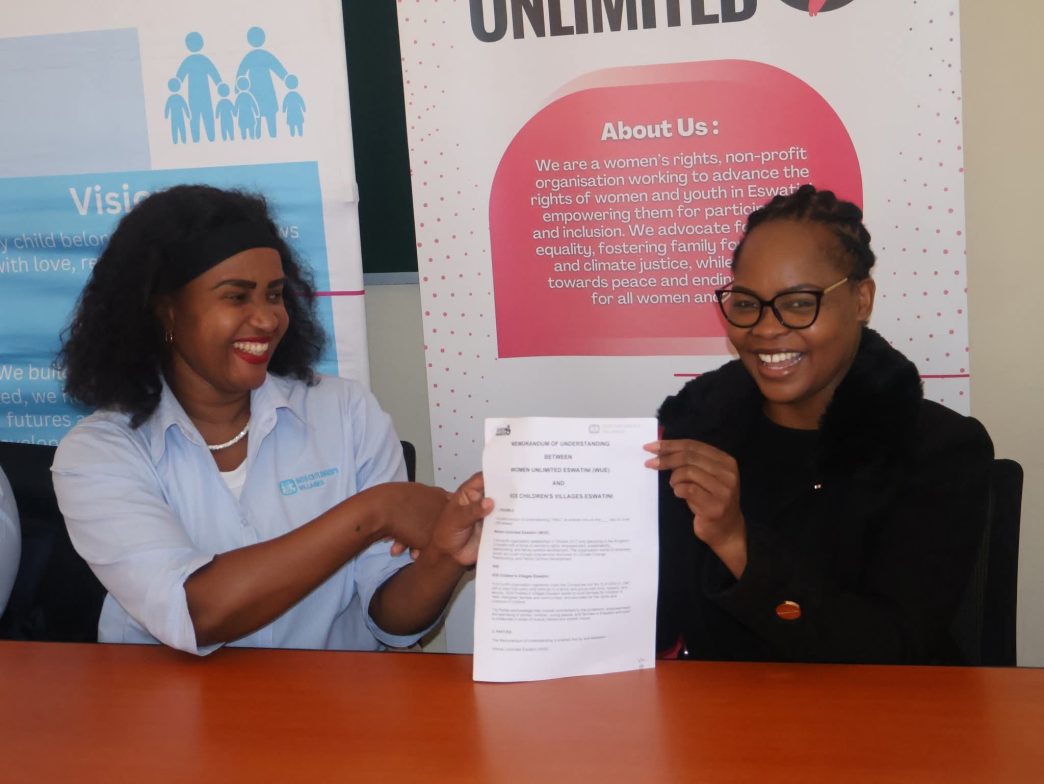
Women Unlimited Eswatini and SOS Children’s Villages Eswatini have formalized a strategic partnership through the signing of a Memorandum of Understanding (MoU),
establishing a unified framework to accelerate community development, promote gender equality and improve welfare systems for women and children across the country.
The agreement establishes a collaborative operational structure designed to leverage the distinct institutional strengths of both non-governmental organizations. 
By integrating Women Unlimited’s advocacy and human rights expertise with the family-strengthening and child-protection infrastructure of SOS Children’s Villages, the partnership aims to implement targeted, scalable interventions in underserved communities.
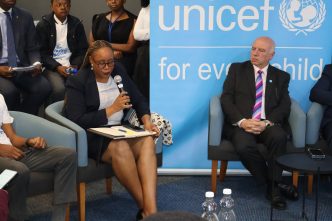
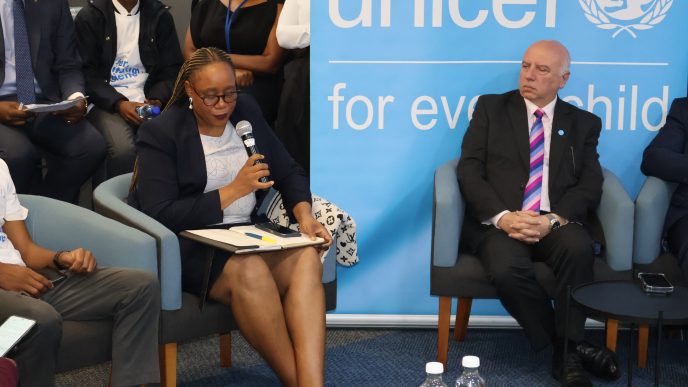
Speaking at the official signing ceremony, Women Unlimited Eswatini Founder and Executive Director, Vimbai Kapurura, emphasized the necessity of translating the administrative agreement into measurable, on-the-ground outcomes.
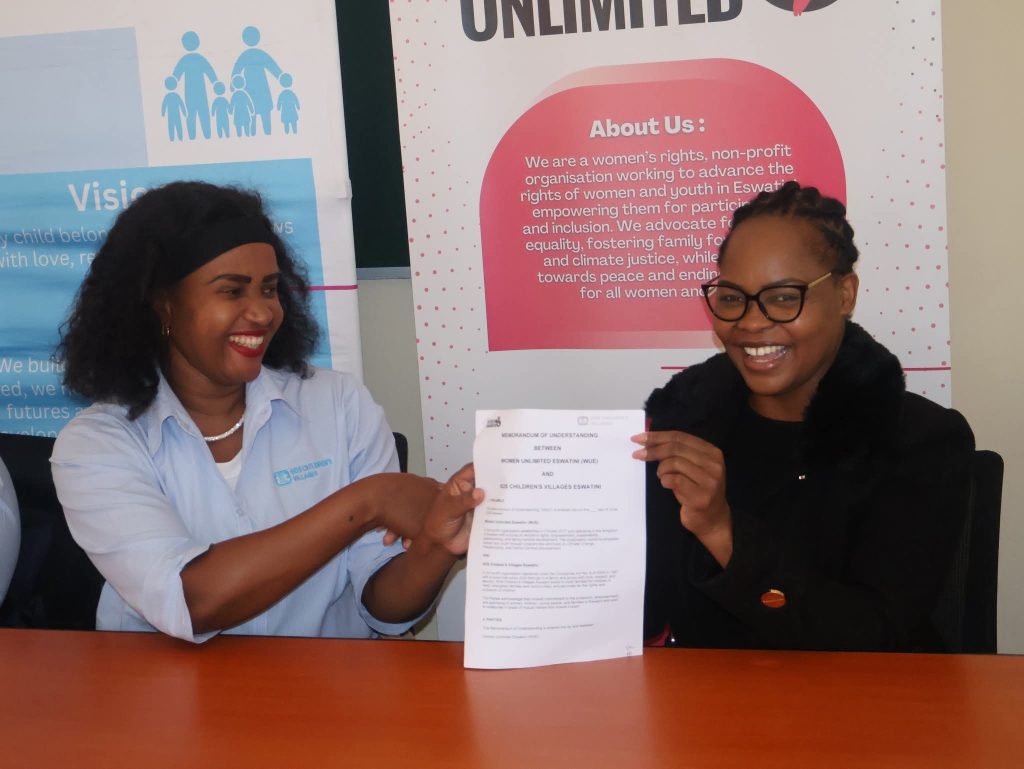
“May this MoU go beyond ink on paper and become real change where every woman thrives, every child is safe and every family has a chance at a better future in Eswatini,” Kapurura stated.
She further mentioned that as Women Unlimited Eswatini they are not just signing a document but they are making a solemn promise to the communities that rely on them.
Kapurura stated that true empowerment cannot happen in isolation and by joining forces, but they are creating a safety net that protects the most vulnerable.
She further mentioned that when they empower a woman, they inevitably lift her children and stabilize her entire household.
In her address, the Executive Director said this partnership allows both parties to pool their resources, scale their advocacy and confront the systemic inequalities that have held women back for generations.
“We want to see measurable milestones, fewer cases of gender-based violence, higher financial independence for mothers and safer spaces for our youth,” remarked Kapurura.
The acting National Director of SOS Children’s Villages Eswatini, Bonsile Bhembe, addressed the structural requirements of modern development frameworks during her remarks.
Bhembe underscored the critical importance of a holistic approach to development, noting that gender equality should not merely be mainstreamed, but should stand as a dedicated programme in its own right to achieve meaningful results.
“If we treat gender equality as an afterthought or a secondary checklist item tucked away inside larger initiatives, we will never achieve the profound social shift Eswatini needs,” Bhembe explained.
She mentioned that it requires dedicated funding, specialized staff and standalone programming to dismantle deeply entrenched biases.
Furthermore, she discussed that community support must be radically inclusive, embracing both girls and boys.
For too long, development agendas have focused on the girl child which is vital, but the country have inadvertently left the boy child behind.
“We must actively engage young boys in our programming, teaching them about equity, respect and shared responsibility from an early age,” stated Bhembe.
She emphasized that if the country does not raise emotionally intelligent, accountable boys, its people will never truly protect their girls or build the equitable, peaceful and prosperous communities the nation envision for the future.
The finalized operational framework commits both entities to joint resource mobilization, co-designed community development initiatives and shared data metrics to monitor program efficacy.
According to organizational representatives, the immediate priority of the partnership will be the expansion of community-level support networks,
ensuring that rural and peri-urban families gain equitable access to essential social services, human rights education and economic empowerment initiatives.