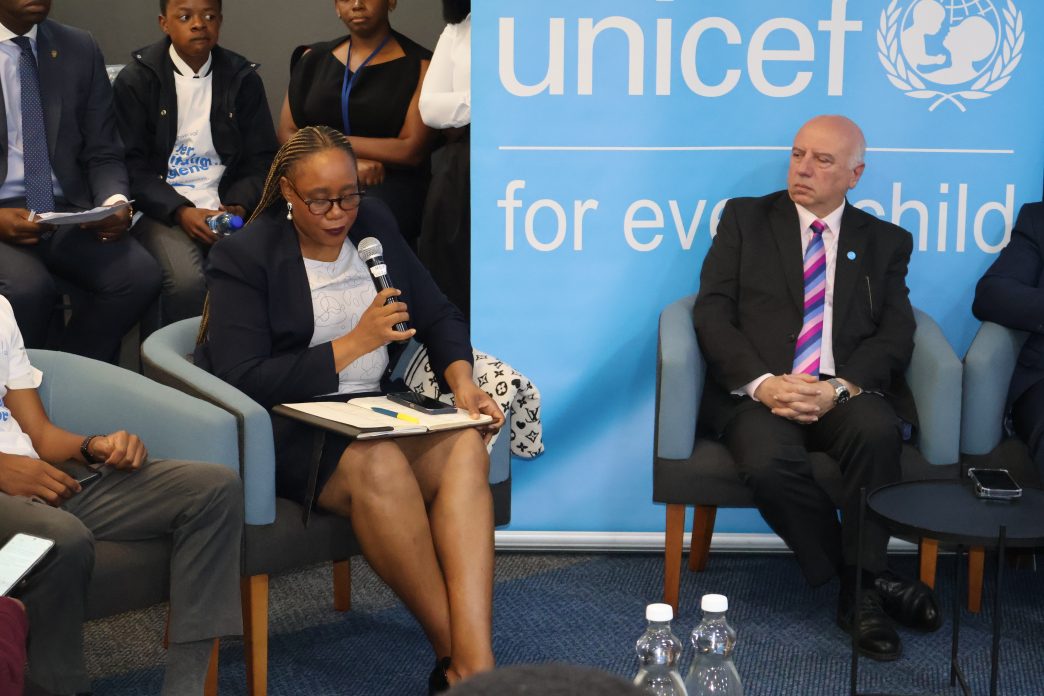
The Manzini Municipal Council has formally pledged its commitment to strengthening its water quality monitoring systems and expanding critical sanitation infrastructure across the city’s informal settlements.
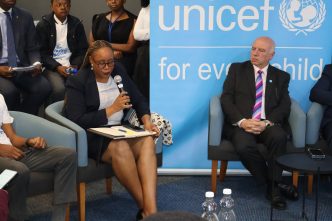
The Municipal Council of Manzini’s Director of Community Services, Nomcebo Dlamini, stated that the local government is actively pursuing an aggressive strategy to transition under-resourced urban sectors from partial water coverage to a hundred percent supply rate.
The targeted administrative directive places a particular emphasis on protecting children and safeguarding vulnerable populations residing within the municipality’s three recognized informal settlements. 
Dlamini confirmed that the municipality’s responsibilities firmly center on ensuring reliable access to water, sanitation and hygiene within the broader community.
She noted that the younger demographic has become a focal point of these municipal development plans.
To address these immediate needs, the council has established a dedicated water monitoring program that strictly focuses on comprehensive water quality monitoring.
This program acts as a public health safeguard, ensuring that all water circulating through the municipal boundaries meets safety standards to prevent waterborne illnesses.
Alongside quality testing, the council is actively working to resolve the physical limitations of water accessibility in informal areas.
According to municipal assessments, these settlements house the city’s most vulnerable groups.
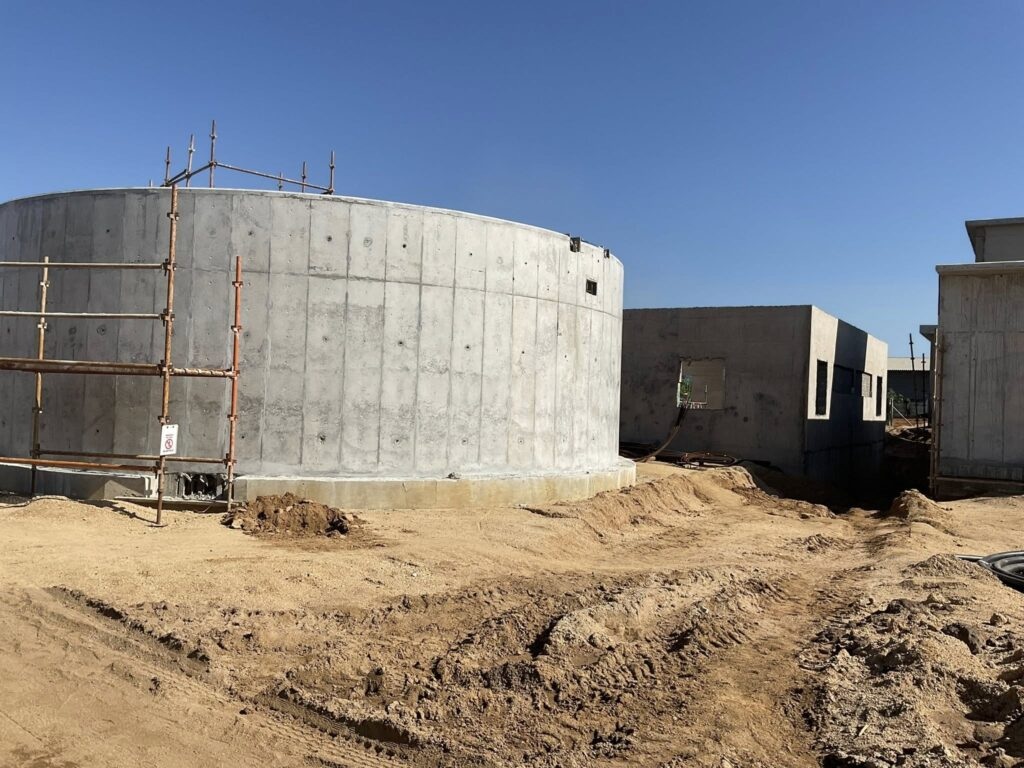
The ongoing development program is structured to systematically eliminate deficits in these zones, ensuring that a continuous, uninterrupted water supply and safe toilet facilities are established over time.
The Director of Community Services Nomcebo Dlamini highlighted the Coincil’s progress by citing the successful completion of a comprehensive water and sanitation project in the Mangwaneni informal settlement.
Executed in coordination with external development partners, the Mangwaneni project introduced a fully functional sanitation block featuring standard toilet facilities and a reliable water supply delivered through a localized water kiosk.
Dlamini emphasized that child-centric planning was integrated into the engineering and inception phases of the Mangwaneni project to guarantee total accessibility.
She stated that the municipality prioritizes beneficiary needs during the earliest planning stages to ensure that infrastructure is genuinely usable for everyone.
The director noted that while granting access is a crucial first step, ensuring that small children and vulnerable individuals can physically use the facilities safely is equally important.
Following the completion of the Mangwaneni pilot, the council intends to replicate this exact infrastructure model across the remaining informal settlements in the city.
For the communities that have not yet received permanent upgrades, the Director of Community Services assured the public that interim relief measures are currently active.
“To bridge the gap, the Manzini Municipal Council is utilizing short-term interventions to maintain health and hygiene standards,” stated Dlamini.
These temporary measures include the deployment of water supply tents to areas facing immediate shortages, as well as the installation and management of chemical toilets where standard plumbing is not yet available.