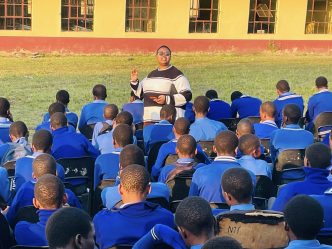
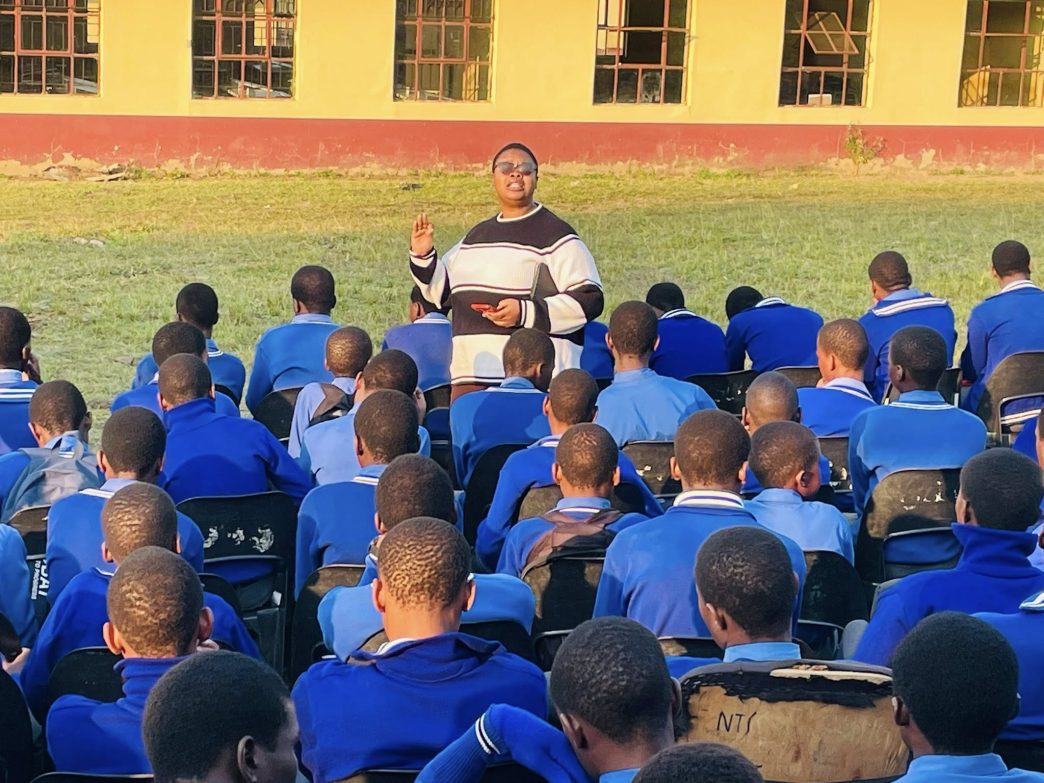
A total of 438 learners at Oslo High School recently participated in a school dialogue programme aimed at strengthening decision-making skills and promoting responsible behaviour among young people.
The initiative, facilitated by the Nhlangano Aids Training Information and Counselling Centre (NATICC), featured separate sessions for boys and girls,
providing a platform for learners to engage in meaningful discussions about their future aspirations and the choices that shape them. 
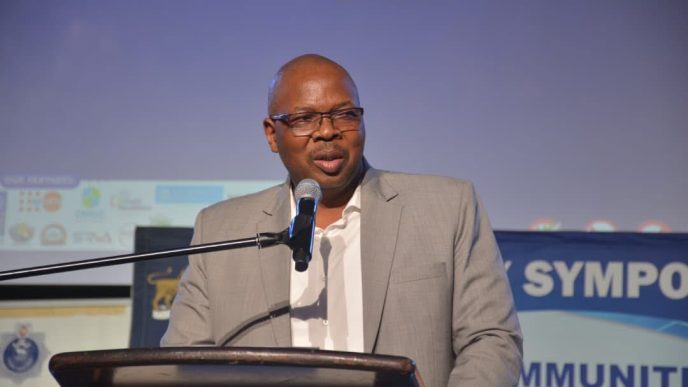
The boys’ session was led by Prevention Officer Vamsile Simelane, who encouraged learners to reflect on the direction of their lives and the type of men they aspire to become.
Through an open and interactive discussion, participants explored the values of self-control, respect, responsibility and accountability.
Learners were challenged to reject negative peer pressure and harmful societal influences,
while embracing positive behaviours that would contribute to personal growth and future success.
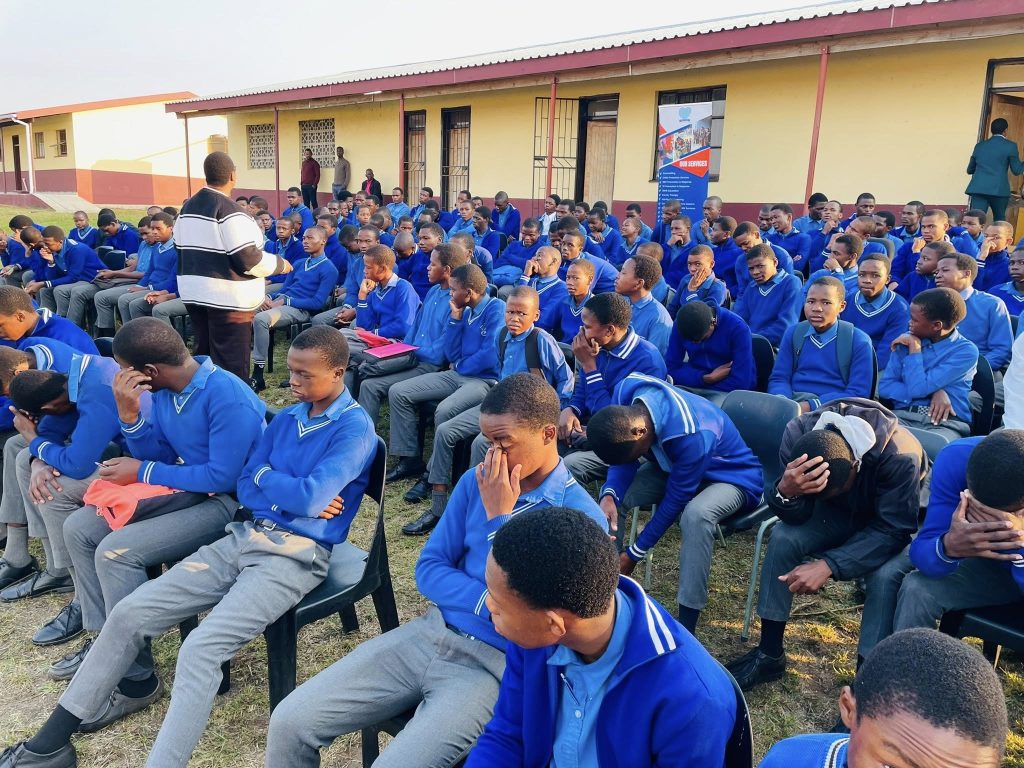
Speaking during the session, Simelane emphasized the importance of making thoughtful decisions and understanding the long-term impact of one’s actions.
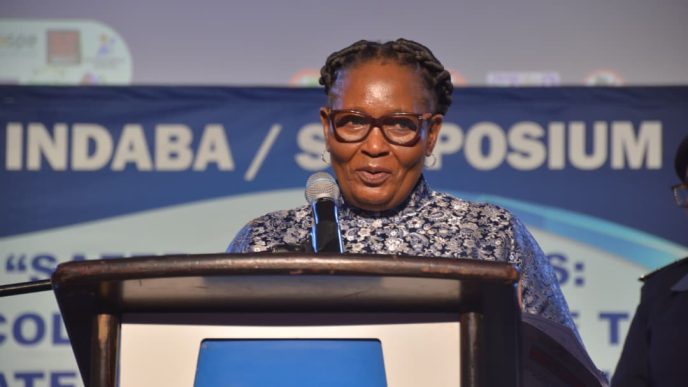
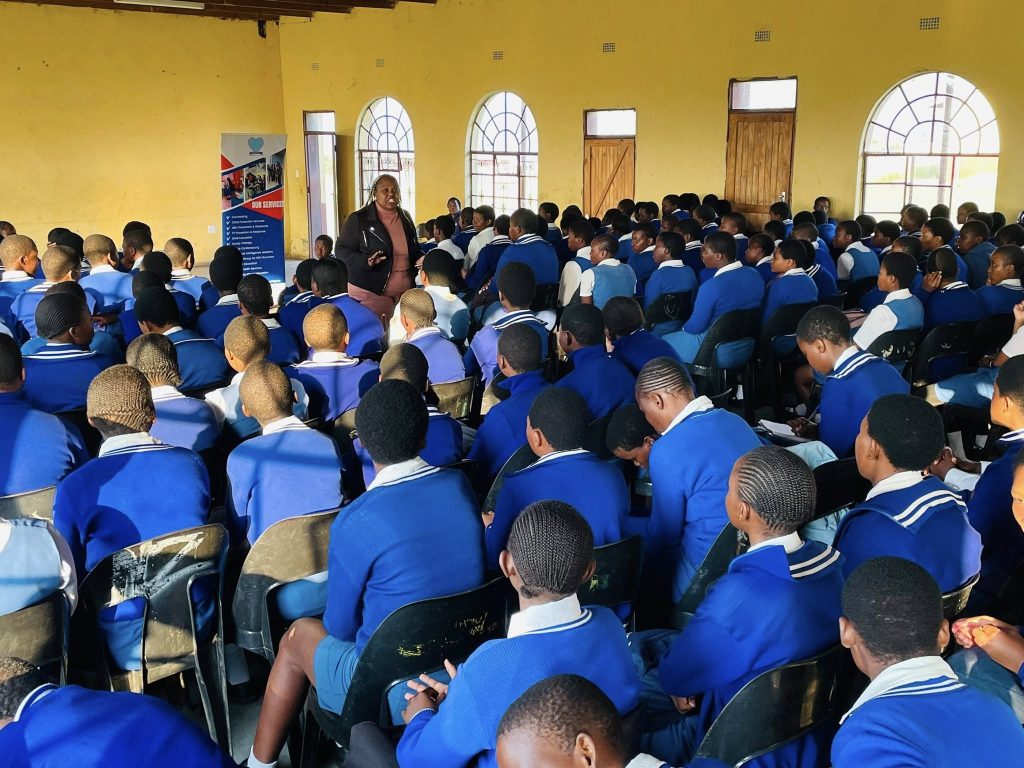
Meanwhile, the girls’ session was facilitated by Prevention Officer Simphiwe Mkhonta, who focused on informed decision making, self-awareness and personal responsibility.
Participants were encouraged to identify and uphold their personal values, seek information before making important decisions and avoid influences that could jeopardize their educational and life goals.
Discussions also addressed key issues affecting young women, including relationships, education and personal development, with learners urged to prioritize choices that support their ambitions and well-being.
A central theme across both sessions was the “3 C’s of Decision Making” — Challenge, Choice and Consequences.
Facilitators reminded learners that every decision presents a challenge, requires a choice and ultimately carries consequences.
The learners were encouraged to think beyond immediate circumstances and consider how the decisions they make today can shape the future they envision for themselves.
NATICC said the dialogue forms part of ongoing efforts to empower young people with life skills that enable them to navigate challenges, make informed decisions and become responsible members of society.
The programme was well received by learners, who actively participated in discussions and shared their experiences and perspectives on issues affecting young people.