
Eswatini recorded a staggering 1,994 Gender-Based Violence (GBV) cases within the first three months of 2026, highlighting the growing scale of a crisis that authorities say continues to threaten families, communities and national development.
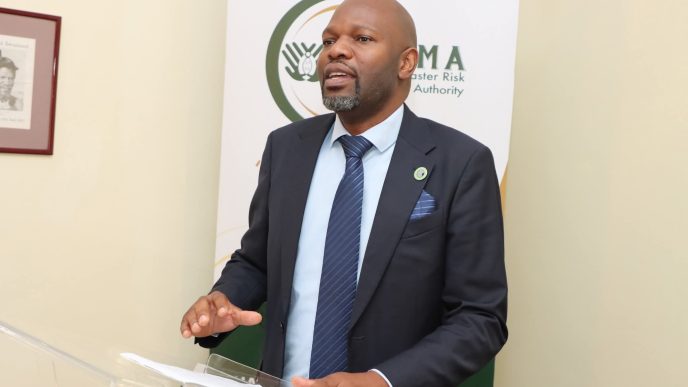
The alarming figures were revealed by National Commissioner (NatCom) Chairperson Manoma Vusie Masango during the National Gender-Based Violence Dialogue held at the Luke Commission in Sidvokodvo.
Masango said the country had registered the cases between January 1 and March 31, with Manzini Region recording the highest number of incidents. 
The revelations come as government, development partners, traditional leaders and community representatives gathered under the theme, “Safer Communities: A Collective Response to Eliminate GBV,” to explore solutions to the escalating problem.
“Gender-Based Violence continues to be a cause for concern for the Royal Eswatini Police Service as every year we record more cases despite our concerted efforts,” said Masango.
He warned that GBV was no longer an issue affecting only individual households but had become a national challenge with far-reaching social and economic consequences.
“The cost of inaction is far too great. Gender-Based Violence destroys families, traumatises children, undermines productivity, fuels crime and weakens the social fabric of our nation,” he said.
Masango noted that many incidents involve perpetrators who are closely connected to their victims, including spouses, lovers, parents and other relatives.
The first-quarter statistics also paint a grim picture of the violence’s deadly consequences.
A total of 22 GBV-related murders were recorded during the reporting period, with women accounting for the majority of victims.
Children were among the hardest hit, with seven minors losing their lives in GBV-related circumstances.
The NatCom further disclosed that rape cases remain a major concern, with 481 incidents reported during the same period. Of these, 269 involved children between the ages of 12 and 17.
He said the prevalence of violence against children and women underscores the urgent need for communities to take greater responsibility in protecting vulnerable groups.
Masango linked the fight against GBV to His Majesty King Mswati III’s declaration of 2026 as the Year of Agape Love, saying the King’s call challenged every liSwati to reject violence and embrace values of dignity, respect and protection.
He urged communities to report abuse early and abandon the culture of silence that often allows violence to continue unchecked.
“Communities must transition from silence to action. Violence must be reported without fear, victims must be supported rather than stigmatised, and perpetrators must be held accountable without exception,” he said.
Masango stressed that while law enforcement remains committed to strengthening investigations and victim-centred policing,
lasting success would require a coordinated response involving government, communities, traditional leaders, churches, academia and development partners.
He called on participants at the dialogue to develop practical and measurable interventions that would help transform communities into safer spaces for all.
“Let us rise today not as separate institutions, but as one united nation determined to confront and eliminate Gender-Based Violence,” he said.