Sustainable development in Eswatini will only succeed through strong and structured collaboration between Government and traditional leaders,
the Minister for Tinkhundla Administration and Development, Sikhumbuzo Dlamini, has said.
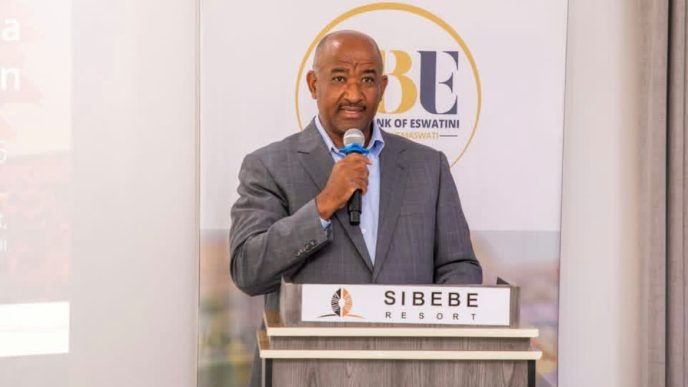
Dlamini made the remarks on Tuesday when he officially opened the inaugural three-day Manzini Chiefs Summit at Esibayeni Lodge in Matsapha,
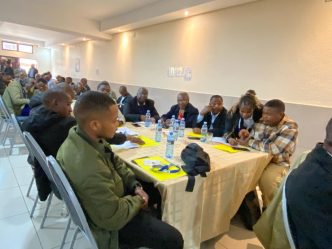
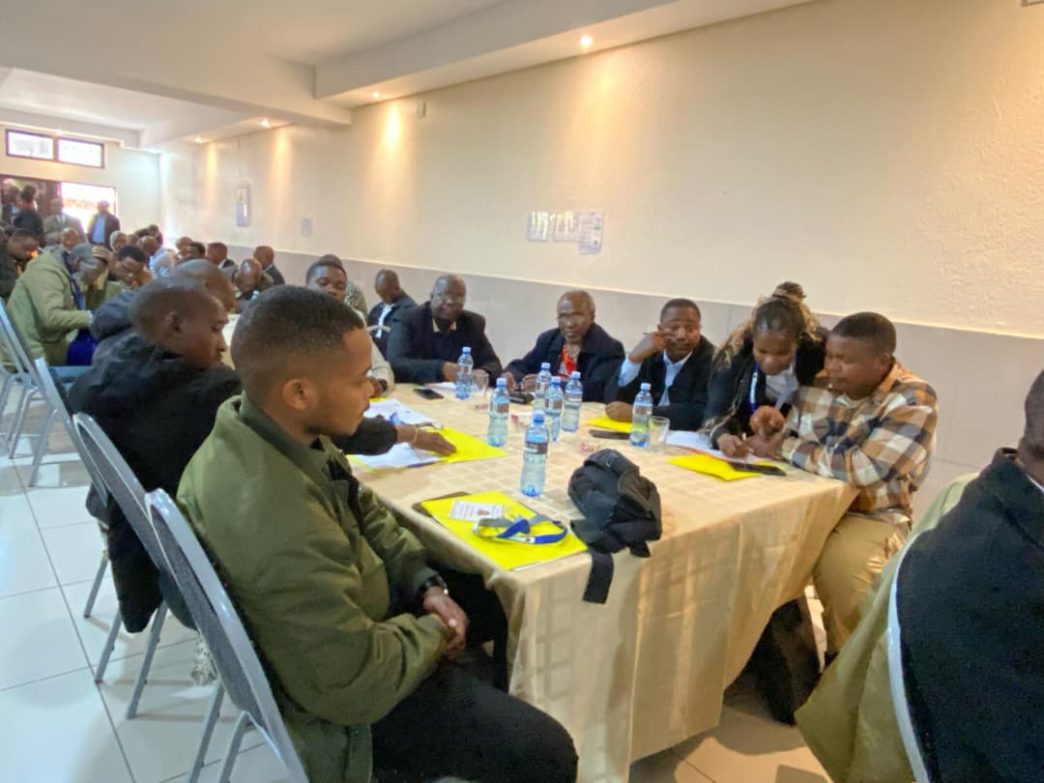
where chiefs from across the Manzini Region have gathered for intensive training on governance, ethical leadership and community development. 
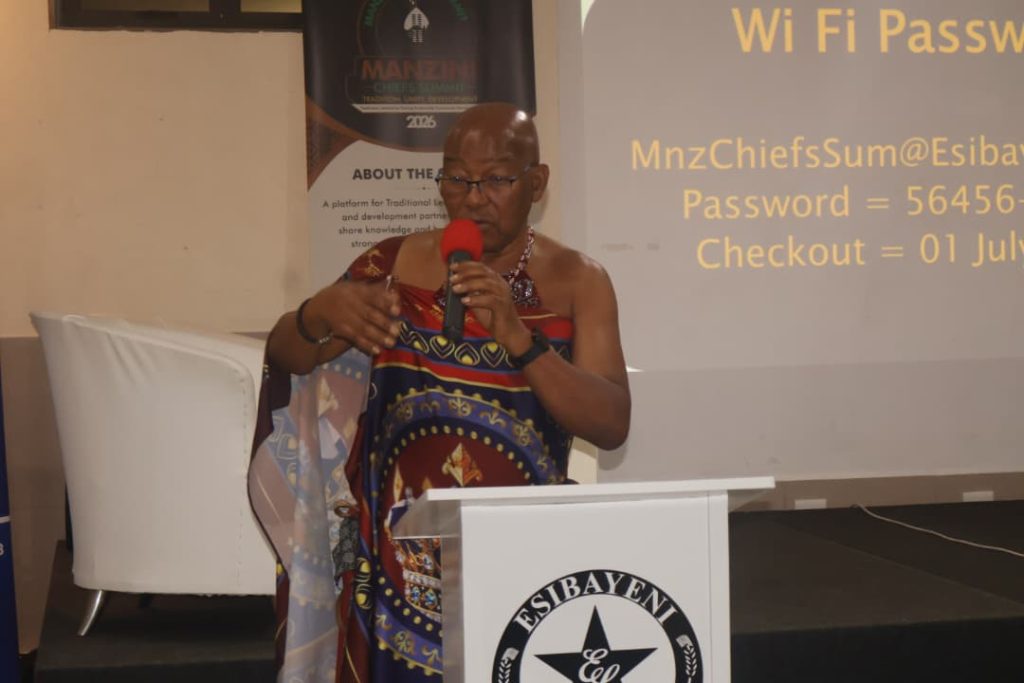
The summit, organised by the Manzini Regional Administration Office under the leadership of Regional Administrator Chief Prince Gija, seeks to strengthen traditional leadership capacity and align it more closely with national development priorities.
Opening the event, Dlamini said chiefs remain critical partners in advancing Government’s development agenda, describing them as custodians of culture and trusted leaders at the community level.
He said their role goes beyond tradition, noting that chiefs are central to maintaining peace, resolving disputes, mobilising communities and supporting the implementation of Government programmes at grassroots level.
“Development cannot be achieved in isolation. It requires the active involvement of traditional leadership if we are to make meaningful progress,” Dlamini said.
Manzini Regional Administrator Chief Prince Gija said the summit was designed to ensure traditional leaders are fully equipped to meet the demands of modern governance while remaining grounded in their cultural responsibilities.
“This summit is about strengthening our chiefs so they can effectively bridge the gap between traditional leadership and evolving governance systems, while continuing to serve their communities with integrity and purpose,” said Chief Gija.
He added that the gathering also provides a platform for chiefs to share experiences and learn from one another in addressing community challenges.
He highlighted persistent national challenges including rural development gaps, food insecurity, limited access to education and healthcare, youth unemployment and climate change,
stressing that these require coordinated action between Government, traditional leaders and communities.
Minister urged chiefs to uphold good governance, accountability and unity within their chiefdoms, saying cohesive communities are better positioned to achieve sustainable development.
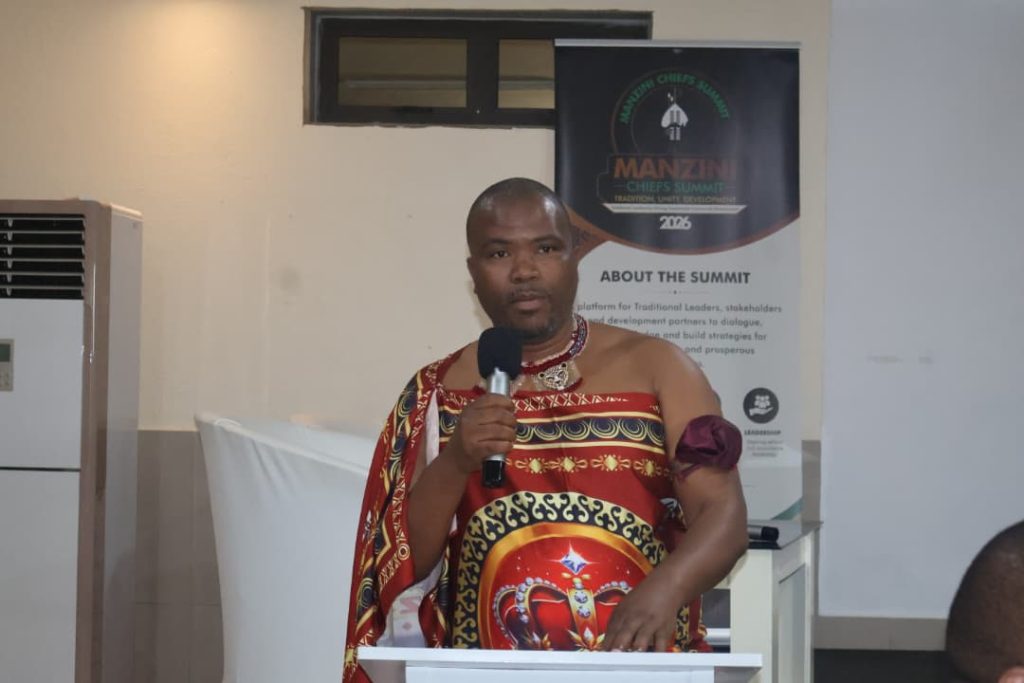
Shiselweni Regional Administrator Themba Masuku said the summit provides an important opportunity to reinforce the legal and institutional framework governing traditional leadership.
“We are ensuring that chiefs clearly understand their roles and responsibilities within the constitutional and legal framework, so that governance at the community level is strengthened and properly aligned,” said Masuku.
He led a session on the roles and responsibilities of traditional leaders, as well as the constitutional and legal framework governing traditional leadership.
Dlamini also reaffirmed the Government’s commitment to strengthening its partnership with traditional leadership, acknowledging their role in guiding communities and supporting national stability.
Following the official opening, the summit continued with governance-focused training sessions aimed at equipping chiefs with practical leadership tools.
Other presentations included the Code of Conduct for Traditional Leaders by Indvuna Lutfwacula,
Ethical Leadership and Accountability by Judge Prince Sendzangakhona and Judicial Commissioner Hhasese, and the relationship between Traditional Authorities and the Elections and Boundaries Commission (EBC) presented by Legal Advisory Muso Dlamini.