Prime Minister Russell Dlamini has called for a shift in Eswatini’s borrowing approach, from budget support to financing that drives productive investment, job creation and sustainable economic returns.
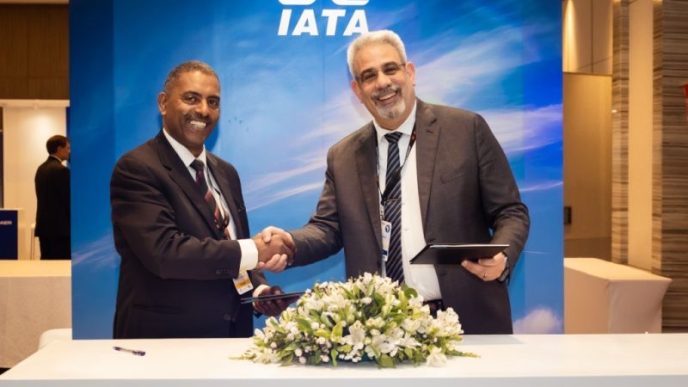
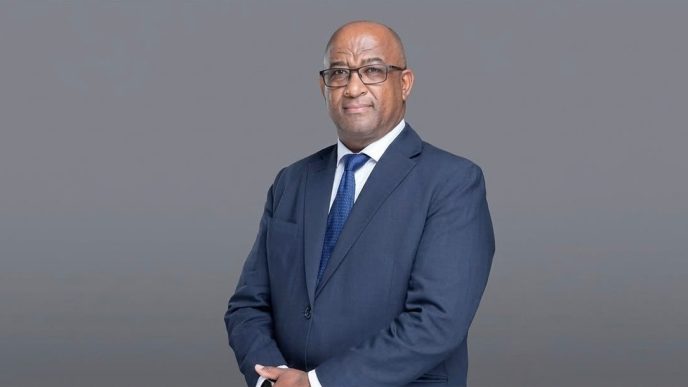
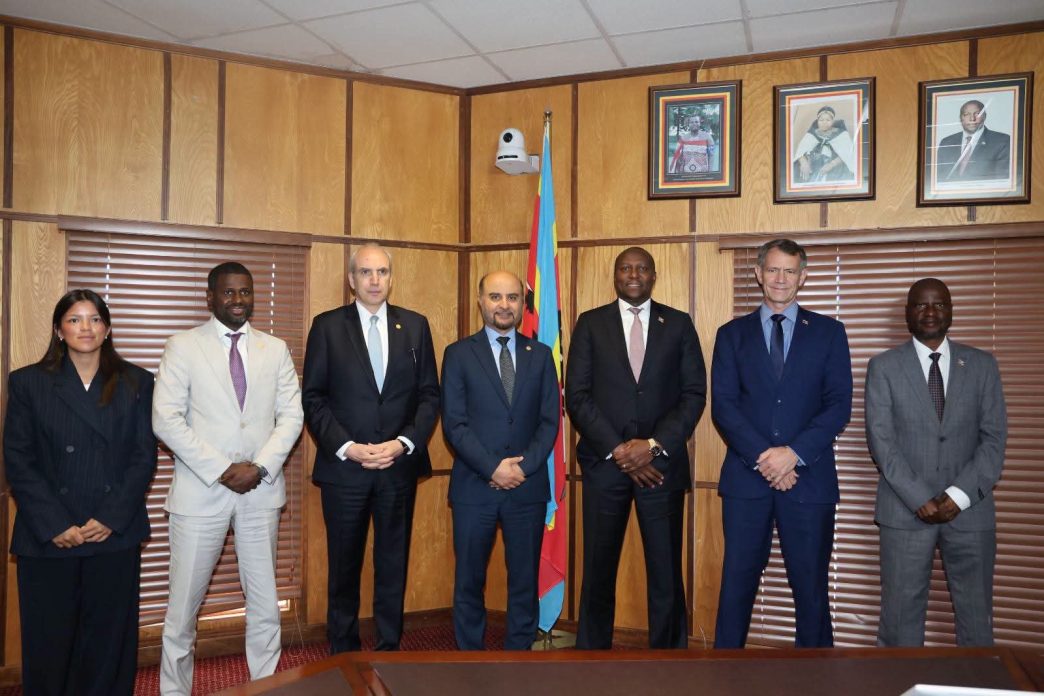
The Prime Minister made the remarks on Monday during a courtesy visit by a delegation from the OPEC Fund for International Development led by President Dr Abdulhamid Alkhalifa.
The meeting was held at the Private and Cabinet Office. Minister of Finance Neal Rijkenberg, Minister of Agriculture Mandla Tshawuka and senior government officials were also present. 
Discussions centred on the OPEC Fund’s support to the Kingdom of Eswatini since 2007.
According to the government, the support has largely comprised technical assistance and budget support.
Dr Alkhalifa said the relationship between the OPEC Fund and Eswatini remains strong.
He noted that there is an opportunity to further strengthen and broaden the partnership, with agriculture identified as a priority area for expanded cooperation.
The Prime Minister expressed appreciation for the Fund’s support toward the country’s mega projects.
The premier said the government’s vision is to transform its borrowing approach. He stated that financing should be directed toward investment rather than budget support.
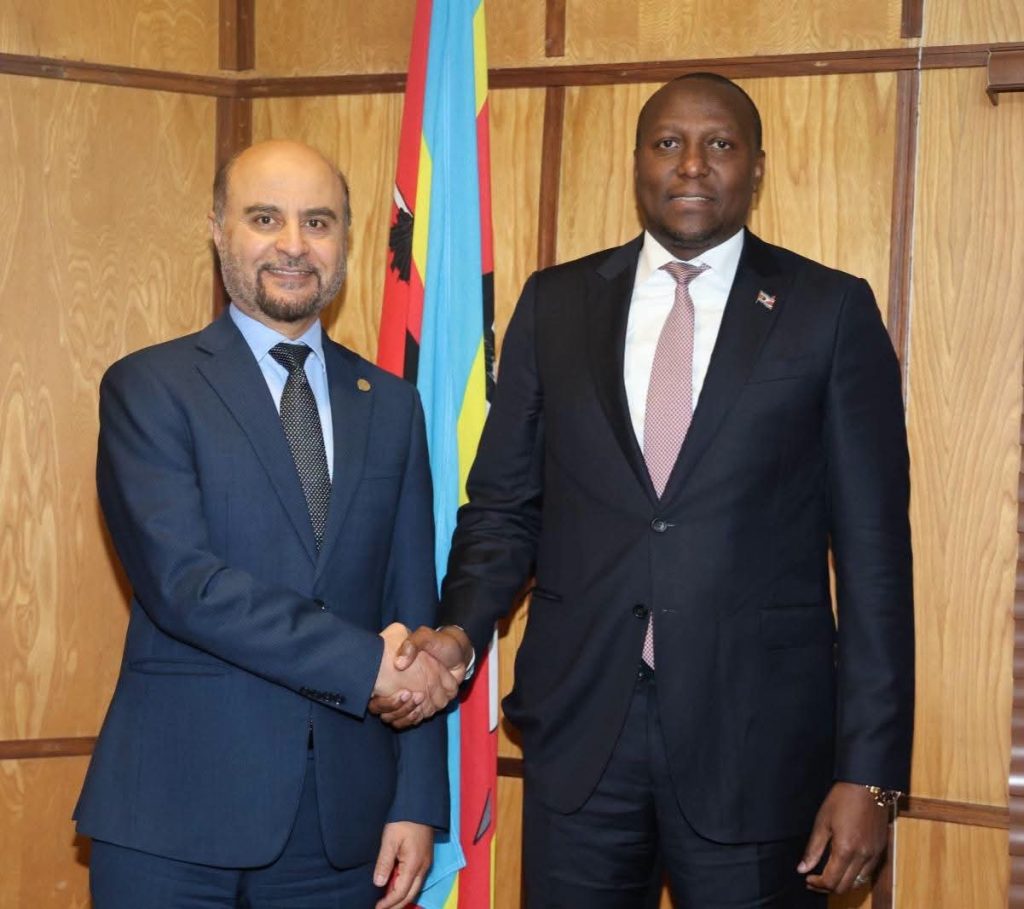
The PM emphasised the need for financing models that go beyond conventional debt instruments.
He said such models should stimulate economic activity, create employment opportunities for emaSwati and generate sustainable economic returns.
He added that where borrowing is undertaken, it should contribute directly to productive investment and to the long-term development of the local economy.
The Prime Minister also raised concerns regarding some international financing models and procurement processes.
He said current models are not sufficiently aligned with the objectives for which Eswatini undertakes borrowing.
In some instances, he noted, such models result in significant benefits accruing to foreign companies, with limited economic opportunities for local businesses and emaSwati.
In response, Dr Alkhalifa assured the Prime Minister that the OPEC Fund’s financing approach is aligned with the government’s vision of borrowing for growth and productive investment.
He further stated that the Fund’s procurement policies are flexible. According to Dr Alkhalifa, the policies are designed to protect the interests of countries in which the Fund invests, while allowing approaches that support local participation and maximise the developmental impact of financing.
Both parties identified agriculture as a key area for deeper cooperation.
The government has prioritised irrigation, water infrastructure and commercial agriculture as part of efforts to increase production and rural employment.
The OPEC Fund has previously supported water and sanitation projects linked to agriculture in the country.
The discussions explored avenues to expand support in agriculture, including potential financing for irrigation schemes and agricultural value chains.
The Prime Minister reiterated that the criteria for future borrowing will be based on the extent to which financing creates jobs, increases output, and generates revenue.
The OPEC Fund has been active in Eswatini since 2007. The institution provides financing for development projects across sectors including water, transport, agriculture and social services.
The government maintains that partnerships with development finance institutions must deliver tangible benefits to local businesses and communities.