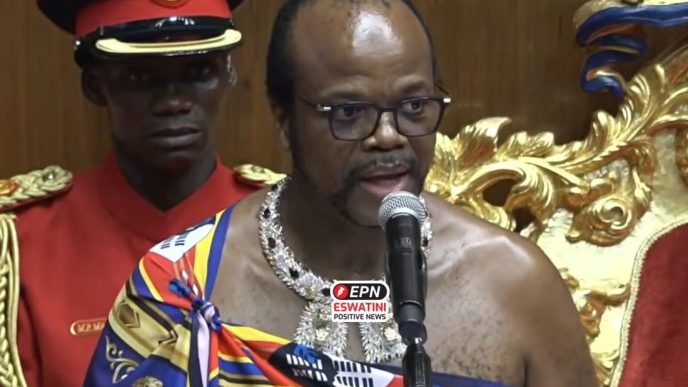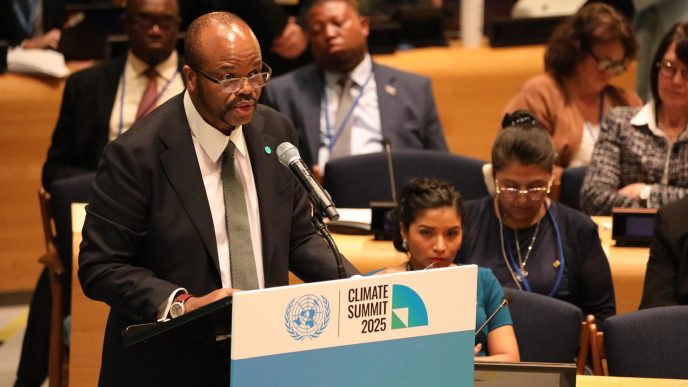
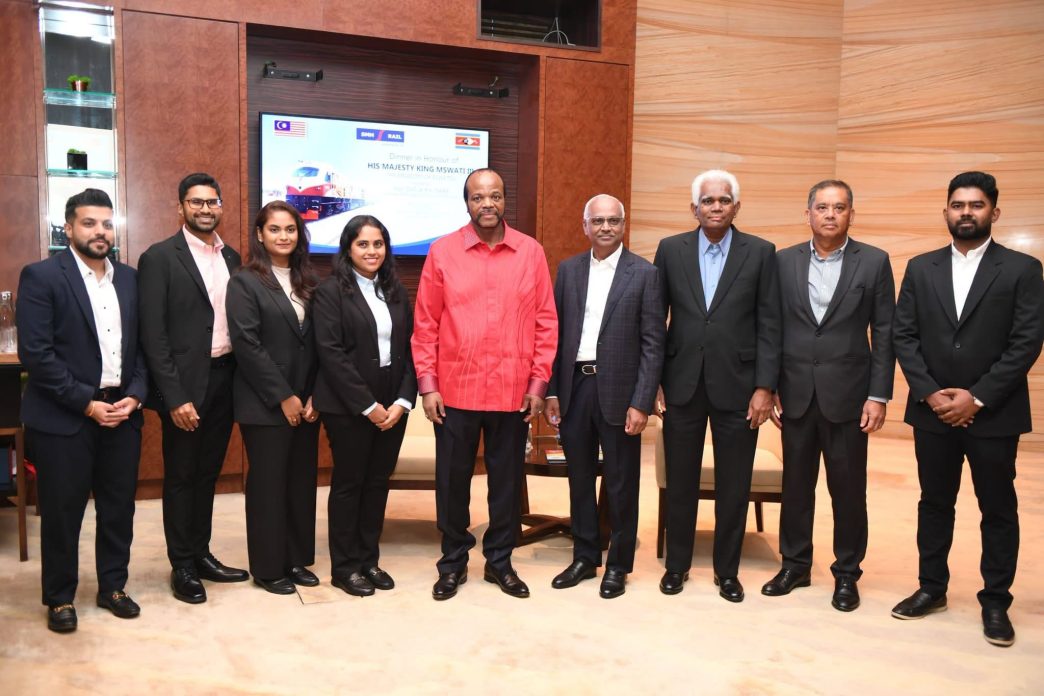
Eswatini’s economy has expanded dramatically over the past four decades, growing from approximately E1.4 billion in 1986 to E95.2 billion today, according to His Majesty King Mswati III.
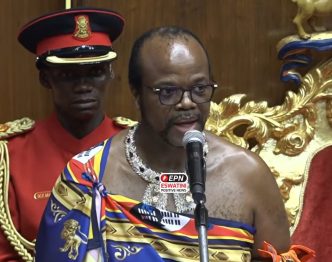
Delivering his Speech from the Throne, the King highlighted the country’s economic expansion, improved life expectancy and sustained national stability as some of the key markers of Eswatini’s transformation since he ascended to the throne in 1986.
The King attributed the country’s economic progress in part to the stability that has allowed national development programmes to take root and expand. 
“Most significantly, we have enjoyed prolonged peace and stability that has sustained our development,” he said.
The increase from E1.4 billion to E95.2 billion represents an expansion of more than 6,600 per cent in nominal GDP over the period.
The economic transformation has been accompanied by efforts to broaden the country’s productive base, improve infrastructure and attract investment.
A major component of the development agenda has been the establishment of strategic projects aimed at positioning Eswatini as a competitive economy in the region.
The King has also set an ambitious target of increasing GDP per capita from E78,238 to E480,000, equivalent to about US$30,000.
The target is intended to support the creation of higher-paying employment opportunities, strengthen the financial sector and improve living standards.
Among the major infrastructure projects associated with the country’s economic development is the King Mswati III International Airport, which has provided Eswatini with direct international air connectivity and created an additional gateway for tourism, trade and investment.
Energy access has also expanded significantly.
In 2003, only about five per cent of the population had access to electricity.
That figure increased to 75 per cent by 2017 and exceeded 86 per cent in 2024, bringing the country closer to its target of universal electricity access by 2030.
The completion of the Strategic Oil Reserve has further been identified as an important step towards strengthening national energy security by providing a buffer against disruptions in global fuel supplies.
The country has also pursued economic diversification beyond traditional exports, with manufacturing, technology, agro-processing and other sectors receiving increased attention.
The Royal Science and Technology Park and Special Economic Zones have been developed as part of efforts to attract investment and create an environment conducive to industrial development.
The textile and agro-processing industries have emerged among the areas targeted for expansion, while the government has sought to reduce administrative barriers faced by investors.
During Sibaya in 2023, the King issued the ‘Nkwe’ directive, calling for greater urgency in implementing development initiatives and reducing bureaucratic delays.
Agriculture has also remained central to the country’s economic transformation.
Through initiatives such as the Lower Usuthu Smallholder Irrigation Project, thousands of hectares of previously dry land have been brought under irrigation, allowing smallholder farmers to participate more actively in commercial agriculture.
The expansion of irrigation has enabled rural households to move beyond subsistence production and participate in commercial value chains, particularly in sugarcane and horticulture.
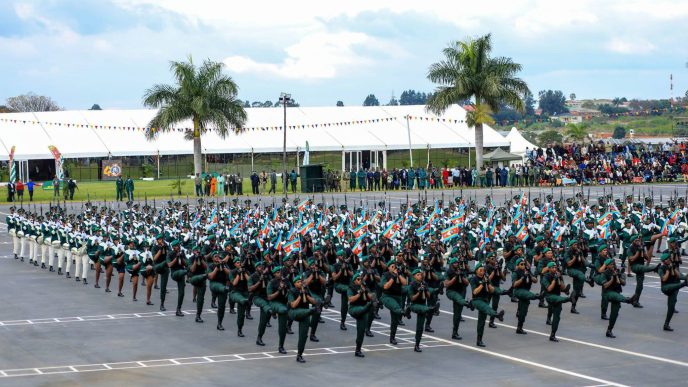
As Eswatini marks four decades of King Mswati III’s reign, the economic trajectory remains a key component of the national development narrative,
with the country now pursuing further investment, industrialisation and diversification to achieve its long-term growth ambitions.