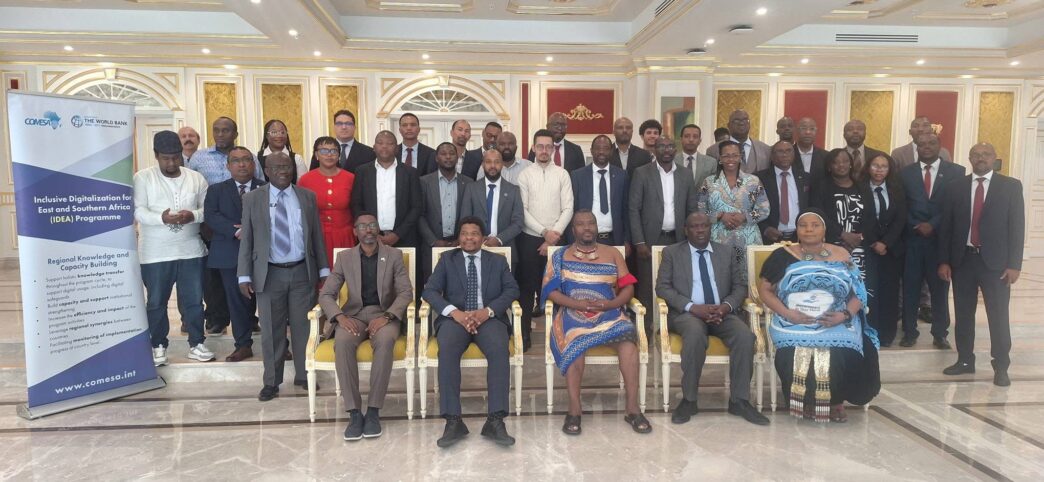
Eswatini has taken centre stage in regional discussions on artificial intelligence (AI) and emerging technologies, hosting a COMESA–World Bank workshop to shape the region’s approach to rapidly developing technology.
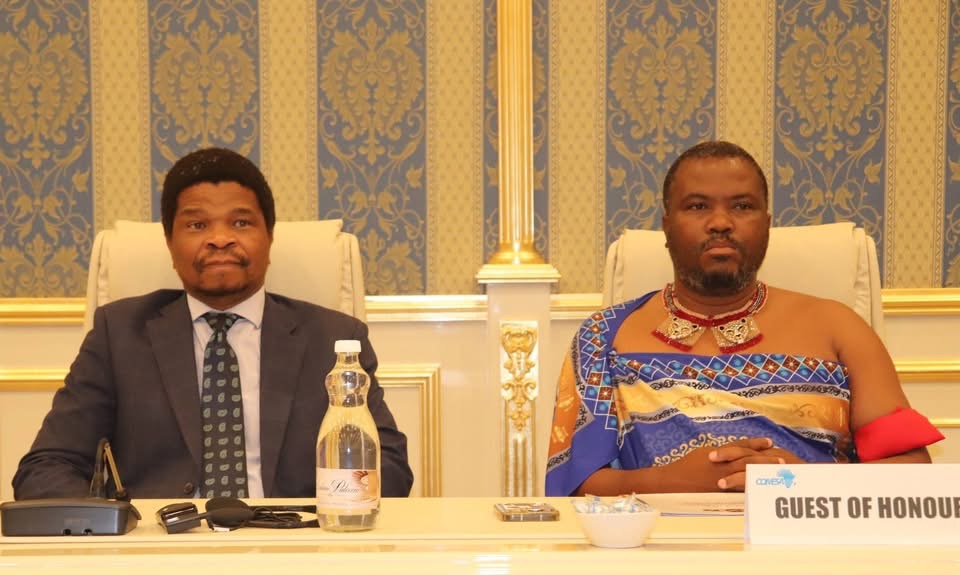
The COMESA–World Bank Regional Validation Workshop on Artificial Intelligence and Emerging Technologies was officially opened by Sikhumbuzo Dlamini, representing Minister for Information, Communications and Technology Sen.
Savannah Maziya, at the Ezulwini Palazzo International Convention Centre on September 16, 2026. 
Held under the IDEA Programme, the workshop brings together regional stakeholders to validate a draft study on artificial intelligence and emerging technologies.
The gathering is expected to provide an important platform for stakeholders to examine the draft study, share their views and contribute towards shaping the region’s digital transformation agenda.
In her keynote address, Maziya highlighted the potential of artificial intelligence to bring significant changes to various sectors, including public services, agriculture, healthcare and education.
She noted that AI could play an important role in transforming how services are delivered and supporting development across sectors.
However, the minister stressed that the adoption of AI should be inclusive and responsible.
She placed particular emphasis on the need to ensure that the region is adequately prepared to embrace the technology, identifying skills development and infrastructure as some of the key areas requiring attention.
The minister also highlighted data protection and cybersecurity as critical considerations in the adoption of AI.
As the use of digital technologies expands, she underscored the importance of ensuring that data is protected and that appropriate cybersecurity measures are in place.
Ethics and human rights were also highlighted as important components of responsible AI adoption. The workshop is consequently not only focused on the opportunities presented by AI, but also on the policy and regulatory measures that will be required to support its responsible use.
The development of a Regional AI Strategy will provide a common regional basis for discussions and planning around AI, while the Model Policy Guidelines and Model Regulatory Framework are expected to assist in establishing appropriate policy and regulatory approaches.
For Eswatini, the regional initiative comes at a time when the country is also working towards the development of its own National AI Strategy.
Maziya reaffirmed Eswatini’s commitment to regional cooperation in the development and adoption of emerging technologies.
She noted that the COMESA process would complement the country’s ongoing efforts to develop a National AI Strategy.
The alignment between the regional and national processes provides an opportunity for Eswatini to participate in broader discussions on AI while continuing to develop its own national approach to the technology.
The workshop also highlights the growing importance of cooperation among countries as governments and institutions consider how best to respond to developments in artificial intelligence.