The Ministry of Health is banking on digital systems to address long-standing challenges of medicine stock-outs, expired drugs and poor patient records management, with 250 health facilities now connected to interoperable electronic platforms.
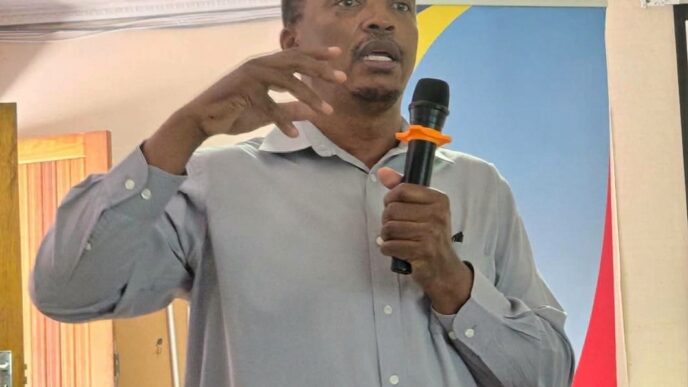
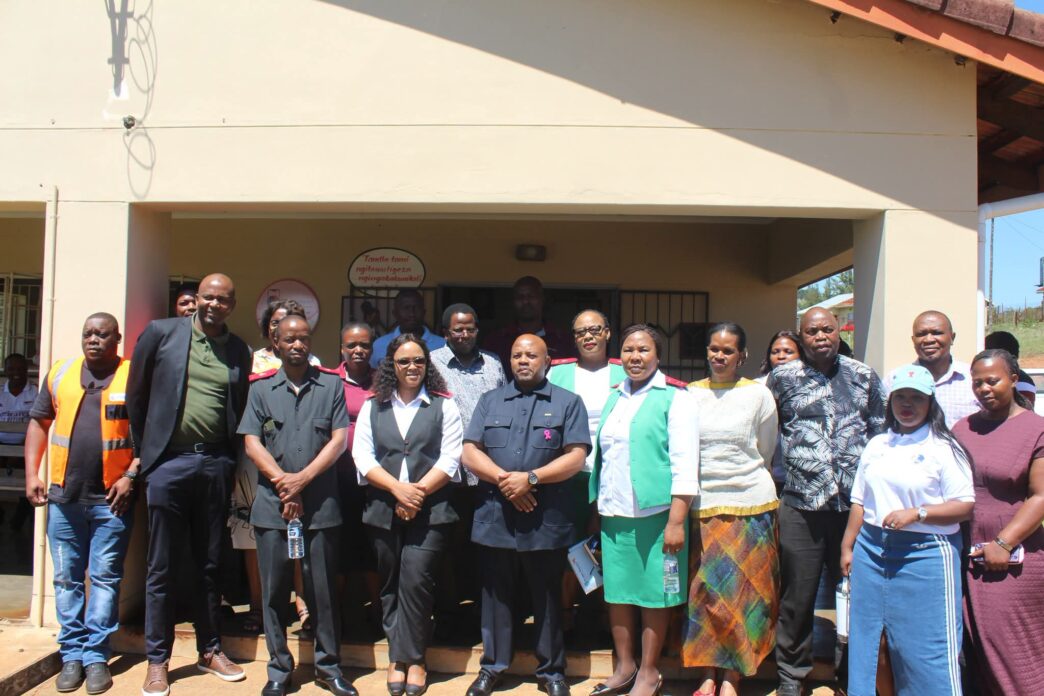
This was revealed on Friday during a high-level visit to Hhukwini Clinic by the Minister for Health, Mduduzi Matsebula, and a Member of Parliament.
The Minister was accompanied by senior management from the Ministry of Health, the Palladium Country Director and other supporting partners involved in the health digitisation project. The visit was aimed at assessing progress in digitising health systems to improve healthcare delivery, medicines management and patient information management.
According to the ministry, the Health Information Management Systems programme, HMIS Eswatini, is the technical lead for all digital systems currently in place in 250 health facilities across the Kingdom. HMIS Eswatini is a health programme within the Ministry of Health responsible for the development, deployment and maintenance of health information systems.
The Ministry said the systems are now interoperable, enabling better patient management and improved accountability in service delivery. 
The digitisation progress is supported by collaboration between the Ministry of Health, the Ministry of Home Affairs and the Ministry of Information, Communication and Technology. Under the collaboration, national identity numbers issued by the Ministry of Home Affairs are being used to uniquely identify patients, while the underlying digital infrastructure is anchored in the Ministry of ICT.
During the visit, two key systems were demonstrated to the minister. The first was the Electronic Logistics Management Information System, eLMIS, which is used to manage and monitor the logistics of medical commodities, including stock management and supply chain information. The system tracks stock levels, monitors consumption, flags medicines nearing expiry and provides early warnings for facilities at risk of stock-outs.
The ministry said eLMIS is expected to assist management to better plan for procurement of medicines, minimise stock-outs and reduce expiry of drugs, which has been a major challenge resulting in wastage and shortages.
The second system demonstrated was the Client Management Information System, CMIS, which is used to manage client information and support the recording and retrieval of patient records for healthcare service delivery. The system allows health workers to register patients, capture clinical notes and retrieve medical history electronically.
Together, the two systems link clinical care with medicine management. When a patient is registered and treated on CMIS, the medicines dispensed are automatically accounted for on eLMIS, creating a clear audit trail.
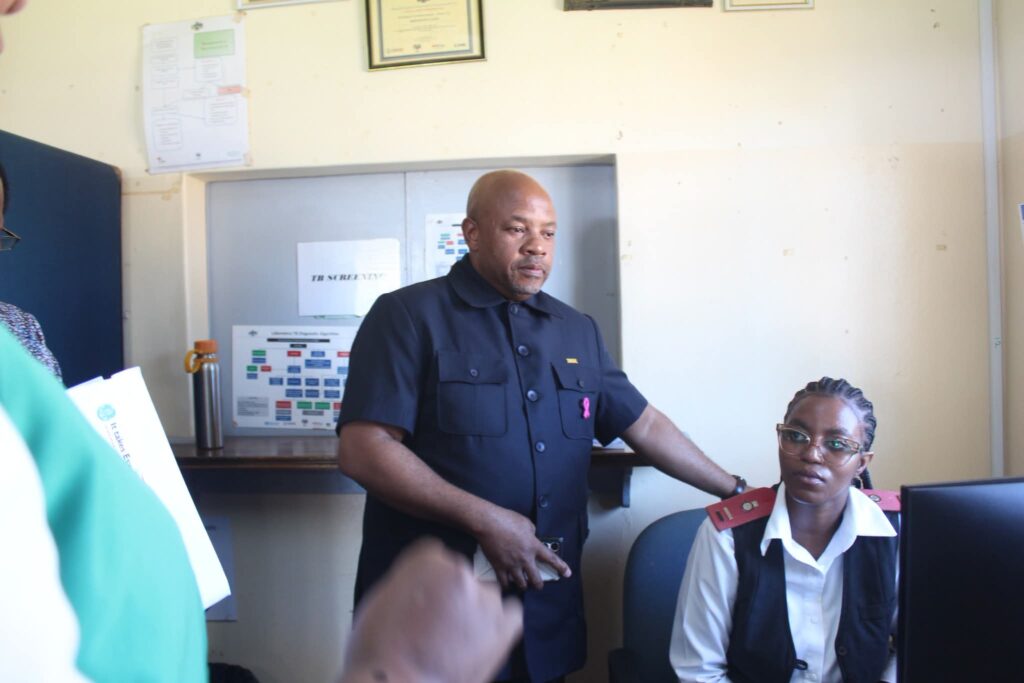
Minister Matsebula was briefed on how the systems are applied in daily clinic operations at Hhukwini and how they have improved efficiency at facility level.
The ministry said the visit provided an opportunity for the minister to observe how digital technologies are being implemented to strengthen health information management, improve management of medicines and medical supplies and support delivery of healthcare services.
The implementation of eLMIS and CMIS in 250 facilities is part of broader efforts to strengthen the health system through data-driven decision-making. With interoperable systems, the Ministry can now monitor stock status and patient information across facilities in real time, allowing for redistribution of medicines from facilities with excess stock to those with shortages.
The use of national identity numbers to identify patients is also expected to eliminate duplicate records and ensure continuity of care as patients move between facilities.
Palladium, as a supporting partner, is providing technical support for the rollout of the digital health systems.
The ministry said the visit to Hhukwini Clinic highlighted ongoing work in digitising health systems and the application of electronic platforms in daily operations.
“The demonstrated systems form part of efforts to strengthen efficiency, accountability and the quality of healthcare service delivery,” the ministry stated.