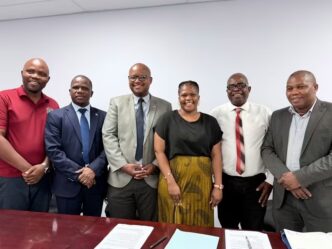
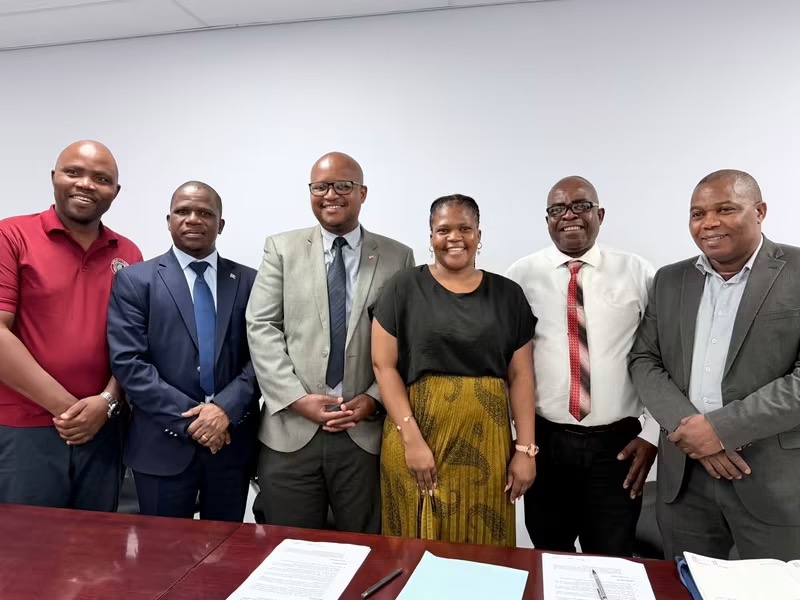
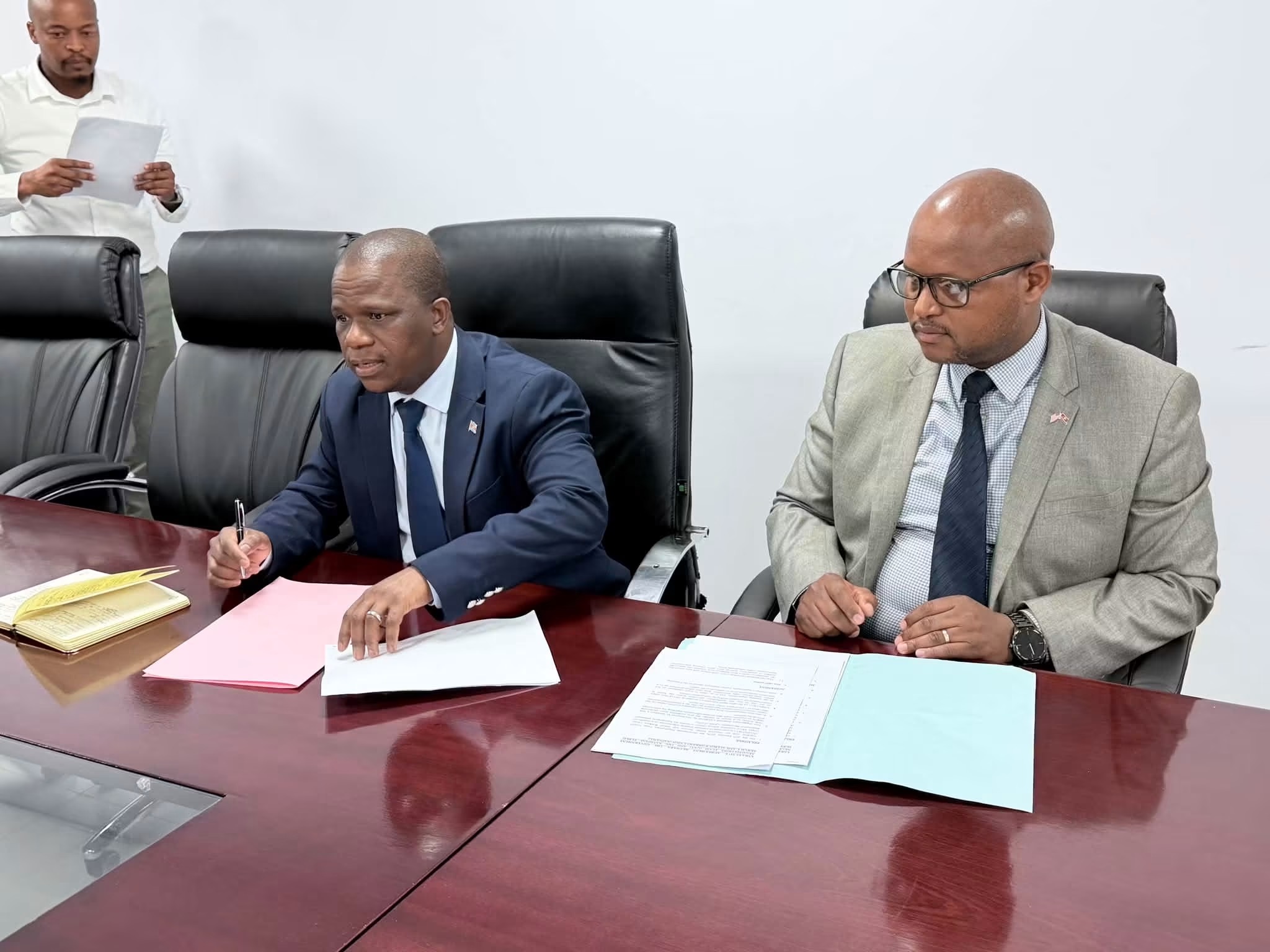
The Government Negotiations Team (GNT) and the National Public Service and Allied Workers Union (NAPSAWU) have signed a collective agreement introducing a 25% shift allowance for Immigration officers deployed at the Kingdom of Eswatini’s ports of entry.
The agreement, which also introduces a revised shift system, follows bilateral negotiations between the two parties that began last year, with discussions focusing on overtime compensation, operational efficiency and working arrangements for Immigration personnel stationed at the country’s border posts. According to the agreement, the revised shift system will take effect on November 1, 2026, while the Immigration Shift Allowance will be backdated to April 1, 2026.
The negotiations were prompted by the Government’s proposal to introduce a more sustainable working arrangement to manage rising overtime expenditure while improving operational efficiency and ensuring more balanced working schedules for Immigration officers. During the negotiations, the Government initially proposed a standardised allowance equivalent to 15% of basic salary, while NAPSAWU pushed for 30%.
The parties eventually reached a compromise, agreeing on a standardised Immigration Shift Allowance of 25% of basic salary for eligible officers. Under the agreement, the allowance will compensate officers for extended working hours, including duties performed during the day, at night, over weekends and on public holidays, replacing conventional overtime payments
The revised shift system will be supported by new duty rosters intended to reduce consecutive working days and keep overtime hours within manageable limits. The agreement further stipulates that the allowance will apply exclusively to Immigration personnel deployed at the country’s ports of entry.
Officers transferred to workstations where overtime work is not applicable will no longer qualify for the allowance. Meanwhile, Head Office personnel temporarily deployed to support border operations during peak periods, national holidays, or major national events must obtain separate overtime authorisation from the Ministry of Public Service, in line with applicable regulations.
The agreement binds both parties and will be registered with the Industrial Court in accordance with the Industrial Relations Act No. 1 of 2000, as amended. It also provides that disputes that cannot be resolved through bilateral engagements shall be referred to the Conciliation, Mediation and Arbitration Commission (CMAC) for resolution.