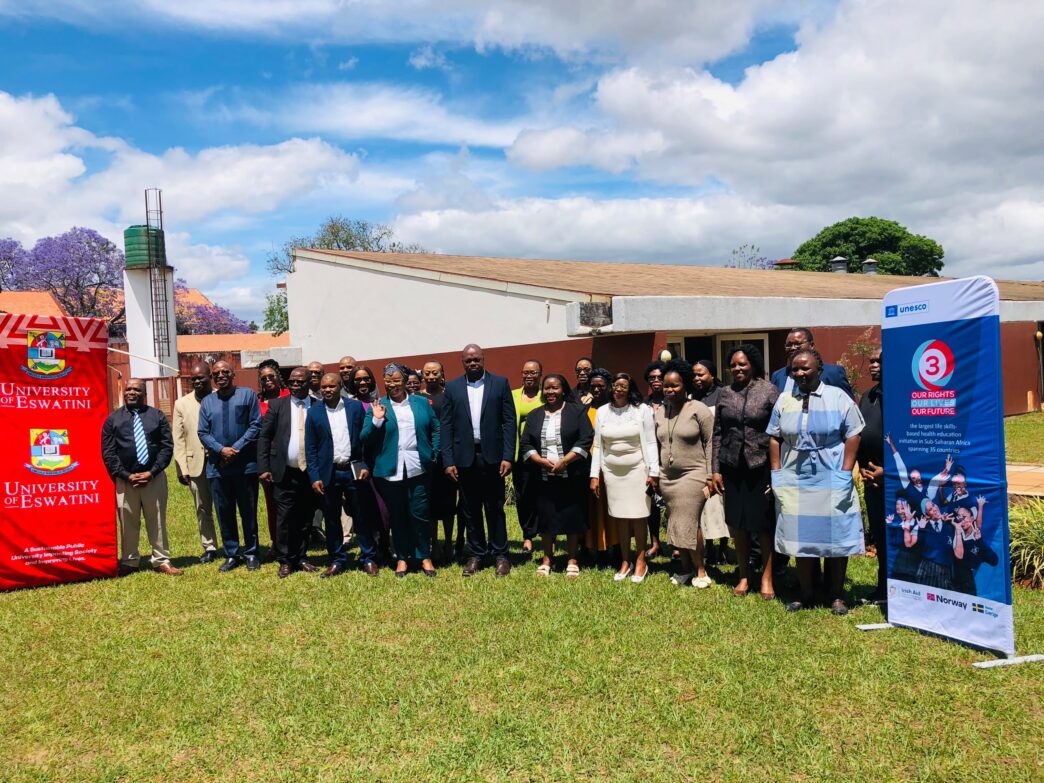
The University of Eswatini (UNESWA) and UNESCO have launched a life skills education project targeting 4 000 teachers to strengthen their ability to support learners’ well-being, promote gender equality and create safer, more inclusive learning environments.
The project was officially launched at UNESWA’s Kwaluseni Campus yesterday under UNESCO’s Our Rights, Our Lives, Our Future (O3) Programme, implemented across 33 countries in sub-Saharan Africa. The initiative seeks to institutionalise life skills education within teacher training programmes, ensuring that educators are equipped to address challenges affecting young people beyond academic performance.
The programme targets 1 000 pre-service teachers and 3 000 in-service teachers. It will also reach 36 teacher educators from four teacher training institutions, 12 civil society representatives, 20 regional guidance officers and 32 school health officers.
Delivering the Vice-Chancellor’s address, Dean of the Faculty of Science and Engineering Dr D.G. Vilakati said the initiative marked an important milestone in strengthening teacher education and promoting young people’s well-being in Eswatini.
He said education needed to extend beyond academic achievement because young people faced challenges relating to health, personal safety, relationships, peer pressure, gender equality and violence.
Vilakati said learners needed critical thinking, communication, empathy and problem-solving skills to make informed decisions and respond constructively to challenges in their daily lives.
“These competencies are fundamental to responsible citizenship, productive communities and a resilient nation,” he said.
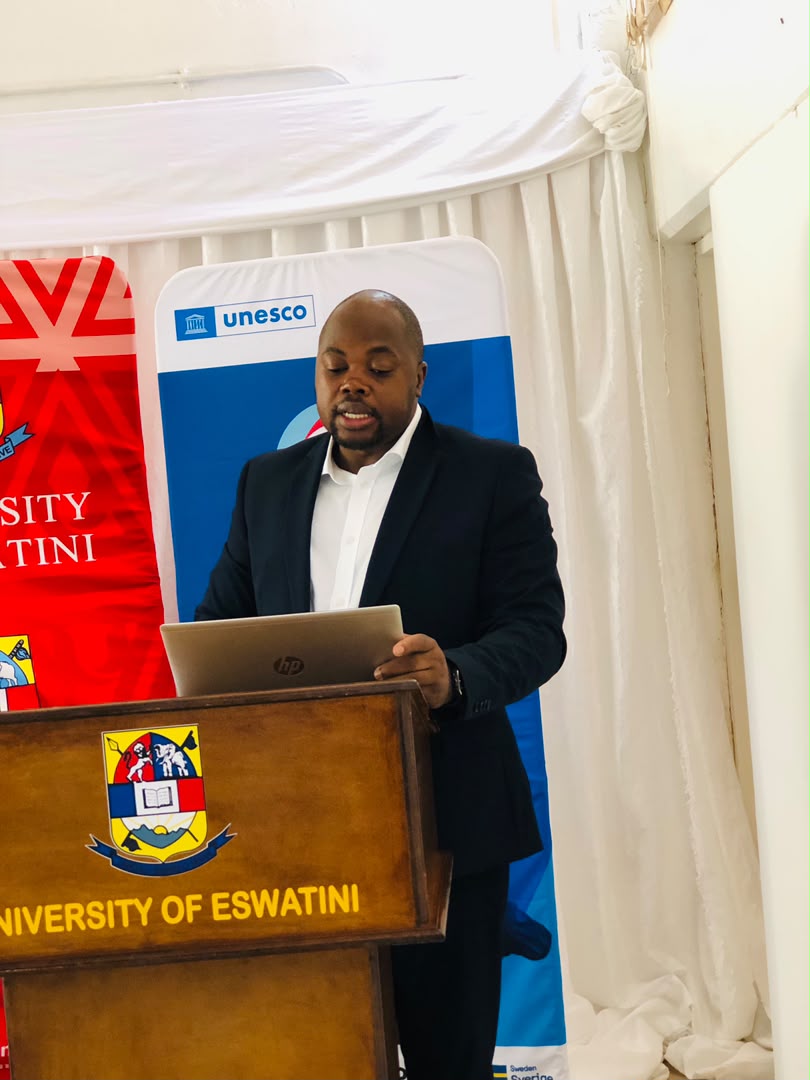
He emphasised that teachers played a central role in shaping learners’ attitudes and behaviour. They could also be among the first people outside a learner’s family to recognise emotional distress, identify vulnerability or encourage a young person to seek appropriate support.
However, he said educators needed relevant knowledge, professional values, teaching skills and support systems to respond effectively to learners’ needs.
The partnership provides an opportunity to strengthen teacher preparation and professional development while encouraging collaboration between UNESWA, government, teacher training institutions and civil society organisations.
UNESCO National Project Officer in Eswatini Mandisa Zwane-Machakata said the project represented a strategic investment in the future of the country’s learners and educators.
She said UNESCO had implemented the O3 Programme across sub-Saharan Africa since 2018 to ensure that adolescents and young people accessed quality life skills education that supported their rights, health, well-being and development.
Zwane-Machakata said the initiative would move life skills education beyond short-term interventions by embedding it in teacher education systems.
Under the partnership, UNESWA will serve as a national centre of excellence for life skills education, leading the development and integration of a dedicated course into teacher education curricula. The university will also strengthen lecturers’ capacity and support the rollout of UNESCO’s Comprehensive Sexuality Education Online Course.
The project will address gender equality, the prevention of school-related gender-based violence, early and unintended pregnancies, child protection and disability inclusion.
Zwane-Machakata said these areas were important in creating schools where learners felt safe, respected and supported, regardless of their backgrounds or personal circumstances. She added that cooperation between universities, government institutions, teacher training colleges, civil society organisations and communities would be essential to achieving sustainable results.
Vilakati said the project’s long-term success would depend on how effectively life skills education was incorporated into academic programmes and professional teaching practices.
He said institutionalisation required appropriate academic structures, teaching resources, quality assurance and regular evaluation to ensure that the initiative continued benefiting educators and learners beyond its formal implementation period.
He also commended the Faculty of Education, particularly the Department of Educational Foundations and Management, working with the Centre for Excellence in Learning and Teaching, for coordinating the initiative.
Vilakati said the project should ultimately produce teachers who were better prepared to support learners and schools that promoted respect, inclusion and equal opportunities.
He noted that investment in teacher education could influence generations of learners throughout a teacher’s career, making it an important contribution to the country’s future.