Eswatini is strengthening disease surveillance at its border gates, health facilities and communities as authorities step up preparedness for Ebola and other emerging infectious diseases.
The Ministry of Health says the country is reinforcing early-warning systems and equipping frontline health workers to detect, report and respond to suspected outbreaks before they spread.
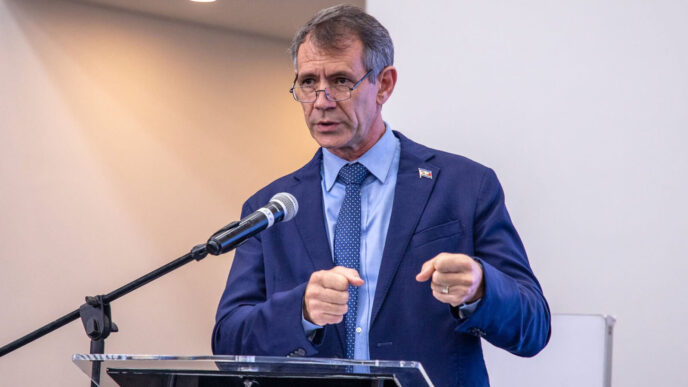
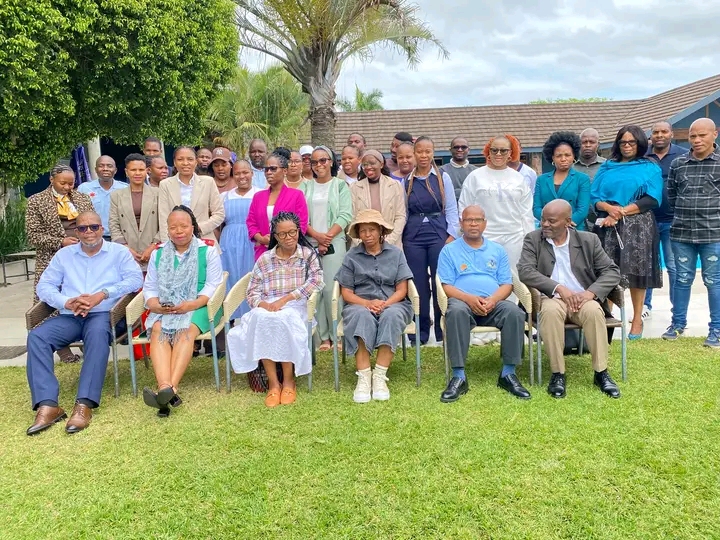
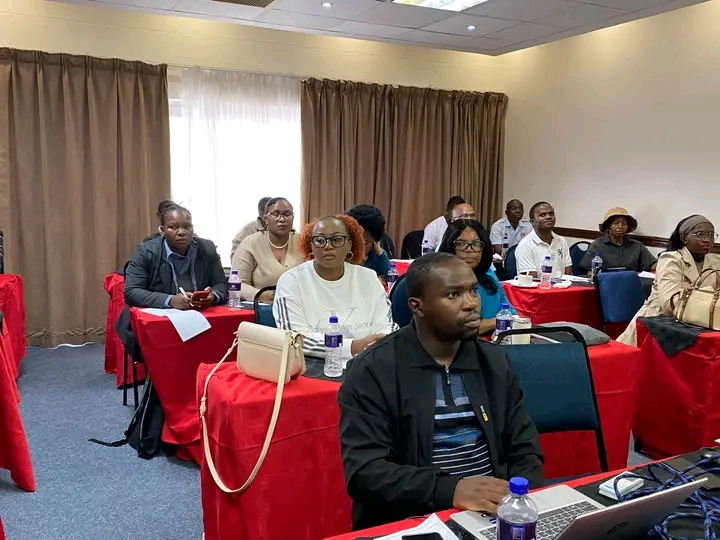
The preparedness drive was outlined by Nkosinathi Dlamini of the Epidemiology and Disease Control Unit (EDCU) during a workshop organised by the Ministry of Health in collaboration with the National Disaster Management and Recovery Agency (NDMRA) at The George Hotel in Manzini.
Dlamini said Eswatini relies on the Integrated Disease Surveillance and Response (IDSR) strategy, which enables health authorities to detect, notify and respond to potential public health threats.
“We are still trying to prepare ourselves so that when Ebola comes into the country, we are able to respond,” he said.
He explained that surveillance operates through two complementary systems: Indicator-Based Surveillance (IBS), which collects routine health information from facilities, communities and points of entry, and Event-Based Surveillance (EBS), which captures unusual events that could signal an emerging health threat. 
The systems allow health authorities to gather, assess and investigate information from different sources, ensuring that suspected outbreaks receive timely attention.
Dlamini said the country’s preparedness was also guided by the International Health Regulations (IHR), which require countries to develop the capacity to detect, assess, report and respond to public health risks. Previous emergencies, including the 2009 H1N1 influenza pandemic, Ebola outbreaks and COVID-19, demonstrated the importance of preparedness before diseases cross borders.
He also cautioned communities about Ebola Virus Disease, which has an incubation period of between two and 21 days. Symptoms include fever, fatigue, severe headache, muscle pain, sore throat, vomiting and diarrhoea, with severe cases sometimes involving unexplained bleeding.
The virus spreads through direct contact with the blood and bodily fluids of infected people, contaminated materials and infected animals. Healthcare workers and caregivers face particular risks without proper protective measures.
Meanwhile, the Ministry’s Principal Environmental Health Officer, Mandla Bhembe, said the country was on alert and working to ensure frontline personnel understood their responsibilities.
“We are on alert mode, and are bringing together all the information to ensure that our workers are up to speed,” he said.
Bhembe said the workshop brought together health workers, border personnel and emergency preparedness officers.