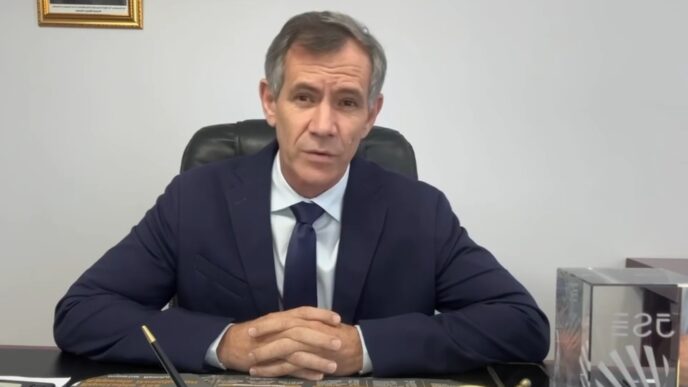
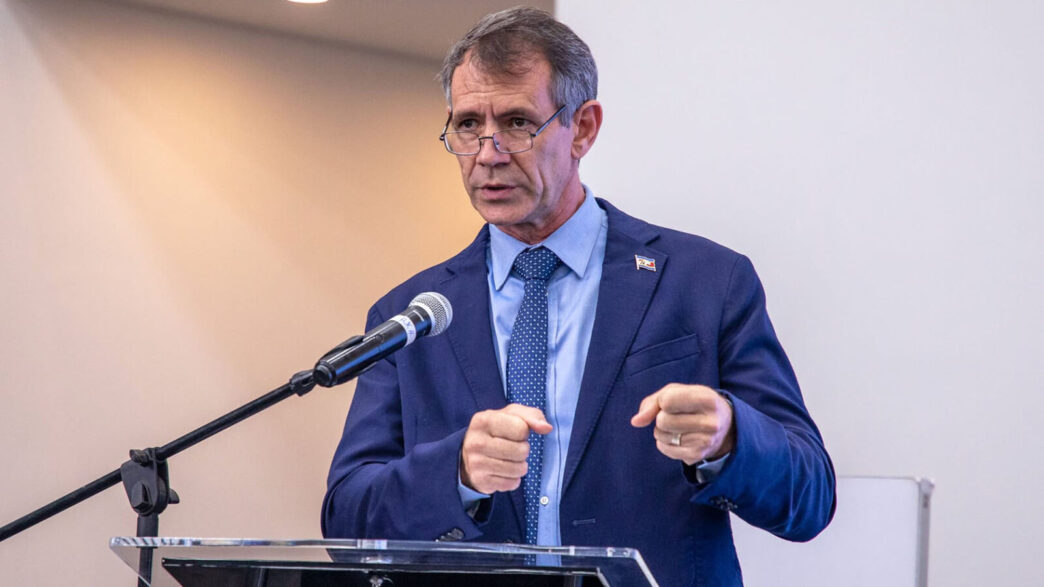
Minister for Finance Neal Rijkenberg has said declining housing costs and prices of some other goods and services have helped keep inflation at around 3 per cent, offering some relief to businesses and consumers amid mounting economic pressures.
Sharing this during his latest Finance in Focus update, Rijkenberg said although households and businesses continue to face rising costs, not all economic indicators are pointing in the wrong direction.
He advised small businesses to work towards increasing their revenues by at least the inflation rate to maintain their purchasing power and remain sustainable.
“There are a few things that have come down keeping inflation around 3 per cent and meaning that if one has got a small business one does need to try and increase with about 3 per cent or at least try and increase one’s revenue with that to be able to compensate for the inflation,” he said.
The Minister also noted that employed emaSwati could benefit from salary reviews and increases over time, although these adjustments do not always come at the same time or match the actual rise in living costs.
“At the same time if one’s got a job hopefully one does get salary reviews and salary increases at some point to compensate. It never goes exactly in time or exactly the amounts but one hopes that over time that one does be able to get that relief,” he added.
However, Rijkenberg said the greatest concern remained people without employment, as they have no regular income or salary adjustments to help them absorb the rising cost of living.
“Obviously the real pain is people that are unemployed that have no method to be able to counter these costs and that’s what we need to try and work on as a country. In fact we’re working on it extremely aggressively,” he said.
…. Warns of El Niño, urges farmers to mulch

Meanwhile, the Minister has warned that the country must prepare for drought conditions associated with El Niño, urging households and farmers to adopt practical water conservation measures ahead of the anticipated dry season.
Rijkenberg said the El Niño threat was becoming increasingly real, cautioning that dry heat associated with drought conditions could have a more damaging effect on crops and vegetation than the humid heat emaSwati are accustomed to during normal summer seasons.
He explained that while humid conditions help retain moisture, dry heat accelerates the loss of moisture from the soil, leaving crops and plants vulnerable to drying out.
“What we’re used to in the summer is actually kind of humid heat but when there’s a drought it’s dry heat and it just dries out plants, it dries out crops, it dries everything out so much quicker rather than humid heat,” he explained.
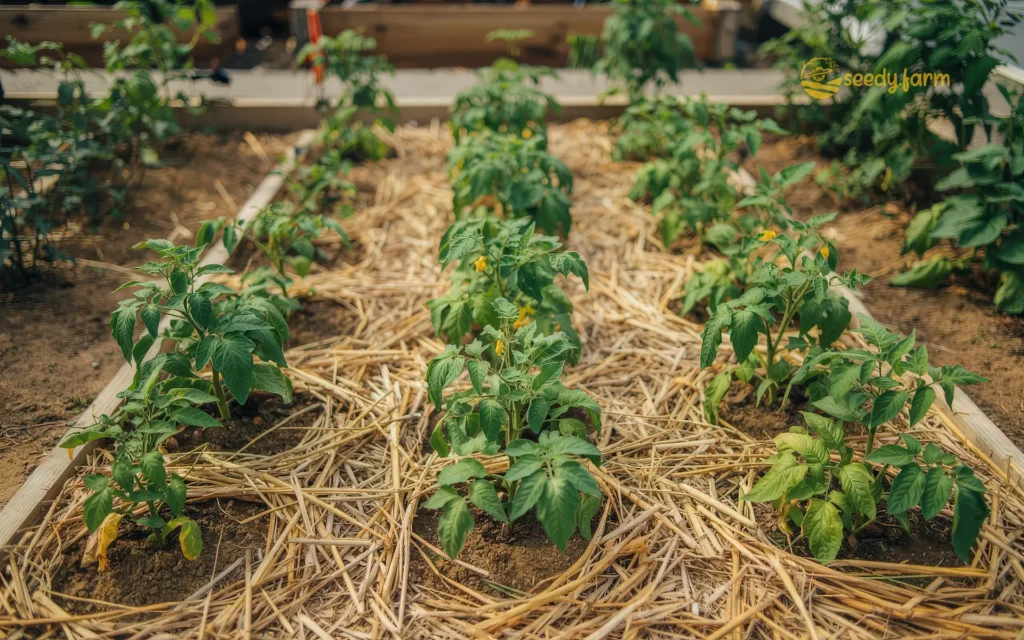
As part of his advice, Rijkenberg encouraged households with backyard gardens and farmers to use mulch, particularly cut grass, to cover the soil and prevent moisture from evaporating quickly.
He said this simple practice could help retain moisture in vegetable gardens and agricultural fields, particularly as water becomes increasingly scarce.
“If you have a bed in your garden or farm, I highly recommend cut grass, put a grass layer on top of your bed so whatever moisture is in the soil can actually remain in the soil. That mulch layer does help to keep the moisture in the soil,” he advised.
He further encouraged households to reuse dishwater and other wastewater where possible, while exercising restraint in their general water consumption, including the use of water for swimming pools.
Beyond the practical measures, Rijkenberg called on emaSwati to support one another, particularly vulnerable households that may struggle to cope with the effects of drought.
He said although drought was an external challenge that could not be attributed to any individual or institution, communities had a responsibility to do everything possible to reduce its impact.
“It is a time to consider doing like this when we have these external factors that people can just do nothing about,” he said.
“Often we bring things upon ourselves and we do things which get us into trouble, but something like a drought, it’s an impact which unfortunately we can’t blame anybody for, but we do need to do what we can to try to counter it personally as well as look around and help others where we can.”