…Things Every Motorist Should Check
Heavy rainfall can turn an ordinary journey into a dangerous and expensive experience. Slippery roads, poor visibility, potholes hidden beneath water and flooded routes are some of the challenges motorists face during the rainy season. For drivers in Eswatini, preparing a vehicle for wet weather is not simply about convenience; it is an important step towards protecting lives, avoiding unexpected breakdowns and managing motoring expenses.
While many motorists only think about vehicle maintenance when something goes wrong, taking a few preventative measures can help avoid costly repairs and unnecessary inconvenience.
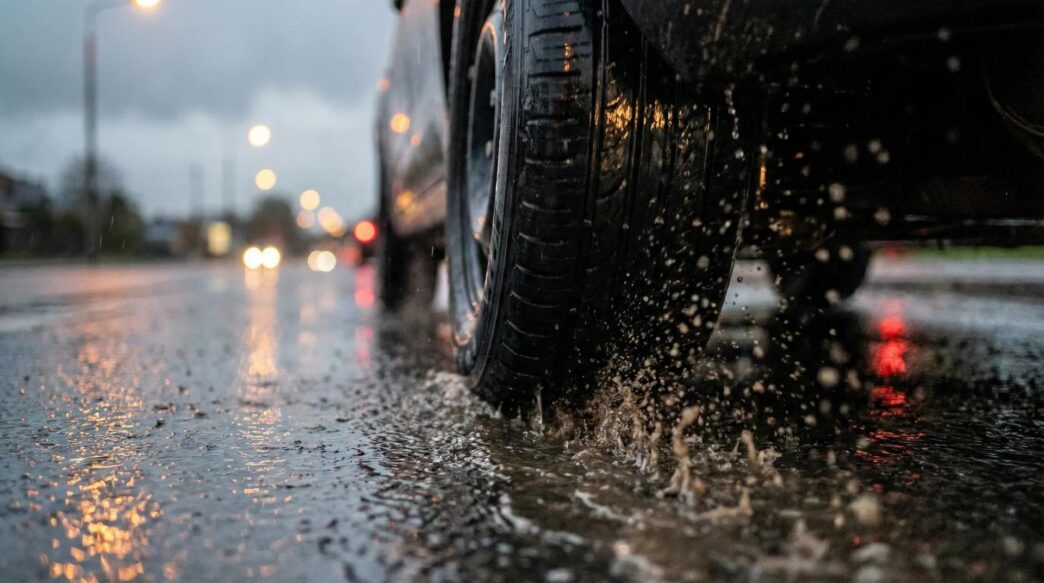
One of the first things to check is the condition of your tyres. Tyres provide the grip needed to keep a vehicle stable, particularly when roads are wet. Worn-out tyres increase the risk of skidding and aquaplaning, which occurs when water builds up between the tyres and road surface, causing the vehicle to lose grip. Motorists should inspect their tyre tread, check for cracks or damage and ensure that tyre pressure meets the manufacturer’s recommendations. The spare tyre should also be checked in case of an emergency.
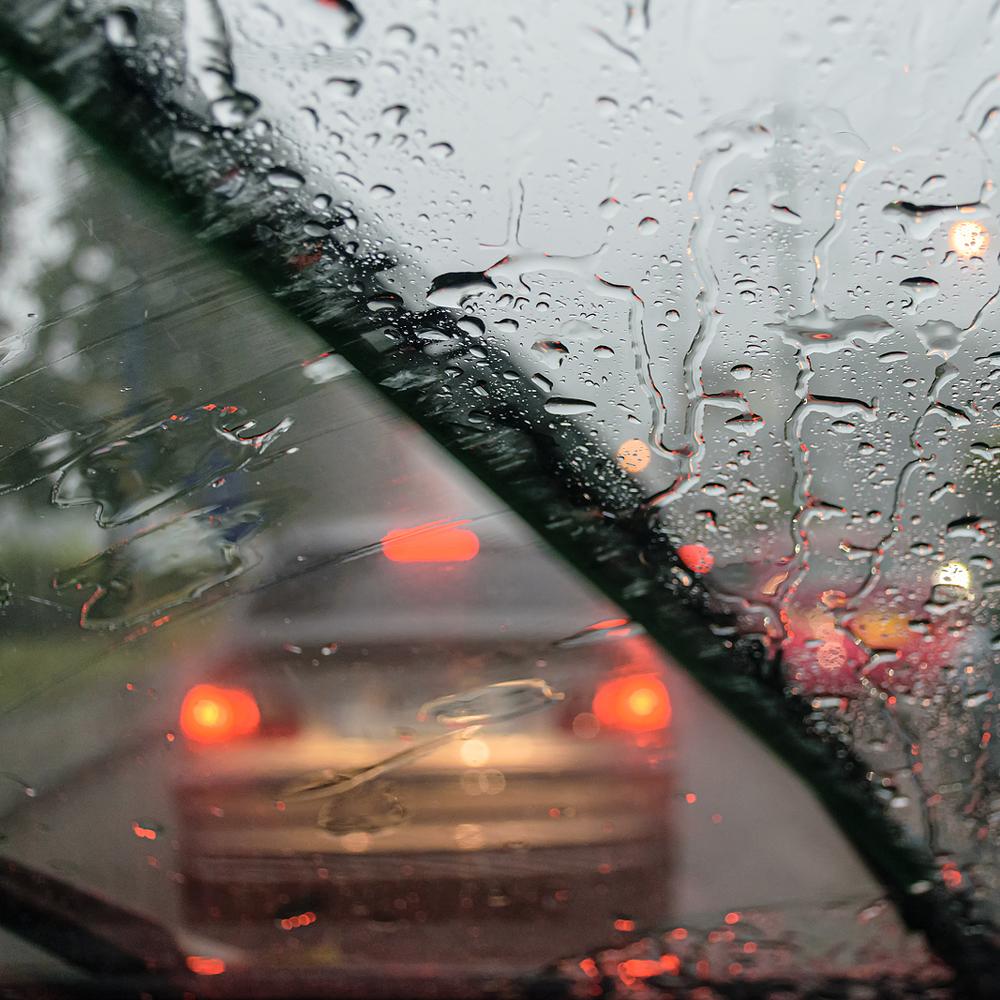
Windscreen wipers are another important component that should not be overlooked. During heavy rainfall, damaged or worn-out wipers can make it difficult to see the road clearly. Drivers should check whether the blades clean the windscreen effectively and replace them if they leave streaks or fail to remove water properly. Ensuring that the windscreen washer contains enough cleaning fluid can also improve visibility.
Brakes should receive particular attention before the rainy season. Wet roads increase stopping distances, making it important for motorists to have their braking systems inspected. Unusual noises, vibrations or changes in how the brake pedal feels could indicate a problem. Having brake pads, discs and brake fluid checked by a qualified mechanic can help identify potential faults before they become serious and expensive.
Visibility is equally important. Headlights, brake lights, hazard lights and indicators should all be working correctly. Rain, mist and cloudy conditions can make it difficult for drivers to see other vehicles and for pedestrians to notice approaching traffic. Using dipped headlights when visibility is poor helps other road users identify your vehicle.
Perhaps one of the most important rainy-season precautions is avoiding flooded roads. Water covering a road can hide potholes, damaged surfaces and other hazards. Motorists should never assume that a flooded route is safe simply because another vehicle has managed to cross it. Moving water can also sweep vehicles away, even when the water does not appear particularly deep. Finding an alternative route is always safer than taking unnecessary risks.
Drivers should also adjust their driving habits when conditions deteriorate. Maintaining a greater following distance gives motorists more time to react when the vehicle ahead suddenly brakes. Sudden acceleration, sharp turns and harsh braking should be avoided because wet surfaces reduce tyre grip. Travelling at a reduced speed is particularly important on unfamiliar roads and routes with poor drainage.
Another area worth checking is the vehicle’s battery and electrical system. Moisture can expose existing electrical weaknesses, while a failing battery may leave motorists stranded at an inconvenient time. Battery terminals should be clean and secure, and older batteries should be tested by a qualified technician. If a vehicle has been exposed to significant flooding, drivers should avoid starting the engine until it has been professionally inspected, as doing so could cause serious mechanical damage.
Ultimately, preparing a vehicle for heavy rainfall is an investment in safety and financial protection. Although replacing tyres, servicing brakes, or checking electrical components may involve an upfront cost, preventative maintenance can help motorists avoid much larger expenses later. As the rainy season approaches, taking time to inspect your vehicle and adjusting your driving habits could make the difference between a safe journey and an expensive roadside emergency.