The United Nations has challenged Eswatini to urgently translate its youthful population into a productive workforce through strategic investments in job creation, skills development, entrepreneurship and rural economic opportunities, warning that the country’s demographic transition could become a development deficit if not properly managed.
UN Resident Coordinator George Wachira said the country needed to move beyond understanding population statistics and focus on creating economic opportunities that would enable emaSwati, particularly young people, to contribute meaningfully to national development.
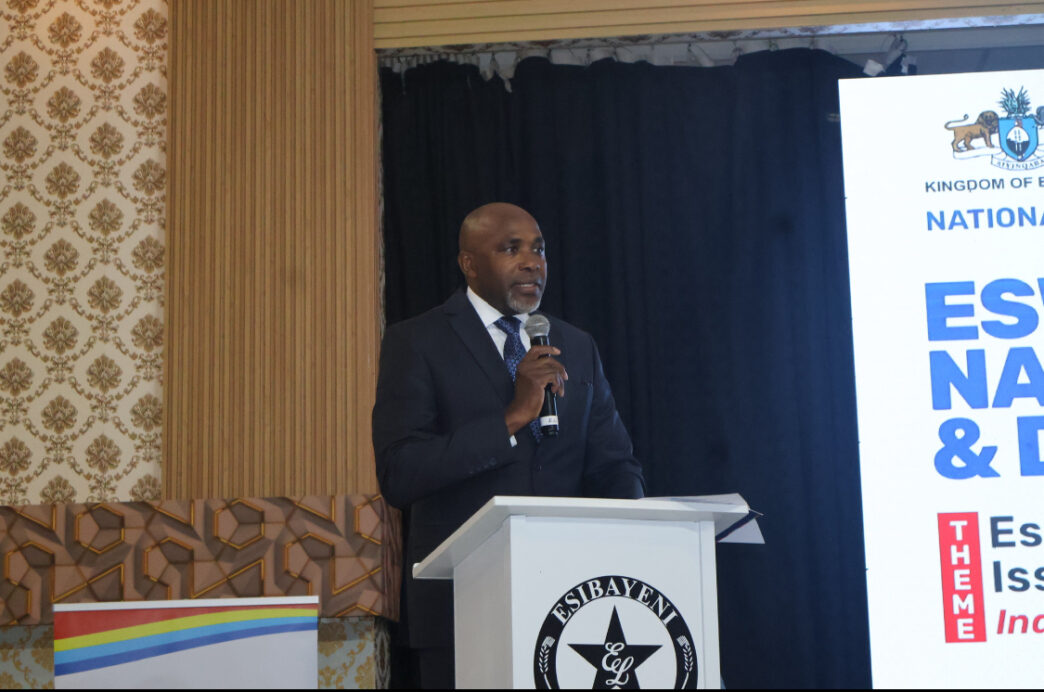
He was speaking on Wednesday during the inaugural Eswatini National Population and Development Summit at Esibayeni Lodge, where he delivered remarks on behalf of the UN family in Eswatini. Wachira said the country’s demographic trends presented both opportunities and challenges, with the decisions made today determining whether population changes would translate into economic prosperity or become an additional development burden.
He proposed four strategic priorities that should guide Eswatini’s response, beginning with the integration of demographic intelligence into national planning, sector policies and public budgets. He said population data and projections needed to inform government investments to ensure that resources responded to the country’s changing needs.
The UN Resident Coordinator stressed that the demographic dividend would not materialise automatically but required deliberate investments in human capital, particularly quality education, adolescent and youth health, sexual and reproductive health, skills development, women’s empowerment and social protection. He said young people needed skills that connected them to real employment opportunities and enabled them to establish sustainable livelihoods rather than remain outside productive economic activities.
Wachira further called for a stronger investment partnership between Government, the private sector and development partners to expand decent employment, entrepreneurship and productive opportunities. He identified agro-industrialisation, manufacturing, digital innovation and the green economy as sectors that could create opportunities for young people while supporting broader economic transformation.
He also emphasised the importance of strengthening collaboration between academic institutions and industry to ensure that the skills produced by the education system respond to labour market demands. Such partnerships, he said, could also mobilise additional resources for research and development.
Another priority he highlighted was investment in rural infrastructure and livelihoods, noting that Eswatini’s predominantly rural population and relatively slow urbanisation rate presented an opportunity to ensure that development reached communities across the country. Wachira said the country should use this opportunity to plan its development intentionally, ensuring that rural communities were not excluded from economic opportunities and essential services.
Reflecting on Eswatini’s development over the past four decades, he commended the country for its progress despite significant challenges, including the impact of HIV and AIDS. He attributed some of the gains to sustained investments in health, education and reproductive health.
He said these investments had translated into improvements in people’s lives, including better maternal health outcomes, increased child survival and opportunities for women to complete their education and establish businesses.
The summit, held under the theme, “Eswatini’s 40-Year Demographic Transition and Emerging Issues for Sustainable Development (1986–2026)”, provides a platform for policymakers, researchers and development partners to examine population changes and their implications for national development. Wachira reaffirmed the UN’s commitment to supporting Eswatini’s development agenda through the Cooperation Framework for 2026–2030, particularly in advancing evidence-based policies, strategic investments and partnerships.
He said the success of the country’s demographic transition would ultimately depend on its ability to turn population changes into opportunities for inclusive and sustainable development.
Keep Up to Date with the Most Important News