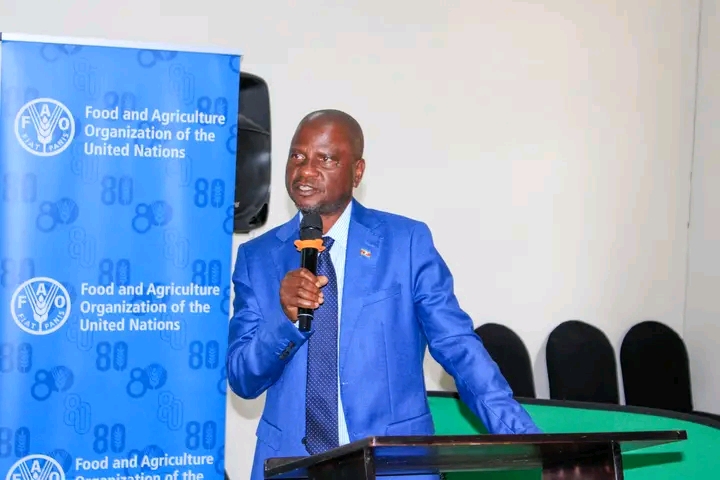
Vulnerable farming households in Eswatini are set to receive emergency agricultural support ahead of the forecast 2026/27 El Niño-induced drought, following the launch of a Food and Agriculture Organisation of the United Nations (FAO) intervention targeting the protection of productive assets and rural livelihoods.
The intervention forms part of two Technical Cooperation Projects (TCPs) launched at George Hotel in Manzini on Wednesday, November 18, with FAO committing approximately US$1.2 million (E20 671 080) in TCP support for the emergency response, alongside its biennial budget.
The emergency project, titled Emergency Support to Protect the Livelihoods of Vulnerable Farming Households Ahead of the Forecast 2026/27 El Niño-Induced Drought in Eswatini, seeks to strengthen household preparedness before drought conditions translate into agricultural losses.
The support comes amid concerns over the potential effects of El Niño on crop production, livestock and household food security. It is designed to address a financing gap in household-level early action, as Eswatini is not covered by the FAO-World Food Programme (WFP) Joint Anticipatory Action Appeal.
The project will contribute towards priority interventions outlined in the Agriculture and Food Security Cluster El Niño Preparedness, Response and Recovery Plan, which is estimated to cost E329.2 million (US18.8million).Ofthisamount,E119.5million(US6.8 million) is required for preparedness activities.
The intervention will focus on safeguarding productive assets, including seed stocks, water storage facilities and breeding herds. These assets are essential to sustaining agricultural production and ensuring that households retain the capacity to continue farming during and after drought conditions.
The distribution of different seed varieties will also allow farming households to retain seed for subsequent planting seasons while encouraging the adoption of climate-smart agricultural practices.
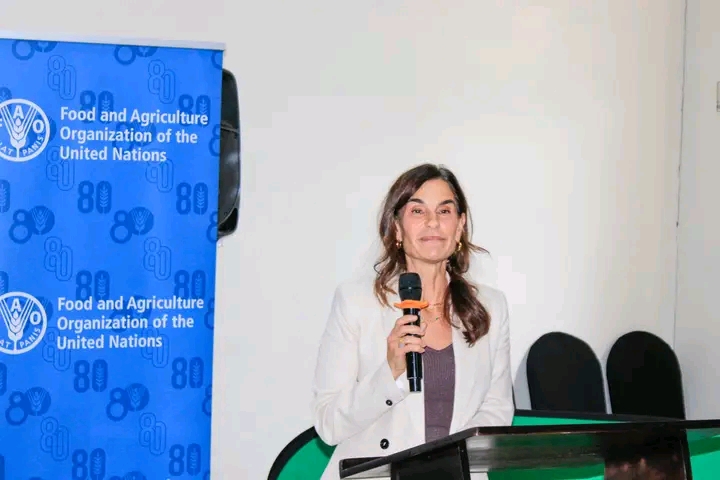
FAO Representative in Eswatini, Rosanne Marchesich, said the country needed to move away from responding only after agricultural losses had occurred and instead strengthen its ability to anticipate and manage climate-related risks.
“Our approach must therefore shift from responding to losses towards anticipating risks, protecting productive capacity and strengthening the resilience of communities,” she said.
Marchesich described the project as a catalytic contribution towards addressing critical financing gaps and supporting the implementation of nationally identified priorities.
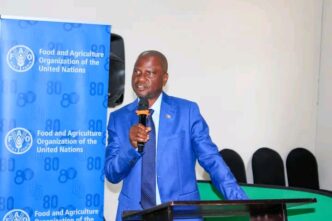
Minister for Agriculture Mandla Tshawukasa said farmers needed to be at the centre of programmes designed to protect their livelihoods, emphasising that their needs and input should guide the delivery of agricultural support.
“Let us deliver programmes that impact the lives and livelihoods of our farmers. There’s nothing that can be delivered to the farmer without the farmer; we have to prioritise their needs and input in the programming of our targeted support,” he said.
Tshawuka added that the government was mobilising resources to support the country’s response to El Niño, noting that the resources provided by FAO would contribute towards protecting livelihoods and sustaining livestock production.
The emergency project was launched alongside a separate agricultural extension initiative aimed at equipping 40 recent graduates from the University of Eswatini Faculty of Agriculture with practical farm advisory skills.
The two projects were launched in partnership with the Ministry of Agriculture, UNESWA, the Eswatini National Agricultural Union (ESNAU) and the National Disaster Risk Management Authority (NDRMA).
Through the emergency intervention, FAO and its national partners seek to strengthen household-level preparedness and protect the productive capacity of vulnerable farmers before the anticipated drought intensifies. The approach places emphasis on early action as a means of reducing agricultural losses and supporting the continued production of food under increasingly uncertain climatic conditions.