• Warns against confusing activity with results
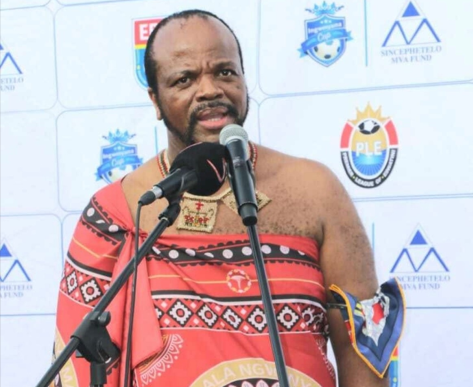
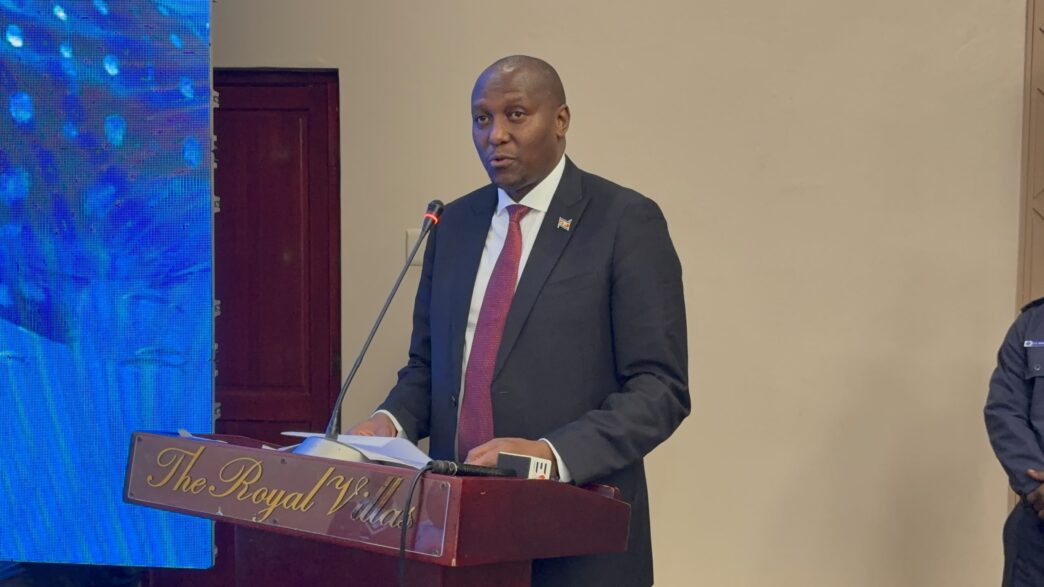
Prime Minister Russell Dlamini on Monday opened the First Semi-Annual Government Performance Review with a directive to Cabinet: account for commitments made at the start of the financial year, present evidence of progress, and produce corrective action for the remaining six months.
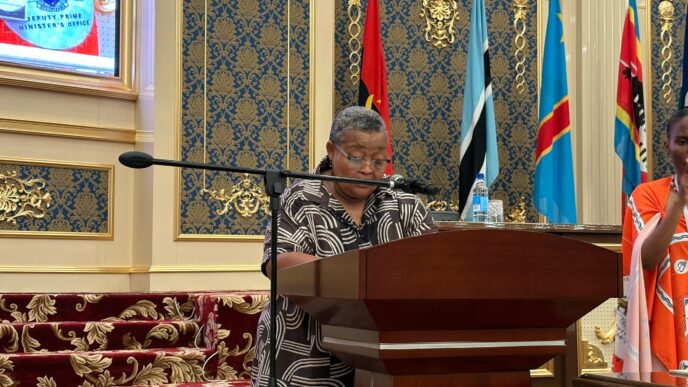
The two-day review at Royal Villas brought together the Deputy Prime Minister, Cabinet Ministers, Principal Secretaries, Senior Government Officials and representatives of the United Nations family.
It is the first formal mid-year assessment of government performance against commitments agreed at Cabinet’s retreat at the commencement of the financial year.
Dlamini said the review must establish whether commitments have been honoured, whether decisions have been translated into action and whether collective efforts are producing meaningful improvements in the lives of the people of Eswatini.
“We must establish whether the commitments made have been honoured, whether our decisions have been translated into action and whether our collective endeavours are producing meaningful improvements in the lives of the people of Eswatini,” he said.
He added that these are the fundamental questions that must guide the deliberations over the next two days.
Evidence-based accounting required
Dlamini said every ministry will be expected to render a candid and evidence-based account of its performance. Ministries must report what was planned, what has been accomplished, what remains outstanding, and the reasons for any deviations.
The review must also examine how annual activities are advancing the broader objectives of the Five-Year Programme of Action.
He said the exercise must not end with the identification of shortcomings. The identification of a problem is not, in itself, the discharge of responsibility. The duty is to remedy it.
“Accordingly, this review must produce practical decisions, clearly assigned responsibilities and firm implementation timelines for the remainder of the financial year,” he said.
Dlamini said the review must not be regarded as an isolated event or a ceremonial exercise. It represents a deliberate step towards institutionalising a culture of performance, administrative discipline and continuous improvement.
He said sound public administration requires that government undertakings be subjected to systematic monitoring, objective assessment and periodic evaluation.
In project management, he said, monitoring constitutes the continuous examination of implementation, resource utilisation and the attainment of prescribed objectives. It enables those entrusted with responsibility to determine whether progress remains consistent with agreed commitments and whether corrective intervention is necessary.
In public affairs, he said, monitoring carries an additional obligation. Public office is a position of trust, and the administration of public resources imposes a corresponding duty of stewardship and accountability.
“We cannot effectively manage what we do not measure, nor can we credibly proclaim success without evidence of achievement,” he said.
He said he had undertaken during the previous performance review that systematic assessment would become a regular feature of government management and service delivery arrangements. Monday’s gathering, he said, gives practical effect to that undertaking.
Performance management is not for blame
Dlamini said performance management must not be misconstrued as an instrument designed primarily to apportion blame or impose punishment. He said its principal purpose is to strengthen leadership, promote institutional learning and improve the effectiveness of public administration. 
A properly constituted performance management system, he said, must establish what is expected, who bears responsibility, the resources available, and the standards against which performance will be assessed.
He said it must also enable the government to direct scarce public resources towards activities capable of producing the greatest public benefit, while eliminating avoidable inefficiencies and unnecessary expenditure.
Where satisfactory performance has been demonstrated, he said, such achievement must be recognised and sustained. Where performance has fallen below expectation, the government must establish the underlying causes and determine the appropriate response.
He said the government must distinguish between deficiencies arising from inadequate effort, weaknesses in institutional systems, and constraints occasioned by insufficient resources. Each requires a different intervention.
He called on ministries to approach the proceedings with intellectual honesty, institutional maturity and a genuine willingness to improve.