The Komati Basin Water Authority (KOBWA) and the University of Mpumalanga have started a joint learning programme under a newly signed Memorandum of Understanding.
The two-day exercise included technical tours of DriekoppiesDam and Maguga Dam, an inspection of the Maguga Dam aquaculture pilot project and site visits to KOBWA weirs.
KOBWA Chief Executive Officer Trevor Shongwe said the partnership will focus on practical training, research collaboration and expanding water-linked projects that support food security and local economic activity. 
Shongwe said the MoU provides a formal framework for KOBWA staff and university students and lecturers to exchange technical knowledge and field data.
He said the authority will open its dam sites for academic study to improve understanding of basin operations.
The delegation received briefings at Driekoppies Dam and Maguga Dam.
KOBWA engineers explained release procedures during dry periods, water allocation for irrigation, municipal supply and downstream environmental flows and routine dam safety and monitoring processes.
According to Shongwe, the training emphasised integrated water resource management for the Komati Basin.
This covers rainfall, river flow, storage levels, human use and ecosystem requirements as one system.
“A dam is more than a storage tank, it is a system that must meet current needs and remain viable for future use,” Shongwe said further mentioning that the university partnership is intended to build that understanding among students and staff.
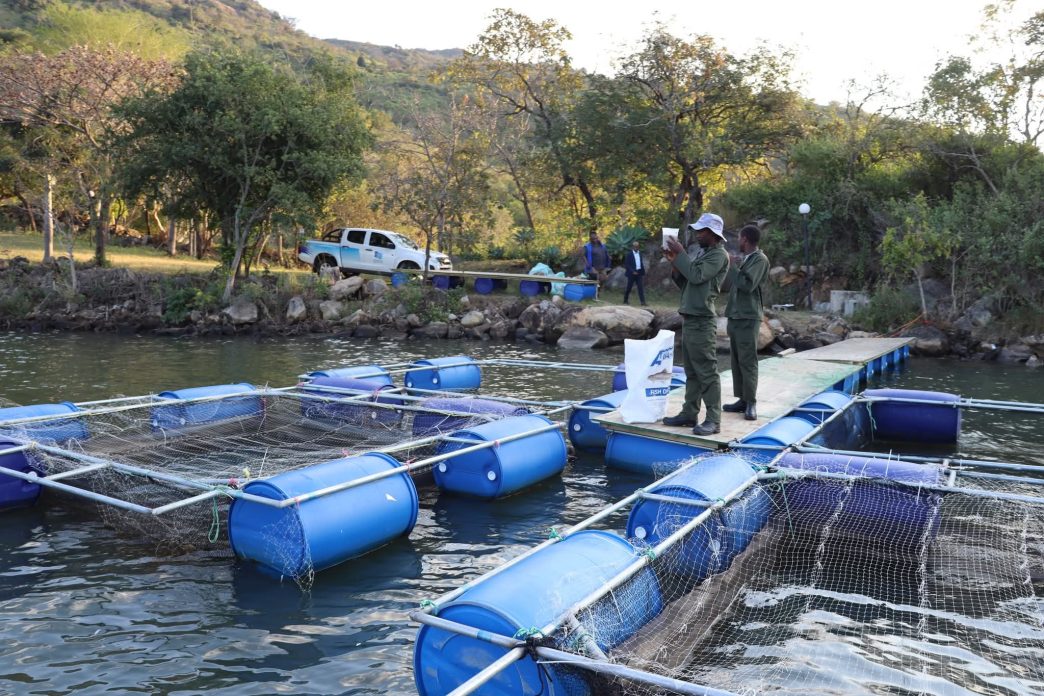
The university team also visited the Maguga Dam aquaculture pilot project.
KOBWA officials presented project objectives, current stocking levels, water quality monitoring and operational challenges.
The pilot is testing fish farming as a method to increase food supply and create income in the catchment area.
Shongwe said the delegation provided input on monitoring, feeding practices, stocking rates and market access.
He confirmed that KOBWA will assess the recommendations as it expands the project in phases.

“Water infrastructure can also support nutrition and small businesses,” Shongwe said stating further that the aquaculture pilot is one example and they will use the university’s input to strengthen the project.
The programme included visits to KOBWA weirs, where technical staff explained the function of the structures in regulating river flow, supporting irrigation and maintaining minimum ecological flows during low-flow periods.
Shongwe said weirs are a critical part of basin management and are required to keep water available for farms and communities between dam releases.
Under the Memorandum of Understanding, KOBWA and the University of Mpumalanga will pursue joint activities.
These include student attachments at KOBWA facilities, research on water use efficiency and studies on climate variability in the Komati Basin.
Shongwe said the agreement is not limited to the recent visit. He said both institutions will develop a work plan before the end of the year.
He said water management in Eswatini faces pressure from variable rainfall, increased demand and ecosystem stress.
He said collaboration with academic institutions is required to address those conditions.
KOBWA reported that students on the visit observed dam infrastructure, control systems, intake operations and community water use points.
The authority said the exposure is meant to link academic coursework to field conditions.