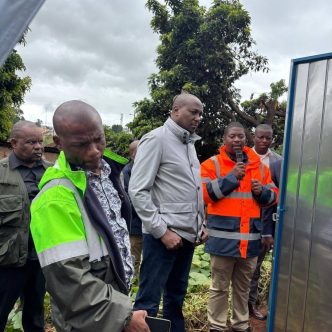
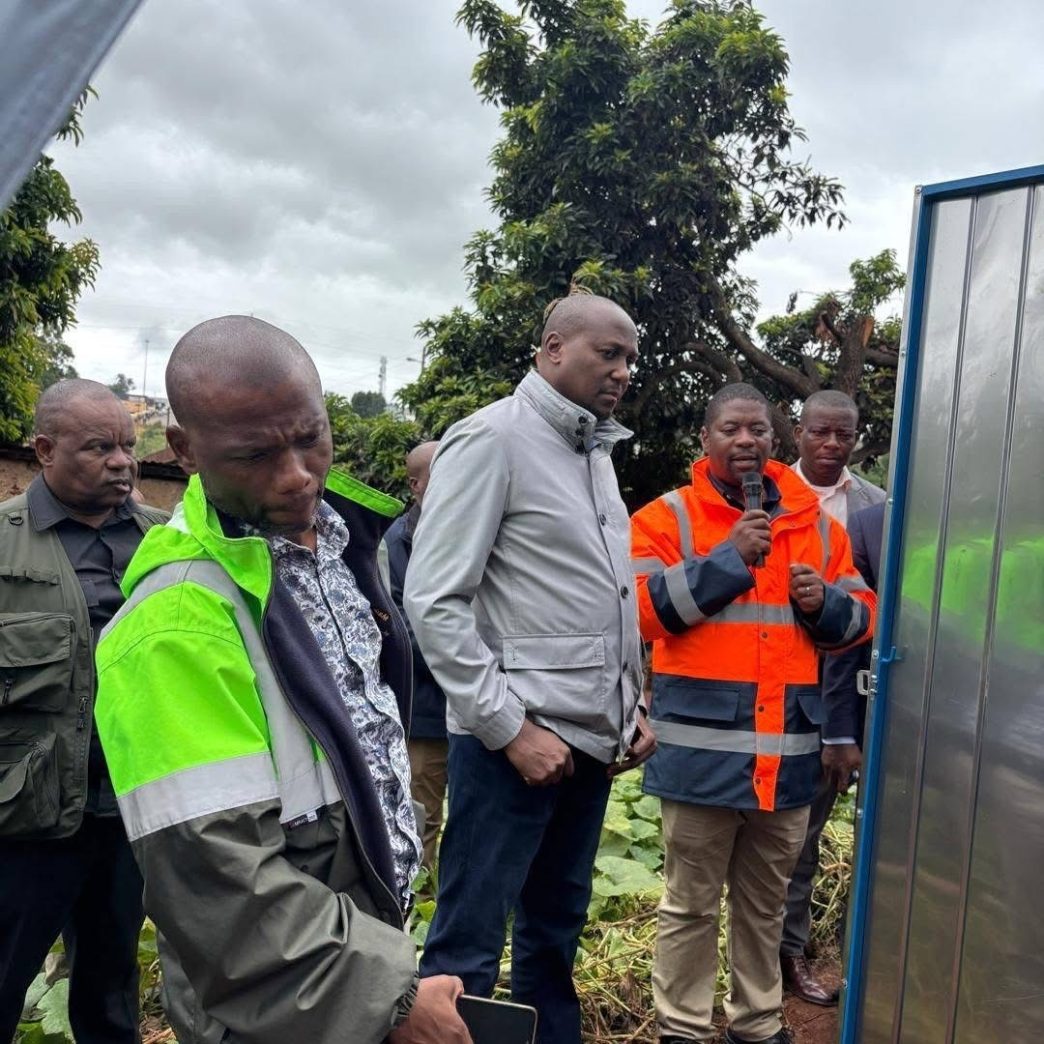
The Ministry of Housing and Urban Development has intensified efforts to improve living conditions in informal settlements by piloting alternative sanitation technologies in the Shiselweni Region,
a move expected to transform the lives of thousands of vulnerable residents while advancing the country’s campaign to eliminate open defecation.
The initiative is being implemented under Component 2 of the World Bank-financed Water Supply and Sanitation Access Project, which aims to expand access to safe and sustainable sanitation services, particularly for underserved communities.
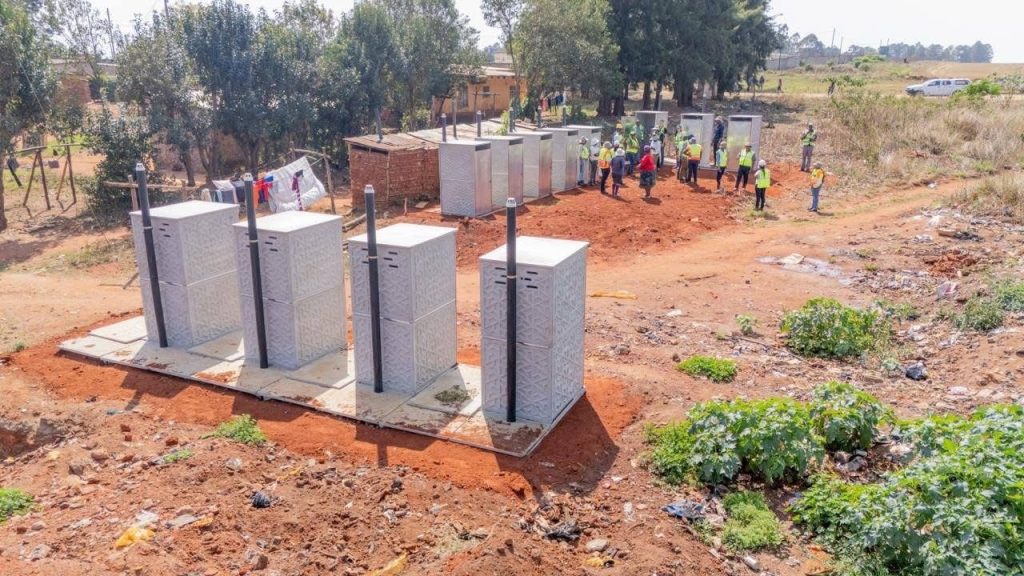
According to the ministry, the pilot programme is designed to address sanitation challenges in informal settlements, 
where conventional sanitation infrastructure is often difficult to establish due to land tenure issues, settlement layouts, and limited public services.
The project aims to provide basic sanitation access to at least 20,000 people by December 2026,
marking a significant milestone in the government’s broader commitment to improving public health and ensuring that no community is left behind in the provision of essential services.
Authorities revealed that the procurement process for contractors responsible for carrying out the works in informal settlements has already been completed.
Construction activities are now underway across the targeted communities, with all infrastructure expected to be completed by the end of July 2026.
The sanitation facilities being introduced are expected to offer practical and sustainable alternatives that are suitable for densely populated informal settlements while meeting acceptable public health and environmental standards.
Beyond the construction of sanitation infrastructure, the ministry has emphasised that lasting change will depend on how communities embrace and maintain the new facilities.
As a result, the infrastructure rollout is being complemented by a comprehensive Social and Behaviour Change Campaign aimed at encouraging positive hygiene practices and responsible sanitation behaviour.
The campaign is expected to strengthen community demand for improved sanitation,
educate households on the proper use and maintenance of the new facilities, and promote healthier hygiene habits that can significantly reduce the spread of sanitation-related diseases.