The country is at a pivotal time in reviewing how TVET institutions operate to produce quality entrepreneurs who will deliver with minimal defects in buildings and infrastructure.
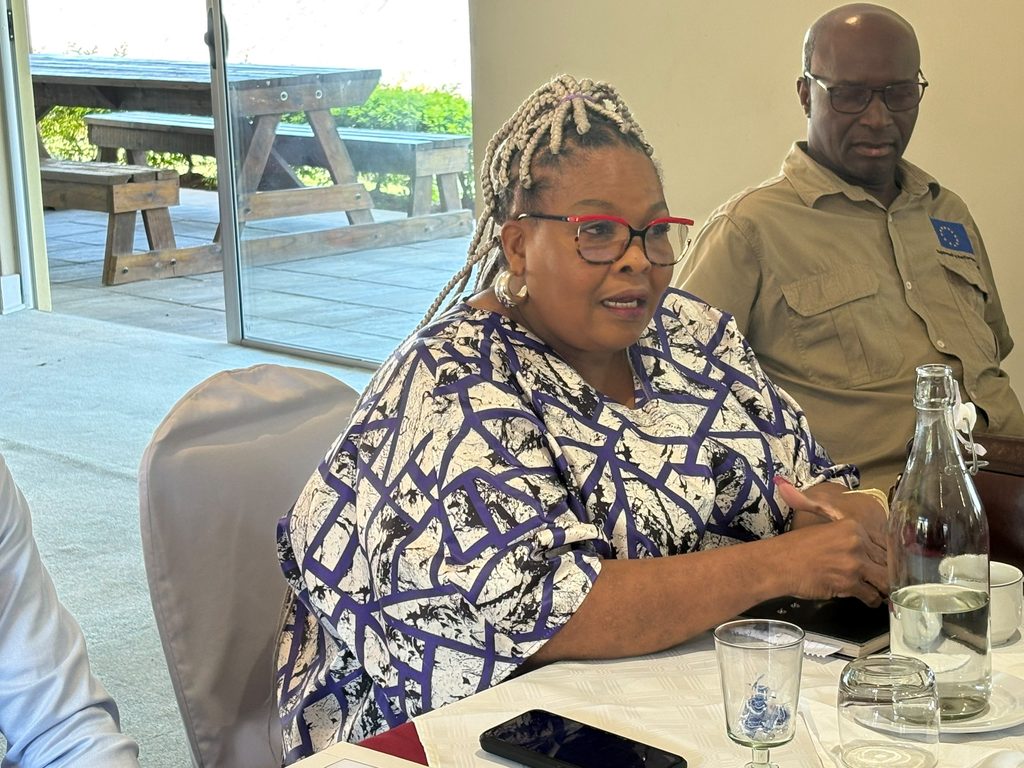
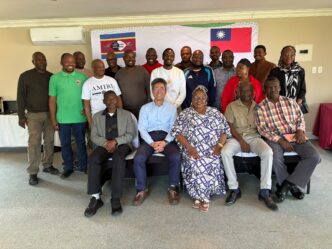
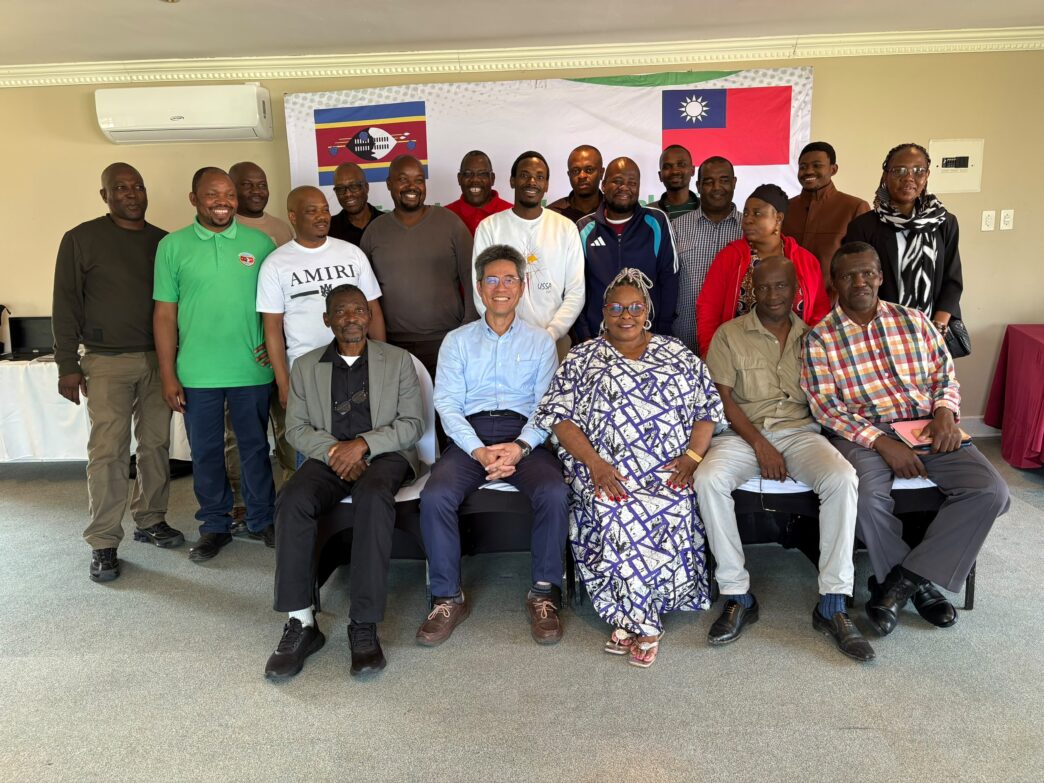
This was said by Senior Inspector Matsidiso Thwala from the Ministry of Education and Training during the conclusion of a three-day Curriculum Development Workshop for Electrical Engineering and Welding, sponsored by the Taiwan Technical Mission ICDF held in collaboration with the Ministry of Education and Training and the Ministry of Labour and Social Security.
Thwala said the Ministry is looking closely at quality assurance across different departments because TVET institutions are manufacturing a person who will stand and deliver in industry.
“We are manufacturing a person who’s going to stand out there and deliver. They will be asked to deliver because they would have presented themselves as excellent and knowledgeable,” she said.
She said if the background of that graduate is not solid and is shaky, it comes back to the Ministry of Education and Training and to the instructors themselves.
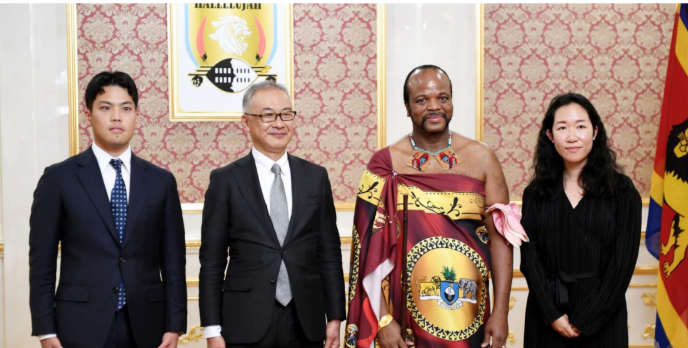
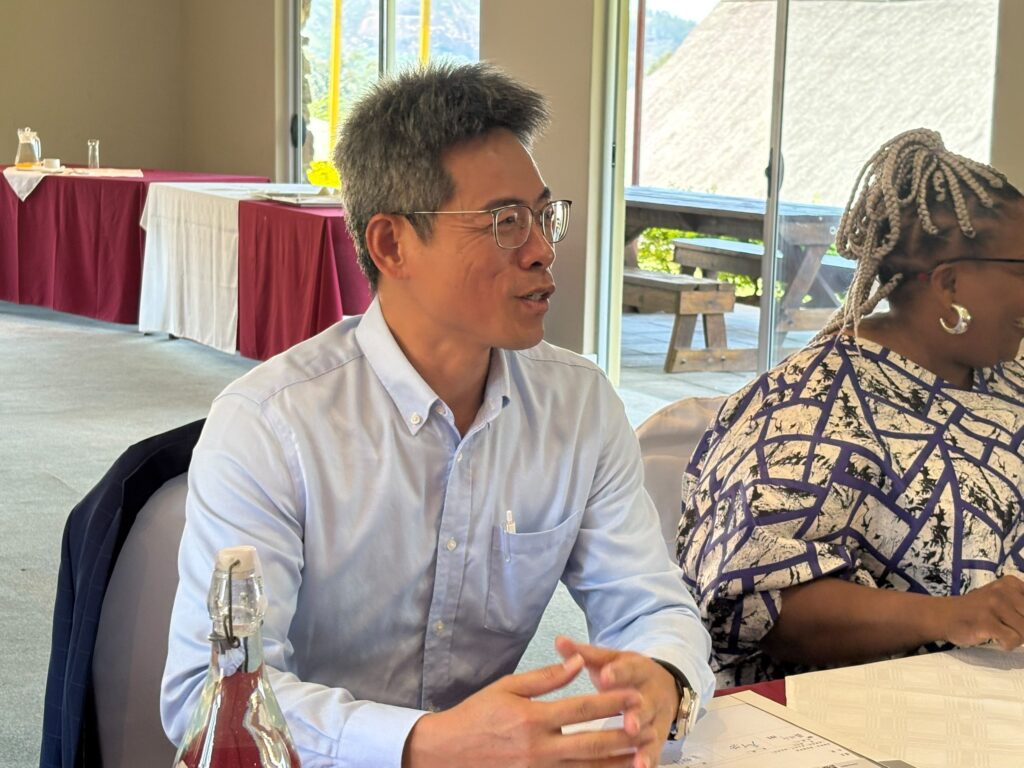
Thwala thanked Taiwan Technical Mission Chief Mars Shiue for the support, noting that for the longest time the sector has needed a proper starting point for curriculum innovation.
“For the longest time, even when we are looking at how we are going to innovate our different curricula, it must start from somewhere where it is written, where it is known and we know exactly where it is lacking and how best it can be improved,” she said.
She said having a documented, functional curriculum will make it easy to identify gaps and also help attract investors who can see where they fit in, whether in improving components like transformers and other areas.
“The curriculum will also speak to whether we need workshops. It will speak to so many things that capacitate yourself so that you are functional, you produce things that are well aligned,” she said.
She noted that learners move from TVET institutions to the Directorate of Industrial and Vocational Training (DIVT) and then into industry, where they are tested on the same level, same curriculum and same quality, and must be comfortable in that space.
She called for the alignment exercise to be rolled out to other trades as well, stressing that electrical work directly involves people’s lives.
“The mere fact that you are holding a wire, it’s electricity. Where you are connecting it speaks to people’s lives. We need to be thorough in how we present the final product – our students, our learners, our entrepreneurs,” Thwala said.
She added that the final document will also assist the Ministry when engaging the Civil Service Commission (CSC) on who to employ, as it clearly defines the qualifications and content required.