Imagine growing fresh vegetables without using soil. No digging, no traditional garden beds, just plants growing in water enriched with nutrients. While this may sound like something from the future, it is already happening in different parts of the world through a farming method known as hydroponics. But the question is, is Eswatini ready to embrace this way of farming?
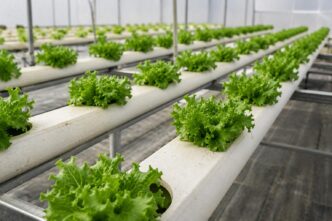
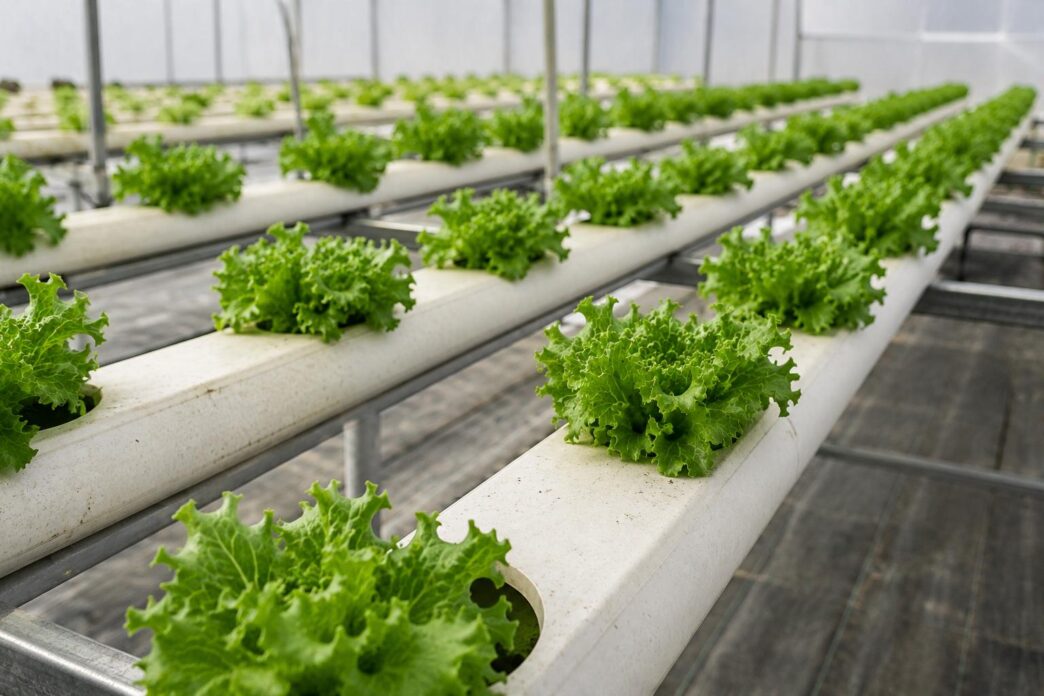
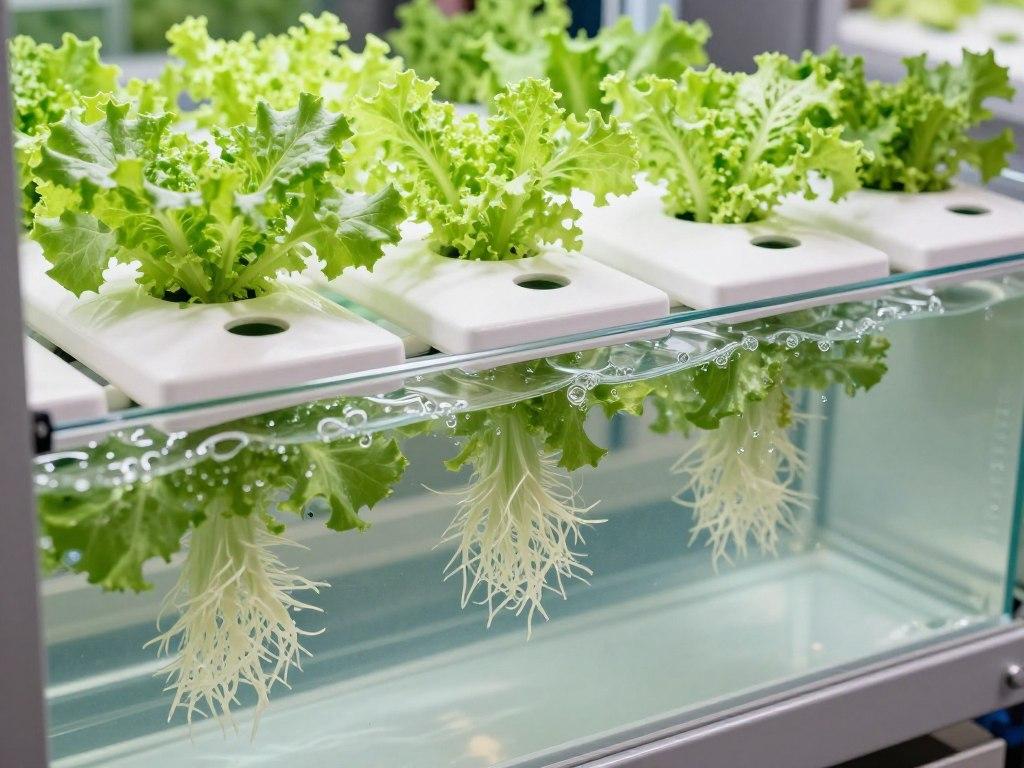
Hydroponics is a method of growing plants without soil, where crops receive essential nutrients through water. Vegetables such as lettuce, spinach, tomatoes and herbs can be grown using this technique. Depending on the system, farmers can grow crops in greenhouses or smaller controlled spaces, making it an interesting option for those without access to large pieces of land. 
For Eswatini, where agriculture remains an important part of the economy, hydroponics could present new opportunities. With unpredictable rainfall, rising temperatures and the need to improve food production, alternative farming methods are worth exploring.
One of the biggest advantages of hydroponics is its potential to save water. Unlike traditional farming, where much of the water used for irrigation can be lost through evaporation or drainage, certain hydroponic systems recycle water, reducing overall consumption. This could be particularly useful during dry periods.
Another advantage is space. For people living in urban areas such as Manzini and Mbabane, where access to farmland may be limited, hydroponics could make small-scale vegetable production possible. It could also open doors for young entrepreneurs interested in agriculture but unable to afford large plots of land.
However, the question of readiness goes beyond whether the technology works.
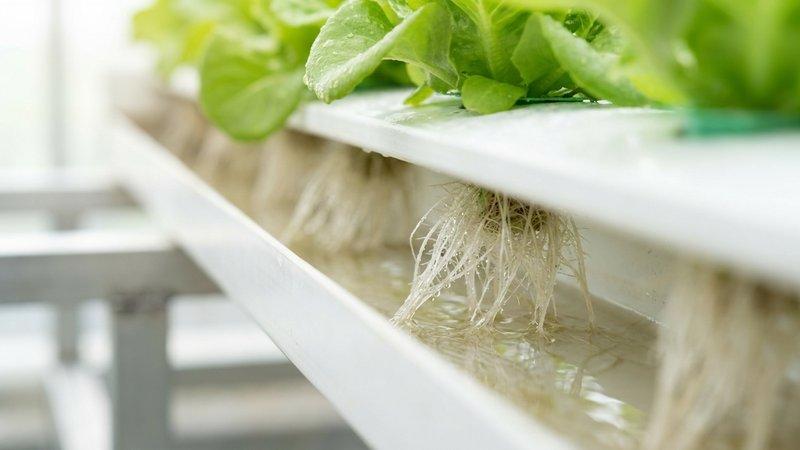
Setting up a hydroponic system requires money, equipment, technical knowledge and, in some cases, a reliable electricity supply. Farmers also need to understand how to maintain the correct nutrient balance and monitor water quality. Without proper training and support, these challenges could discourage potential growers.
There is also the question of affordability. Can an ordinary liSwati farmer invest in hydroponics and still make a profit? Would locally grown hydroponic vegetables find a reliable market? These are important questions that need practical answers before the method can be adopted more widely.
Perhaps Eswatini does not need to abandon traditional farming to embrace hydroponics. Instead, the two methods could work alongside each other, giving farmers more options for producing food.
Ultimately, Eswatini’s readiness for hydroponics will depend on access to affordable technology, training and market opportunities. The potential is there, but turning it into a practical farming solution will require more than simply growing plants without soil.