Eswatini has reaffirmed its commitment to exploring nuclear energy as a potential source of electricity in its long-term energy mix, with the government stressing the need for strong institutions, adequate legislation and safety measures before any development can take place.
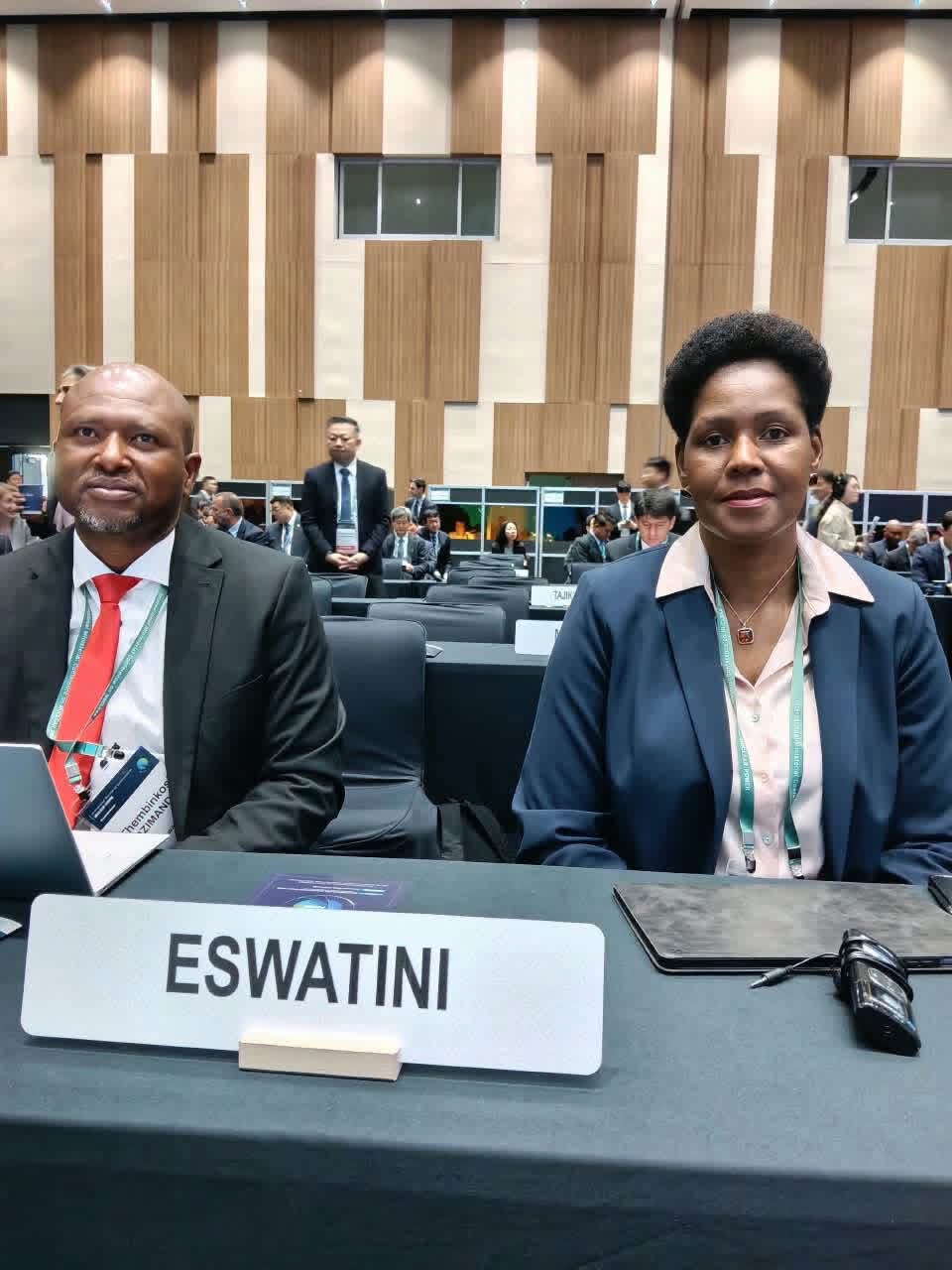
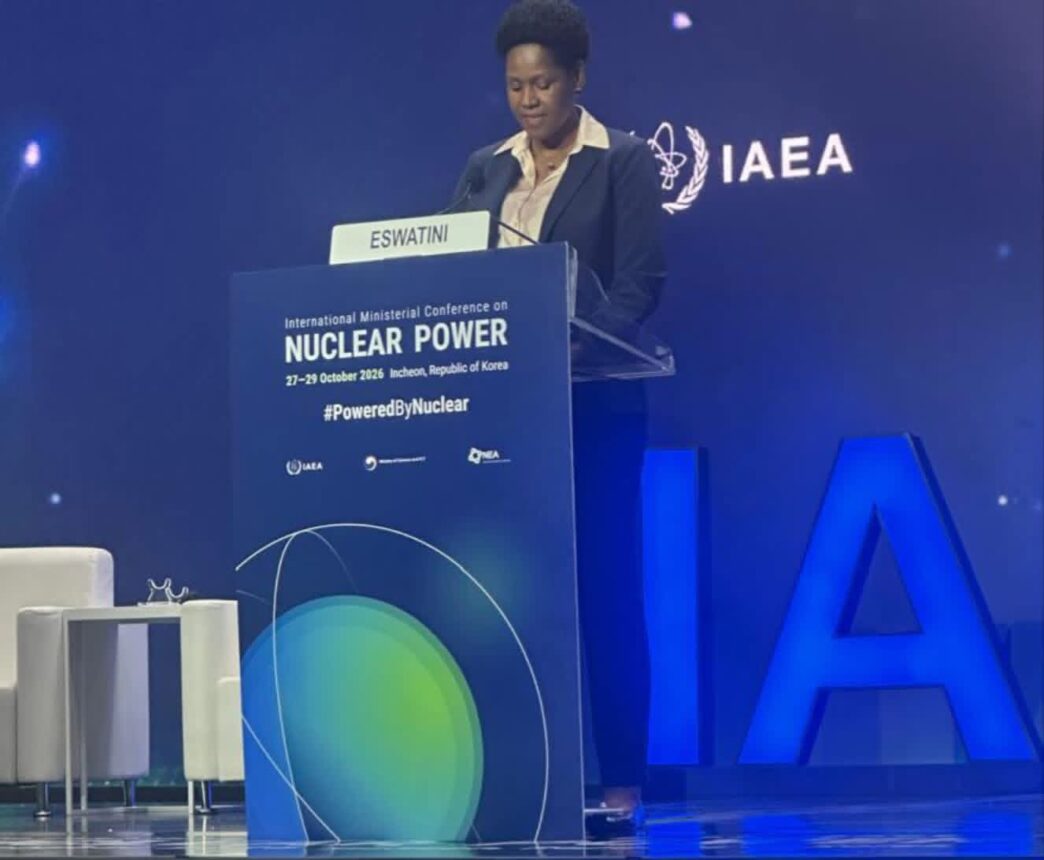
The country committed at the International Ministerial Conference on Nuclear Power, held from October 27 to 29, 2026, in Incheon, Republic of Korea. Delivering Eswatini’s statement on behalf of the Minister for Natural Resources and Energy, Principal Secretary Lindiwe Mbingo said the country was seeking reliable, affordable and sustainable energy to support national development.
She emphasised that nuclear power was a long-term undertaking requiring careful assessment and thorough preparation before the country could consider developing the necessary infrastructure. “Eswatini approaches the prospect of nuclear energy with ambition, prudence, and a commitment to responsible decision-making,” Mbingo stated. She said a successful nuclear programme required more than the construction of a reactor, highlighting the importance of human capacity, strong institutions, sound legislation, safety, public trust and international cooperation.
Eswatini has been a member of the International Atomic Energy Agency (IAEA) since 2013 and continues to benefit from international cooperation in the peaceful application of nuclear science and technology. According to the country statement, this cooperation extends to health, agriculture, water resources, radiation safety and energy planning. Mbingo underscored the need to develop the skills and institutional capacity required to assess nuclear energy before investing in nuclear infrastructure.
She also highlighted the importance of creating opportunities for young professionals and women to participate in the country’s future energy sector. The statement further emphasised transparency and public confidence as essential elements in determining whether nuclear power could become part of Eswatini’s energy mix. The government also expressed its willingness to strengthen partnerships with the IAEA, countries with established nuclear energy programmes, regional organisations and development partners as it assesses the available options.
On financing, Eswatini expressed interest in exploring innovative funding mechanisms and sustainable investment models that could support the possible development of nuclear energy.
Emerging technologies, including small modular reactors and digital innovations aimed at improving safety and operational efficiency, were also identified as areas of interest.
The statement did not announce a decision to construct a nuclear power plant but outlined the country’s intention to explore the potential role of nuclear energy in strengthening its energy security. Mbingo said the process would require informed decision-making and a measured approach, taking into account the technical, institutional and safety requirements associated with nuclear power.