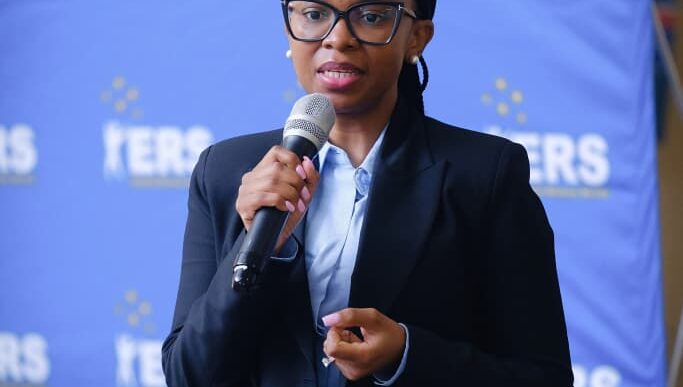
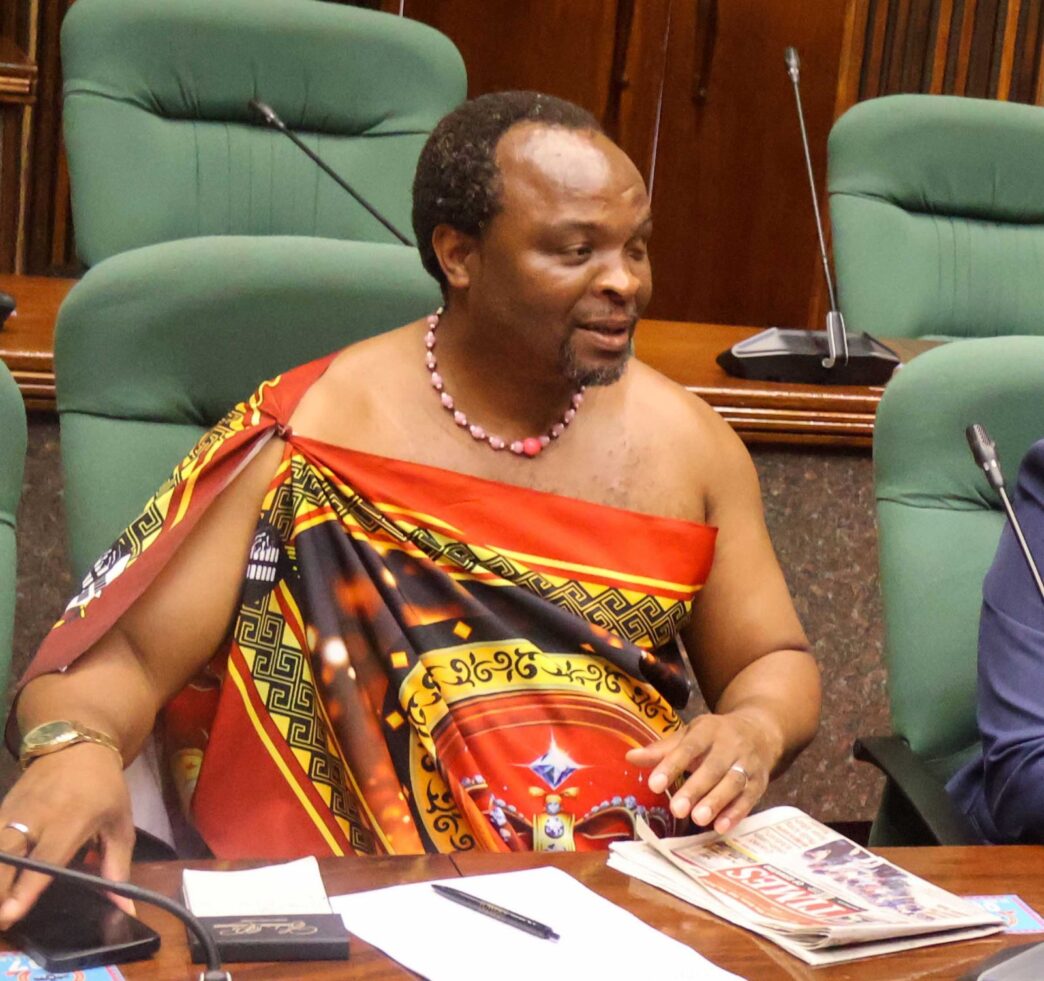
Mbabane East MP Welcome Dlamini has called for deliberate efforts to engage men and provide them with support to deal with challenges affecting them, saying something must be done to ensure they seek help rather than resorting to suicide.
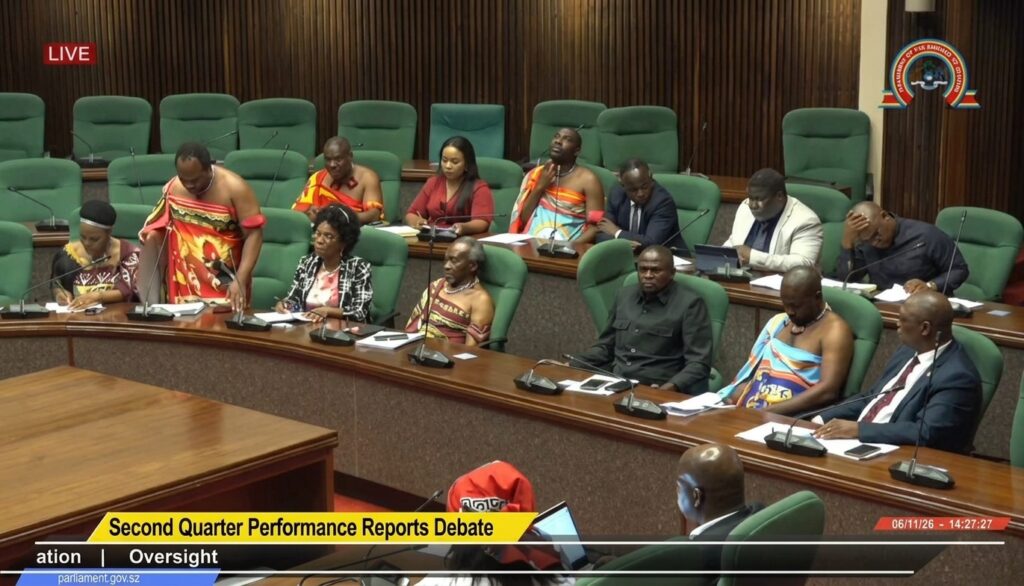
Dlamini raised the concern during the Second Quarter Performance Reports Debate in Parliament on Monday, where he revealed that 42 men committed suicide in this quarter alone.
The figure, he said, should alarm the country. Behind each number is a family left grieving, children left without a father and a community left asking what could have been done differently.
Dlamini said the contributing factors are usually stress, social and domestic isolation and chronic illness. He questioned what can be done to help fight the issue and how men can be engaged to assist them to cope.
His intervention shifted the debate from figures and budgets to a human crisis unfolding quietly in homes across the country. Men, he suggested, are frustrated. Many are struggling in silence. Many do not know where to go for help and many believe seeking help is a sign of weakness.
The MP said this mind-set must be challenged. Men need spaces where they can speak openly without being judged. They need support systems that understand the pressures they face, from unemployment and financial stress to relationship breakdowns, illness and isolation.
He said government cannot continue to treat suicide as a private matter. It is a public health issue and it requires a public response. Dlamini called for collaboration between the Ministry of Health and the police to help fight Gender-Based Violence (GBV), noting that the issues affecting men and GBV are often linked.
He said when men are not supported, frustration can turn inward, leading to suicide, or outward, leading to violence in the home. Addressing one without addressing the other, he argued, will not solve the problem.
The call comes at a time when the country continues to record high cases of GBV, alongside growing concern about mental health. Parliament has in recent sessions debated health service delivery, police response, and social welfare support, but mental health services for men have often received limited attention.
Dlamini said engagement must be deliberate. It is not enough to say services exist. Men must be reached where they are, in communities, workplaces, churches and social spaces.
He questioned whether current programmes are actually speaking to men, or whether men are simply expected to fit into systems designed without them in mind.
Health experts have previously warned that men are less likely than women to seek counselling or medical help for mental health challenges. Cultural expectations around masculinity, which encourage men to endure pain silently and provide for their families at all costs, often prevent them from asking for help until it is too late.
Stress, Dlamini said, is a major factor. Many men are breadwinners facing job losses, debt, and rising living costs. When they cannot provide, they feel they have failed. When relationships break down, they feel isolated. When illness strikes, they feel helpless.
Domestic isolation, he said, is also a growing problem. Some men withdraw from family and friends after separation, conflict, or loss. Others are isolated within their own homes, unable to communicate what they are going through.
Chronic illness adds another layer. Men living with long-term conditions may face pain, loss of income, and fear about the future, without adequate psychosocial support.
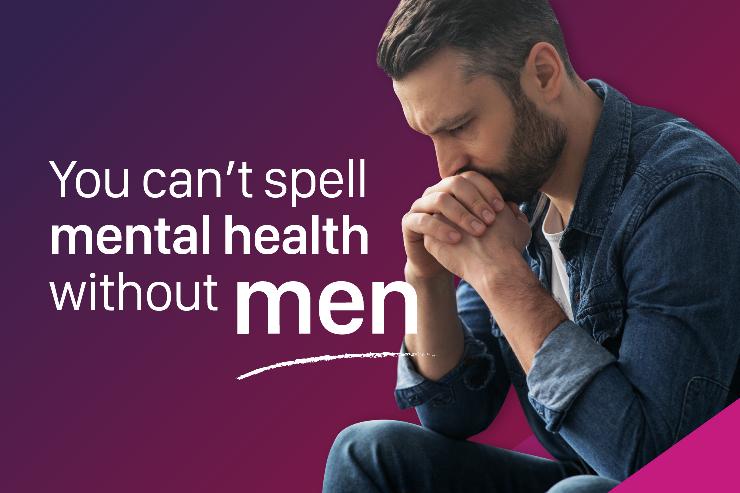
Dlamini said the country must find practical ways to help men cope. That includes counselling services that are accessible and male-friendly, community outreach, peer support groups, and stronger coordination between health facilities and law enforcement.
The proposed collaboration between the Ministry of Health and the police, he said, would help ensure that cases involving distress, domestic conflict and GBV are handled with both care and accountability.
Police are often the first to respond to domestic disputes and suicide cases. Health workers are often the first to see signs of depression and stress. Working together, he said, they could identify at-risk men earlier and refer them to help.