. . . As deadline looms
Hundreds of preschools across Eswatini face closure after a nationwide mapping exercise confirmed that almost half of the country’s early childhood centres are operating without registration.
The Ministry of Education has completed the mapping of all Early Childhood Care and Development (ECCD) centres in the country. The exercise found about 1 523 centres. Of these, 51 per cent are registered. The remaining 49 per cent are unregistered.
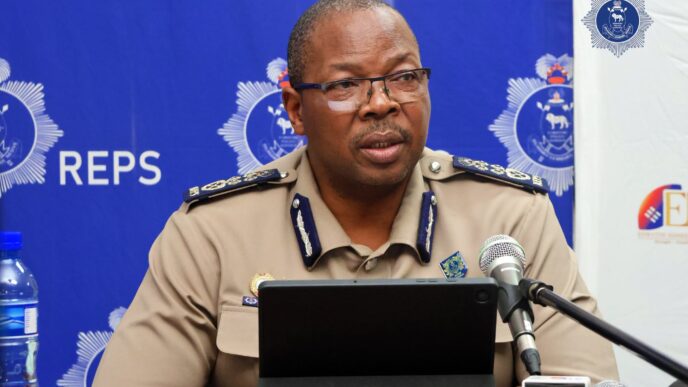
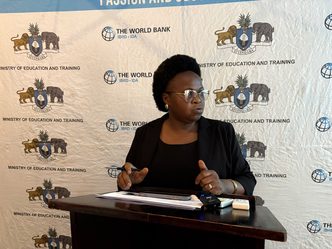
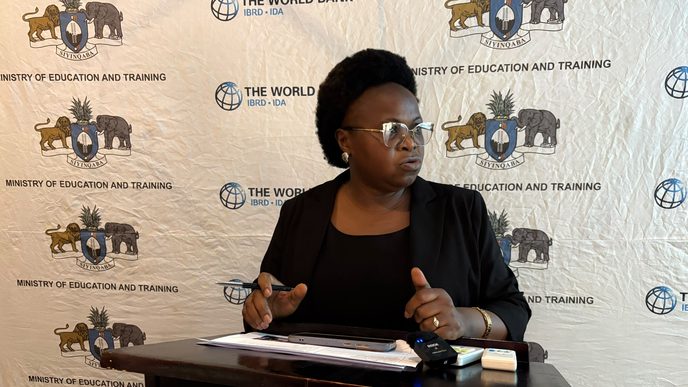
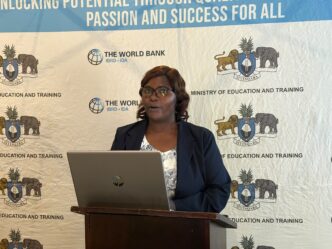
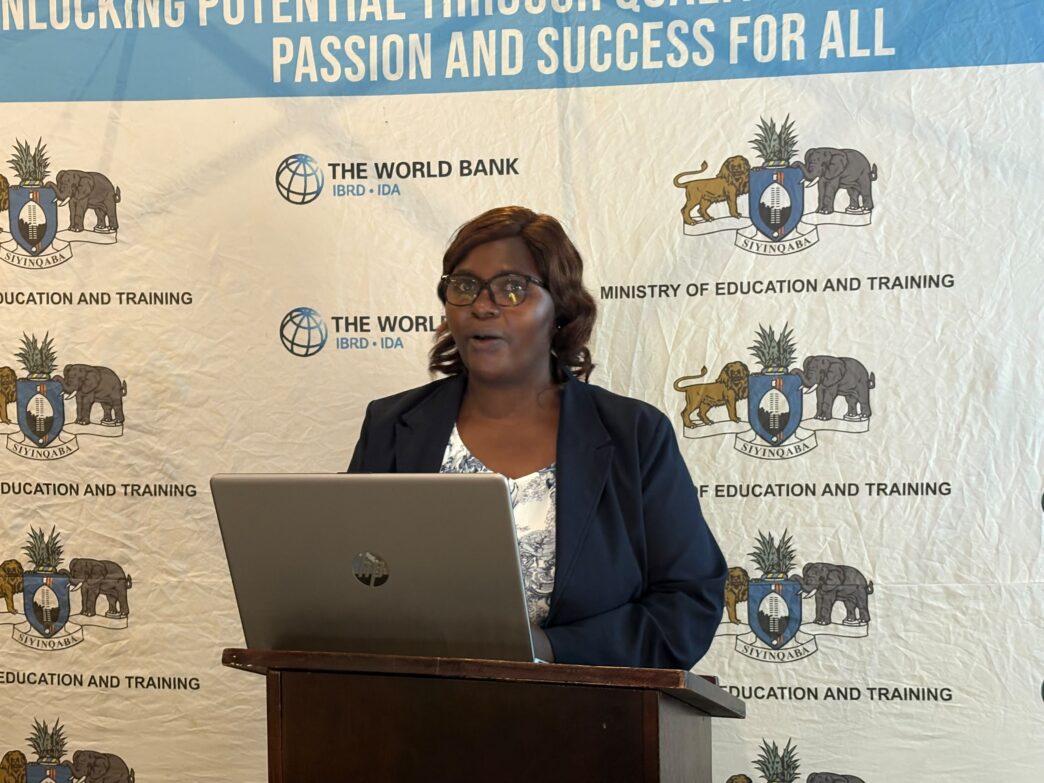
Winile Tsabedze-Dlamini, Inspector for Early Childhood Development, presented the findings during the Ministry of Education and World Bank Project Media Engagement Session at Simunye Country Club.
She said the mapping was conducted to establish a reliable database, to identify where centres are located, and to assess whether they meet the minimum standards required by the Ministry.
“We wanted to identify the ECCD centres in the country, we also wanted to know which areas do not have enough centres, and what we can do to make sure those areas also have centres,” she said.
The Inspector said the exercise also assessed basic facilities and staffing. Teams asked whether centres have toilets, water, classrooms, indoor play materials and outdoor play materials. They also asked whether teachers are qualified and whether the centre is registered.
She said the Ministry will now move to enforce compliance. Centres that fail to register and meet the required standards will be closed.
“Anyone who wants to do business must be registered,” she said. “We wanted to make sure that centres comply with the standards that have been put in place by the Ministry of Education.” 
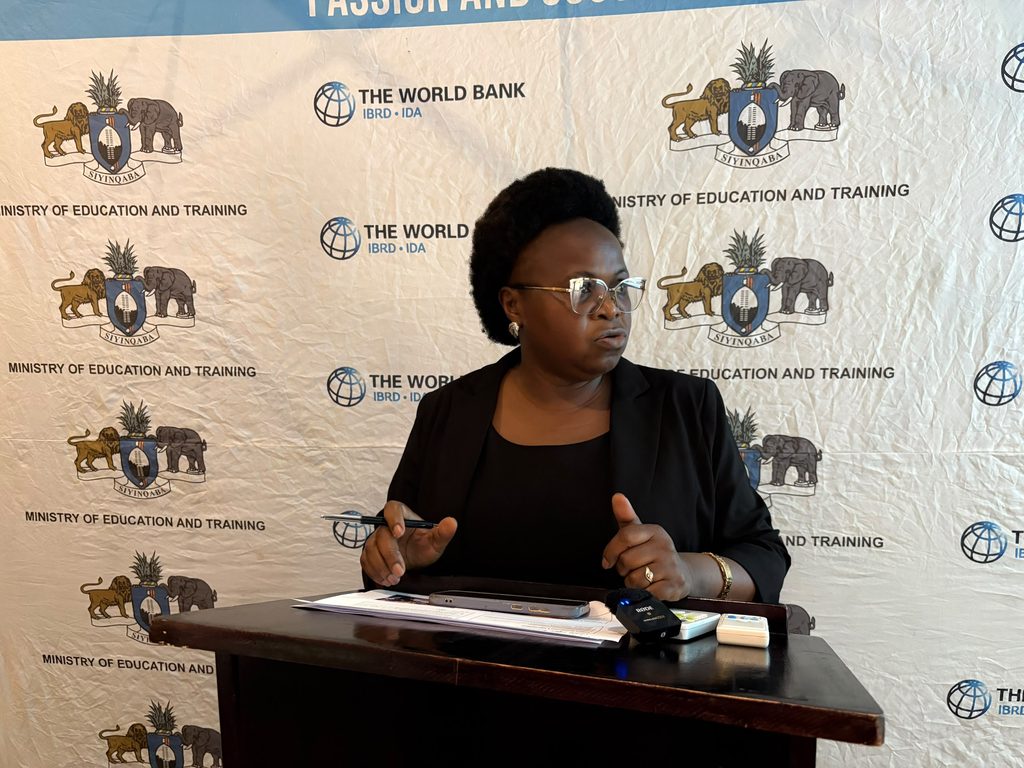
She said the ministry is not seeking to close centres without allowing them to comply. The mapping was conducted to identify gaps and to guide support, planning and resource allocation.
The mapping has raised concern among owners of unregistered centres, particularly in rural communities where there is no other preschool. Parents in those areas fear that closure will leave their children without access to early childhood education.
Tsabedze-Dlamini said the ministry understands the concern, but registration is about protecting children, not paperwork. She said many unregistered centres lack basic facilities and qualified teachers.
She said there is a common belief that anyone can teach preschool, including a school dropout. She said that belief is incorrect. “People think anyone can teach preschool. Even somebody who is a dropout, they think that person can teach preschool. Yet it is not the case,” she said.
She said that even if individuals have a general teaching qualification, they are not expecting them to be teaching in preschool. “We want people who are relevantly qualified,” she said.
She said the Ministry will intervene where teachers are not qualified to ensure they are assessed and supported to obtain the relevant qualification. The mapping also confirmed wide disparities in access to early childhood education. In urban areas such as Manzini and Mbabane, there are many preschools. In rural areas, there are few or no preschools, and many children start Grade 1 without ever attending preschool.
Tsabedze-Dlamini said children from well-off families whose parents can afford to pay for preschool are able to attend preschool before starting formal education. Children from poor families in rural areas do not get the same opportunity.
“Children from wealthy families are more likely to be developmentally on track in literacy and numeracy; children from poor families are less likely to be on track,” she said.
She said children who do not attend early childhood centres are at a higher risk of dropping out of school. The problem is worsened by overcrowding, with most classes having more than 40 learners. Children who have not been to preschool struggle to cope when mixed with children who have been exposed to early learning.