Eswatini is spending more than E528 million to improve basic education, Principal Secretary in the Ministry of Education and Training, Nanikie Mnisi has said.
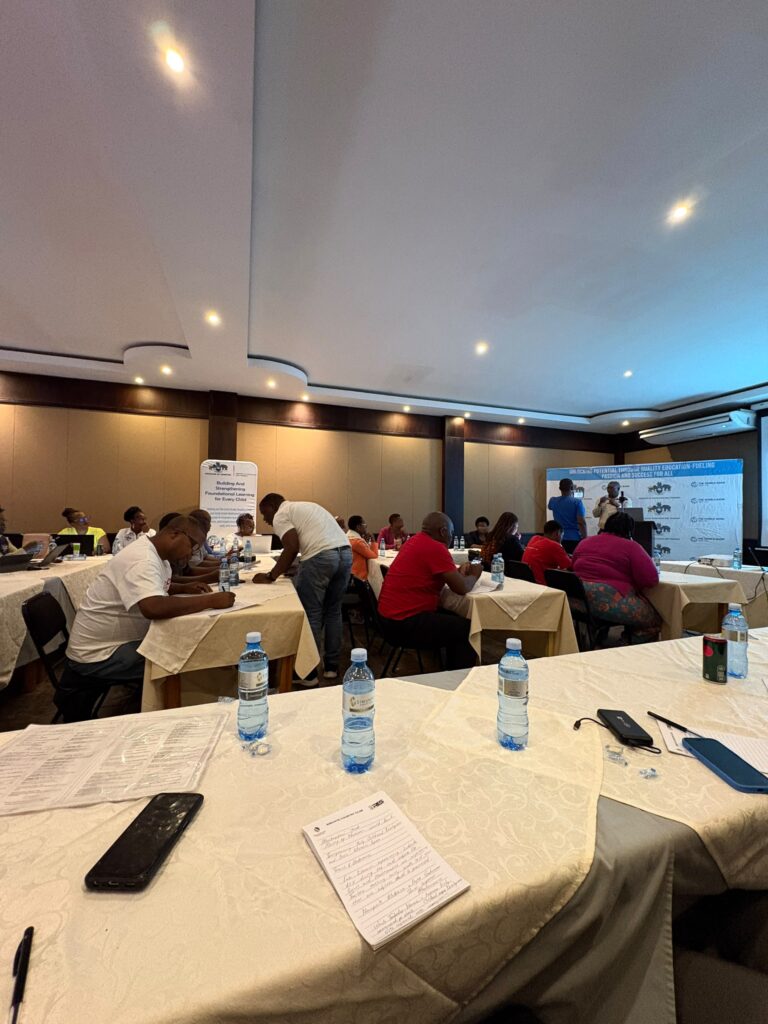
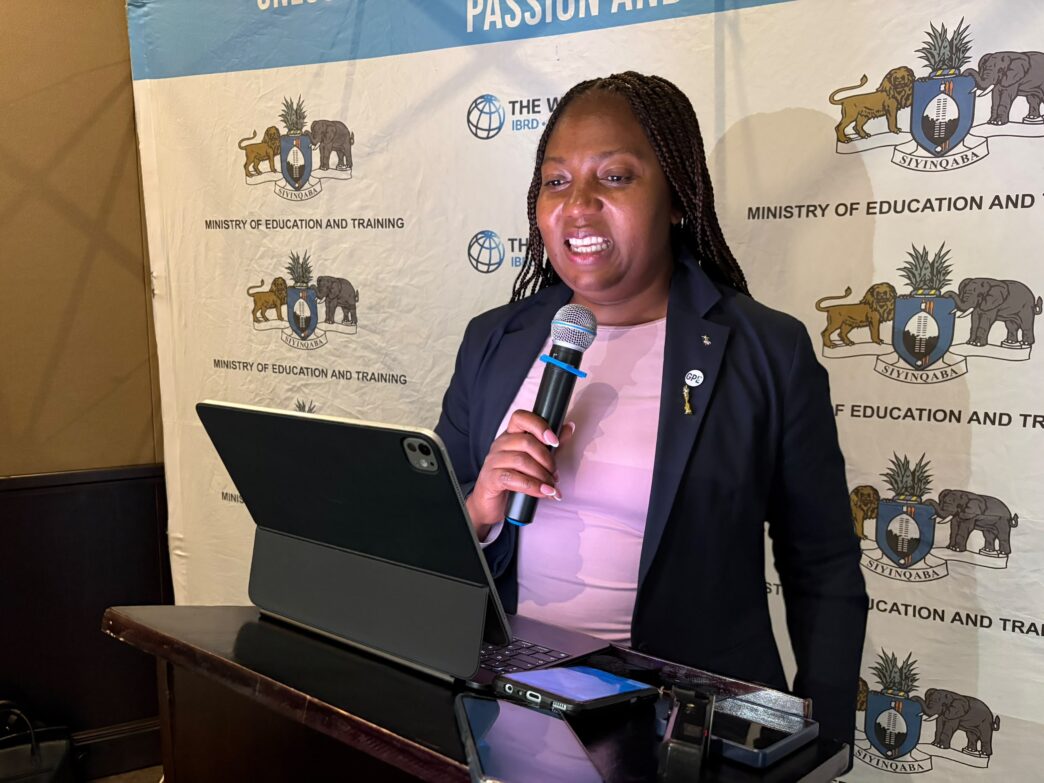
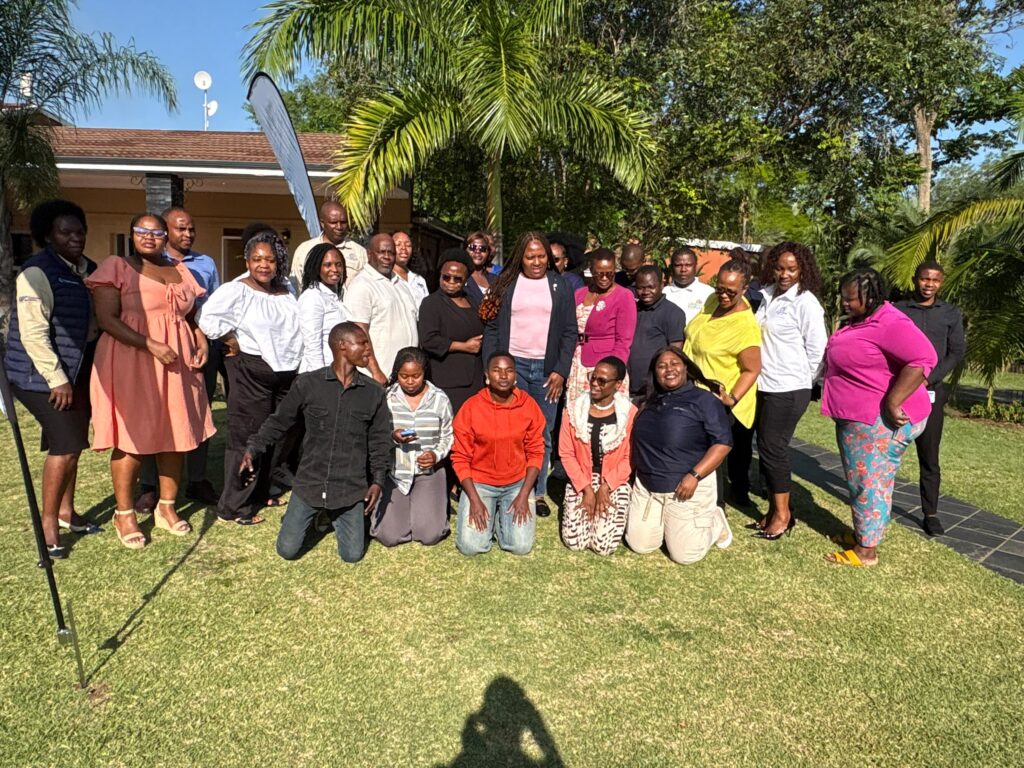
Mnisi was speaking at Simunye Country Club during the Media Sensitisation Workshop on the World Bank-funded project for the Ministry of Education and Training.
She said the project is supported by a World Bank loan of $27.35 million, equivalent to E449 899 021.50 and a grant of $4.75 million from the Global Partnership for Education (GPE), equivalent to E78 203 572.50.
She thanked the World Bank and GPE for their partnership.
“Your commitment to strengthening our human capital development agenda is not just financial; it is a profound belief in the potential of our youth, and for that, we are truly thankful,” she said.
Mnisi said the aim of the workshop was to strengthen advocacy for the project by ensuring that the media is equipped with accurate facts and a clear understanding of the project. “The media is the essential bridge between policy and the public, and your role in communicating the essence of this initiative is invaluable,” she said.
She said the project is strategically designed to address key areas in the education system to enhance human capital development, focusing mainly on Basic Education, from Early Childhood Care, Development and Education (ECCDE) to Junior Secondary.
The funding is being used in five main areas.
The first is ECCDE. “We are intensely focused on the foundational years,” Mnisi said.
She said 340 Grade 0 classes are being provided with indoor and outdoor materials. Assessment tools testing learner development milestones have been developed. Newly developed curriculum materials have also been provided, including teacher’s guides, learner workbooks and storybooks.
Mnisi said the materials are meant to support teachers in delivering the Grade 0 curriculum and to support children in learning through play and structured lessons.
The second area is Grades 1 to 3, where the focus is on strengthening numeracy and literacy in Mathematics, siSwati and English. She said 251 primary schools are being reached with teaching and learning materials that complement Competency-Based Education in the classrooms.
Assessment tools testing learner literacy and numeracy skills acquisition have also been developed. “These assessments have birthed another intervention known as Teach at the Right Level (TaRL) which has been piloted in 30 schools,” she said.
TaRL groups learners according to their actual learning level, so that teachers can address gaps in reading and counting.
The third area is Mathematics and Science at lower secondary level. Mnisi said the project is tackling a skills gap in 126 secondary schools by improving the quality of Mathematics and Science education.
“In an increasingly technological and competitive global environment, proficiency in Mathematics and Science is no longer an option but an essential tool for innovation, economic growth and individual opportunity,” she said.
She said the Ministry is committed to fostering a generation of critical thinkers and problem-solvers who are ready to take on the challenges of the 21st century.
She said with the use of ICT tools in teaching Mathematics and Science, the Ministry has been intentional in trying to demystify the notion that Mathematics and Science are difficult subjects.
The fourth area is learner retention. “In promoting the retention of girls and boys in the school system, the stark reality is that every child who drops out represents a loss of potential – for their family, their community and the nation,” Mnisi said.
She said the Ministry is addressing socioeconomic barriers that lead to attrition through targeted interventions, including the provision of Orphaned and Vulnerable Children (OVC) grants in 8 junior secondary schools and the establishment of school clubs in 64 secondary schools.
She said the grants are intended to assist learners who face financial barriers to remaining in school, while the clubs are intended to make schools more engaging and supportive.
The fifth area is the scale-up of the interventions to more schools within the project timelines.
Mnisi said 352 additional primary schools will receive formative assessment tools as well as the relevant teaching and learning materials produced under the project.
She said 160 additional junior secondary schools will receive interactive touch screens. She also said 100 more Grade 0 classes will get outdoor materials.