…. Funding boost targets public finances, business reforms and domestic energy production
The African Development Bank (AfDB) has doubled its planned second-phase financial support to Eswatini to E1.18 billion (US$68.44 million), providing a significant funding boost to the country’s efforts to strengthen public finances, improve the business environment and reduce dependence on imported electricity. The Bank’s Board of Directors has approved the loan under the second phase of the Enhancing Economic Resilience and Competitiveness Programme, a two-year reform initiative launched in June 2025 to improve economic resilience, encourage private sector investment and support job creation.
The approved amount is almost twice the E587.4 million (US$34.2 million) initially planned for the second phase, reflecting the Bank’s increased support at a time when Eswatini continues to face pressure from external economic shocks, rising import costs and fiscal constraints. The additional funding also forms part of the AfDB’s response to the global energy and fertiliser crisis, which has exposed the vulnerability of economies heavily dependent on imported essential commodities.
The programme focuses on two major areas: strengthening government finances and public financial management, while improving the conditions under which businesses operate and expanding domestic energy production. Under the public finance component, the reforms seek to improve debt transparency, ensure government suppliers are paid on time and protect essential expenditure on healthcare, education and social services while reducing the fiscal deficit. The second component is directed at lowering the cost and time of doing business, improving energy security and creating conditions in which private enterprises can play a greater role in economic growth and employment creation.
AfDB Deputy Director General for Southern Africa and Eswatini Country Manager Moono Mupotola said the programme was intended to translate economic reforms into tangible improvements in people’s lives and business operations. She said the Bank’s priorities included improving access to finance for women entrepreneurs, strengthening public financial management, reducing the time required to register businesses and increasing the amount of electricity generated domestically.
The funding comes against the background of Eswatini’s considerable exposure to international commodity price movements. According to the Bank, fuel, food and fertiliser account for approximately 40% of the country’s imports, while more than 70% of imports originate from South Africa. This means international price increases can quickly affect domestic fuel costs, agricultural production, food prices and government expenditure.
To cushion households and businesses against these pressures, government has contributed approximately E352.1 million (US$20.5 million) towards a fuel price stabilisation fund. Through the energy regulator, it has also committed about E213 million (US$12.4 million) over 2026 and 2027 to moderate electricity tariff increases. Government continues to subsidise agricultural inputs, while construction of a strategic fuel reserve at Phuzumoya is underway. The facility is expected to accommodate 80 million litres of fuel, equivalent to approximately 60 days of national supply.
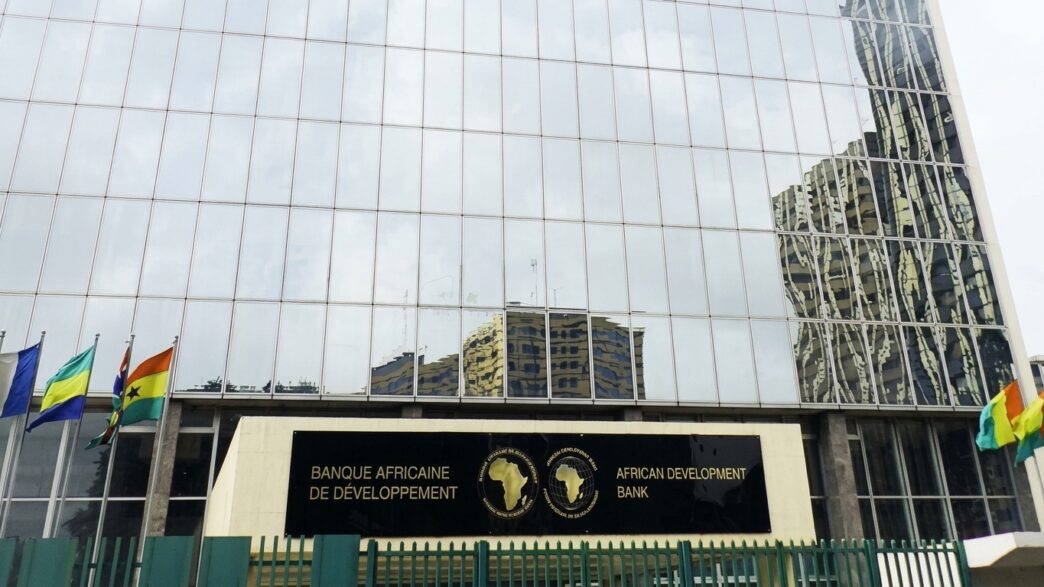
AfDB has doubled its second-phase support to Eswatini to E1.18 billion under Enhancing Economic Resilience Competitiveness
Add a Comment
Keep Up to Date with the Most Important News