… As Parliament plan advances
DPM urges institutions to unite against child marriage
Acting Deputy Prime Minister Sikhumbuzo Dlamini has called on national institutions, Parliament, civil society and regional partners to strengthen coordination in the protection of children, with particular focus on the prevention of child marriage.
Dlamini, who also serves as Minister for Tinkhundla Administration and Development, made the call when addressing the second day of a regional symposium on child protection in Ezulwini Palazzo while standing in for the Deputy Prime Minister Thulisile Dladla.
The symposium session brought together parliamentarians, heads of delegation, government officials, civil society organisations, young people, development partners and members of the media to examine how institutions can work more effectively together to protect children.
In his remarks, Dlamini said the opening day of the symposium had set out the Kingdom’s position and the direction of the collective response. The second day, he said, was an opportunity to examine how that direction can be implemented through institutions and relationships.
Dlamini said the Office of the Deputy Prime Minister coordinates mandates that cut across family welfare, education, disability, safety and access to public services.
He said a single concern involving a child may require the involvement of several institutions, and the response therefore depends on their ability to work together around the person seeking assistance.
This, he said, is particularly relevant to the prevention of child marriage, where a concern may first become known to a community leader, a school, a youth organisation or an organisation supporting women. “The person who receives the concern needs a dependable connection to those able to act,” he said.
Dlamini urged delegates to examine referral systems in practical terms: whether responsibility is clearly accepted when a case is referred, whether the referring officer knows the matter has been received, whether there is a means of checking if assistance followed and who maintains contact with the child and family when several institutions are involved.
He said these questions concern the quality of administration, whether institutions understand their responsibilities, and whether people seeking help can move through the system with confidence.
Dlamini said a service that appears accessible from the centre may present considerable difficulty to someone approaching it from a distant household.
He cited distance, cost, communication, disability, language, working hours and unfamiliar procedures as factors that affect access. “We must understand these circumstances well enough to design responses that people can actually use,” he said.
He said local knowledge is central to planning and assessing public services, as communities understand the households they serve, the distances people travel, the institutions they approach and the practical circumstances that shape daily decisions.
Dlamini said structures through which emaSwati organise community life, including tinkhundla, offer opportunities for engagement, communication and follow-up.
He said a community leader who identifies a concern should have a current contact, a clear referral route and an understanding of the limits of their own role. National institutions, he added, should be able to explain to communities what support they provide, how it may be accessed and what people should expect after making contact.
He further stressed that maintaining these connections is an ongoing administrative responsibility, as telephone numbers change, programmes begin and end, and once accurate information may cease to be useful.
Dlamini said effective cooperation begins with a clear understanding of what each institution is equipped and authorised to do.
He said government departments carry responsibility for public policy, administration and service delivery, while Parliament is responsible for law-making, oversight and accountability for performance and expenditure.
Community institutions help connect people with services, while civil society organisations contribute specialised knowledge, sustained community relationships and experience of how people encounter public systems.
He said partnership arrangements should answer practical questions: who supplies information, who convenes institutions when a case requires several services, who communicates with the family, and how unresolved matters are escalated.
“An agreement to cooperate should make it easier for officers to act when assistance is needed,” he said.
Dlamini also raised concern about families having to explain the same circumstances repeatedly when a matter moves between officers. Where a handover is necessary, he said, the receiving institution should have the information required to proceed, subject to appropriate confidentiality.
He said modest improvements in working arrangements can make a considerable difference.
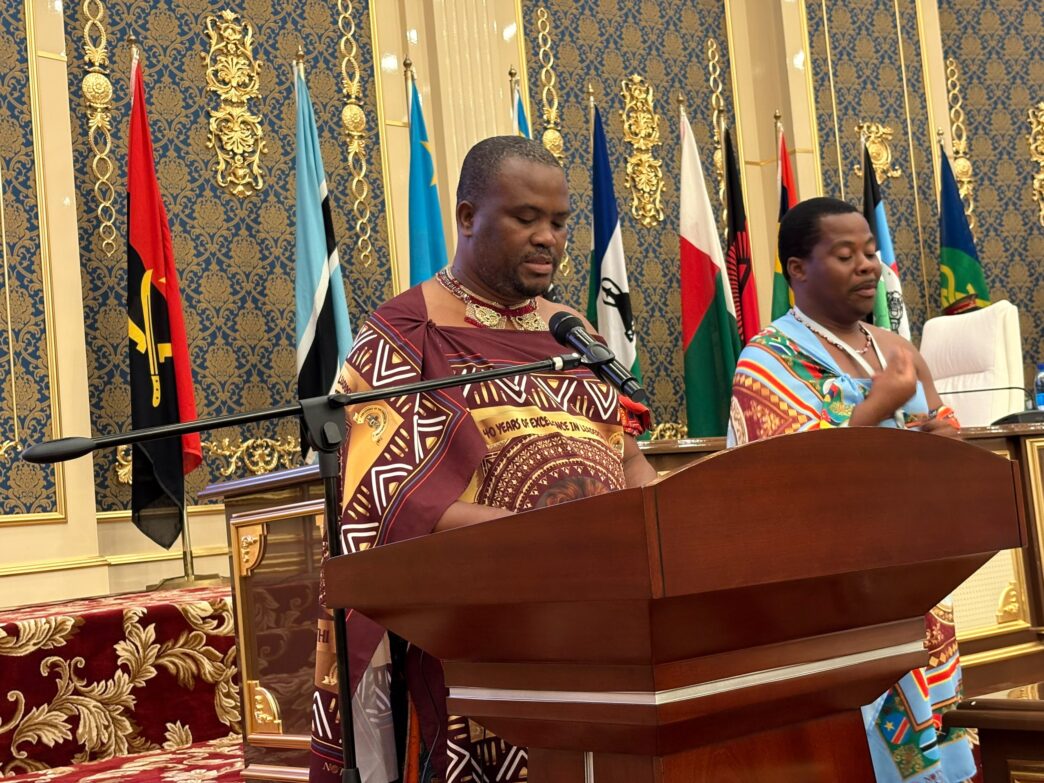
Acting Deputy Prime Minister, Sikhumbuzo Dlamini making remarks on behalf of the DPM Thulisile Dladla
Add a Comment
Keep Up to Date with the Most Important News