A significant part of the proposed increase relates to the cost of purchasing electricity, much of which is imported.
According to Tsabedze’s presentation, EEC’s revenue requirement stands at E4.68 billion for 2027/28 and E4.94 billion for 2028/29. These figures include a net under-recovery of E533.1 million over the two-year period. 
EEC’s application is based on the position that tariffs charged during the 2025/26 and 2026/27 financial years were below the actual cost of supplying electricity. The company is therefore seeking to move towards cost-reflective tariffs while recovering verified shortfalls.
However, the amounts submitted by the utility are subject to ESERA’s verification process, which includes examining audited financial results and determining whether the costs being claimed are justified.
Tsabedze explained that the revenue requirement framework works in both directions. Where a utility collects more revenue than it requires, the excess is deducted in the next tariff determination. Where it collects less than the approved revenue requirement, the regulator may consider allowing the shortfall to be recovered through future tariffs.
The presentation showed that electricity purchases account for the largest portion of EEC’s revenue requirement.
For 2027/28, electricity purchases represent 61% of the total, while network operations account for 24%. Recoveries make up 6%, return on investment and loan repayments account for 5%, and depreciation represents the remaining 4%.
The composition remains largely unchanged in 2028/29, with electricity purchases accounting for 61%, network operations 23%, recoveries 6%, return on investment 5% and depreciation 5%.
The figures illustrate the significant influence that electricity procurement costs have on the company’s overall financial requirements and, consequently, the tariffs paid by consumers.
Businesses and households face different proposed increases
The proposed adjustments are not uniform across customer categories, with some groups facing substantially higher increases than others.
For 2027/28, EEC is seeking a 14.95% increase in the demand charge, while corporate customers on both time-of-use and non-time-of-use tariffs face a proposed 20.46% adjustment.
Domestic customers are being considered for an increase of 22%, while lifeline customers face the highest proposed adjustment at 33.59%.
Fixed charges have been maintained in line with projected inflation, while the existing inclining block structure for lifeline customers has been retained.
The proposed 33.59% adjustment for lifeline customers is particularly significant, given that this category is designed to provide electricity at more affordable rates to indigent households.
Tsabedze acknowledged the sensitivity of the proposal, noting that affordability would be an important consideration in the regulator’s assessment. He recalled that ESERA had previously awarded a 6% increase for lifeline customers, considerably below the increase now being sought.
To strengthen its understanding of the financial pressure on consumers, ESERA is commissioning an electricity affordability study alongside a price-path study. A consultant will be appointed to assess what households and businesses can reasonably absorb and to help inform future tariff decisions.
Previous public submissions and their impact
Addressing concerns about whether public consultations produce tangible results, Tsabedze outlined several instances where stakeholder submissions had influenced regulatory decisions and ongoing interventions.
On tariff recoveries, he said EEC had previously applied to recover more than E200 million. ESERA approved E183 million but spread the recovery over five years, translating to approximately E36.7 million annually.
According to Tsabedze, recovering the entire amount at once would have resulted in a tariff increase of between 18% and 19%. The decision to spread the recovery was intended to limit the immediate impact on consumers.
Cross-subsidisation, another concern raised by businesses, is also receiving attention through a cost-of-supply study being undertaken with support from the World Bank.
The study is expected to establish the extent to which different customer categories subsidise one another. Business customers have previously questioned whether they are carrying an unfair share of the costs associated with supplying other categories.
On electricity connection charges, Tsabedze said ESERA had developed connection charge guidelines and standard connection charges. These are awaiting final review before being presented to Cabinet.
The regulator has also introduced measures aimed at making tariff information more accessible to the public. These include radio programmes, educational material on its website and shorter summaries of tariff documents in both siSwati and English.
The changes followed complaints that previous tariff presentations were too technical for ordinary consumers to understand.
Tsabedze further revealed that a framework for consumer advisory forums had been developed and had passed through the ESERA board, subject to a few outstanding issues. The forums are expected to be announced in the coming months.
On service delivery, he said the regulator monitors EEC against two standards covering quality of service and quality of supply, with performance results published quarterly. ESERA also engages the utility on areas requiring compliance improvements.
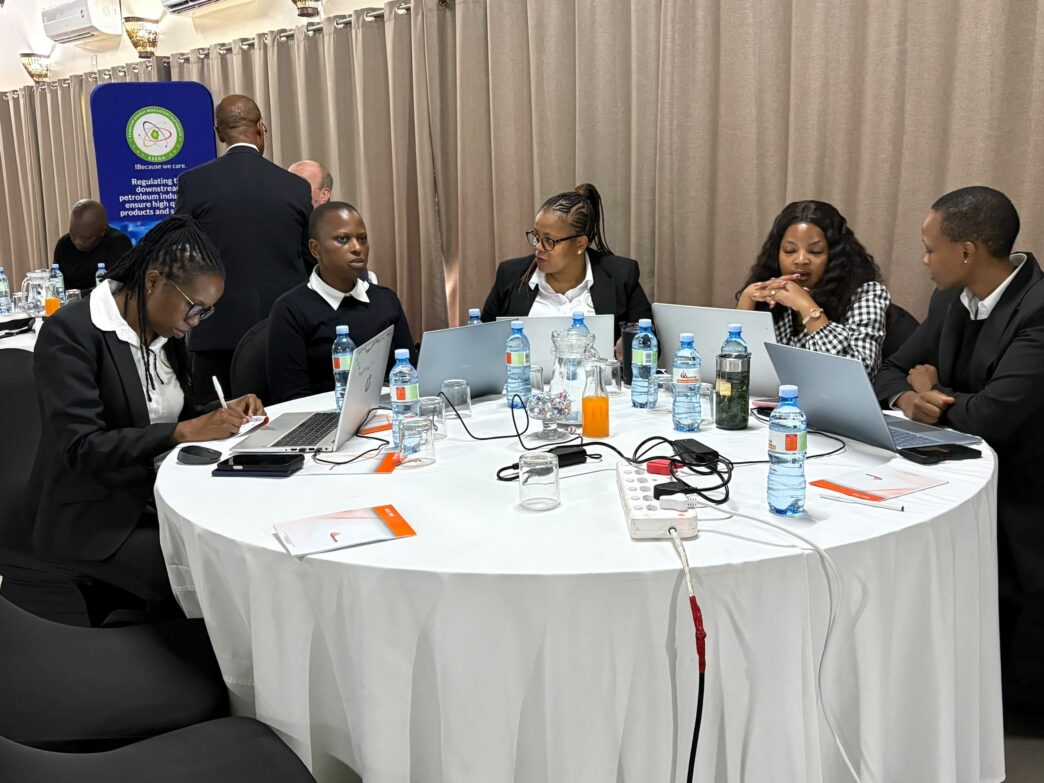
The consultation therefore presented stakeholders with an opportunity to examine not only the proposed tariff increases but also the assumptions, expenditure and recovery claims underpinning the application.
With the proposed adjustments still under consideration, the submissions received from consumers and businesses will form part of the evidence ESERA must weigh before arriving at its final decision.