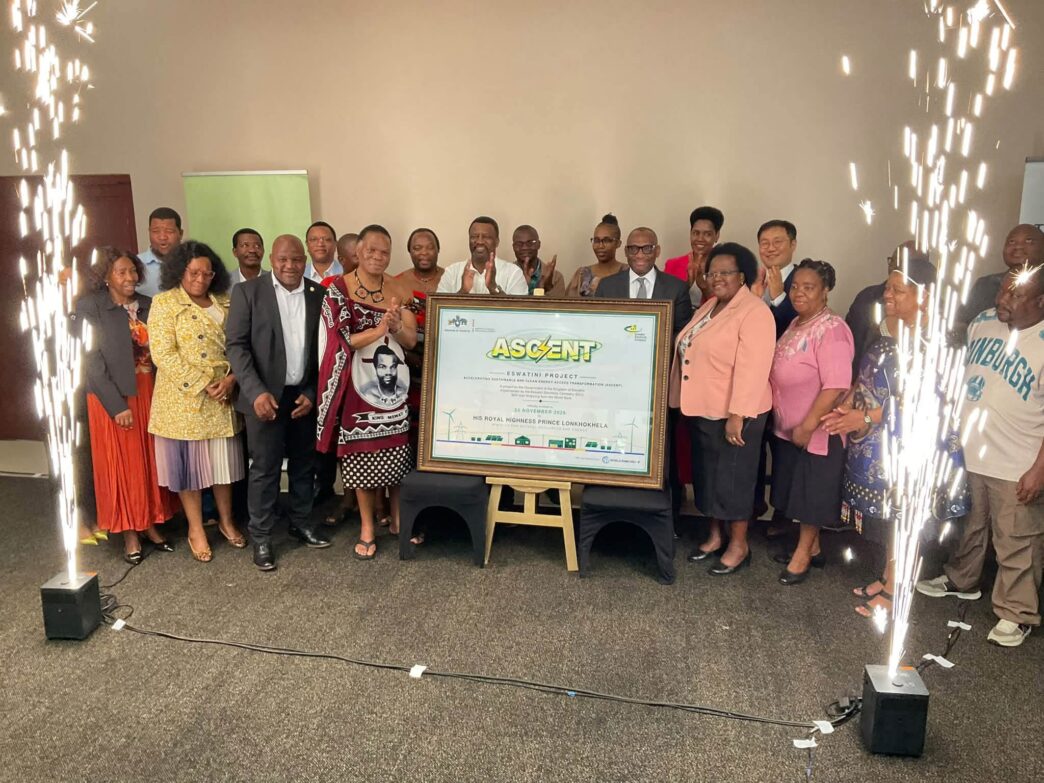
The government has launched a US$100 million (approximately E1.7 billion) electricity access project that aims to connect an additional 50 000 households by 2030.
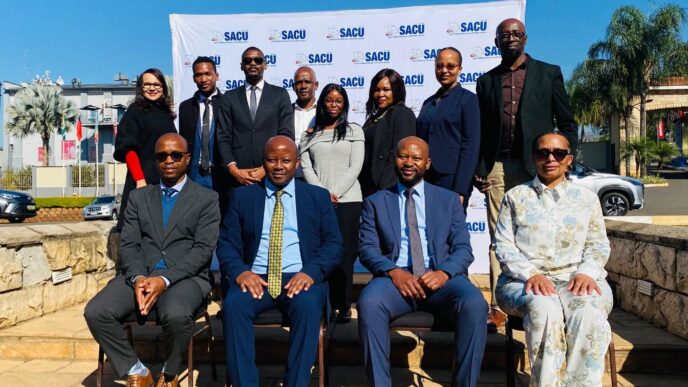
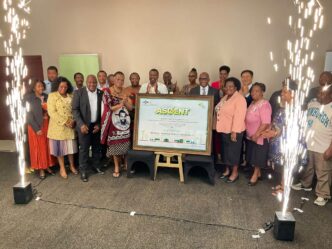
The Accelerating Sustainable and Clean Energy Access Transformation (ASCENT) Project, officially launched by the Minister for Natural Resources and Energy, HRH Prince Lonkhokhela, at the Royal Villas Hotel, has been given the SiSwati name Khanya Ngwane.
The initiative, supported by the World Bank Group, is expected to benefit approximately 200 000 people through expanded electricity infrastructure, household electrification and improved access to sustainable energy solutions. Speaking during the launch, the minister described the project as a significant milestone in the country’s development journey, reaffirming the Government’s commitment to translating His Majesty King Mswati III’s vision of a prosperous and developed Kingdom into tangible improvements in the lives of emaSwati.
He said the name Khanya Ngwane reflected the vision of bringing light, hope and sustainable energy access to communities across the country. The investment comes as Eswatini works to close its remaining electricity access gap, with national electricity access currently estimated at approximately 88%.
The project will focus on strengthening and expanding electricity infrastructure, accelerating household and public facility electrification through on-grid and off-grid solutions, and improving institutional capacity and future energy planning. It will also support the development of clean cooking strategies and the integration of gender considerations into the energy sector.
Beyond the expansion of electricity infrastructure, the Government has announced measures intended to ensure that more households benefit from the initiative, including those in urban areas who are unable to access electricity. Prince Lonkhokhela announced that the Rural Electrification Programme would be expanded under ASCENT to accommodate qualifying households in urban areas, recognising that electricity access challenges are not confined to rural communities.
The minister also announced a nationwide rollout of ready boards across all four regions of the country.
414 electrification schemes identified
Implementation of the first phase of the project is scheduled to commence in 2027, with 414 group schemes covering more than 15 000 households already identified across the four regions.
Providing an update on the implementation roadmap, Prince Lonkhokhela said the Ministry would issue funding confirmation letters to the identified schemes following the launch. The Eswatini Electricity Company (EEC), which will implement the project, has already commenced the revision and scoping of works in the respective communities.
Procurement processes for material suppliers, electrical contractors and survey contractors are also underway. During the first quarter of 2027, EEC will conduct customer education programmes to prepare beneficiaries for the electrification process.
Environmental assessments and line surveys will also be undertaken, with construction works expected to begin before the end of the second quarter of 2027.
The ministry will continue identifying communities for electrification to ensure the overall target of connecting 50 000 additional households by 2030 is achieved.
Meanwhile, EEC is finalising the onboarding of a consultant to assist with the design of the off-grid electrification scheme. The off-grid component is expected to cater for approximately 15 000 households that cannot be connected through the existing EEC electricity infrastructure.
Electricity access to drive economic growth
Prince Lonkhokhela said the success of ASCENT should not be measured solely by the number of electricity connections achieved, but also by the positive difference the initiative makes in people’s lives.
He emphasised the need to ensure that expanded electricity access translates into improved livelihoods, productive economic activities and employment opportunities.
The minister called for stronger links between electrification and productive sectors such as agriculture, manufacturing, tourism and small and medium enterprises.
He said the benefits of the project should extend to women, young people, persons with disabilities and vulnerable households, ensuring that no one was left behind.
Keep Up to Date with the Most Important News