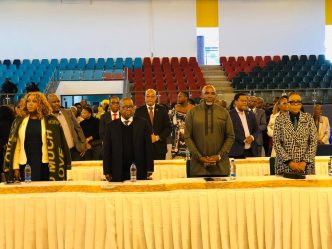
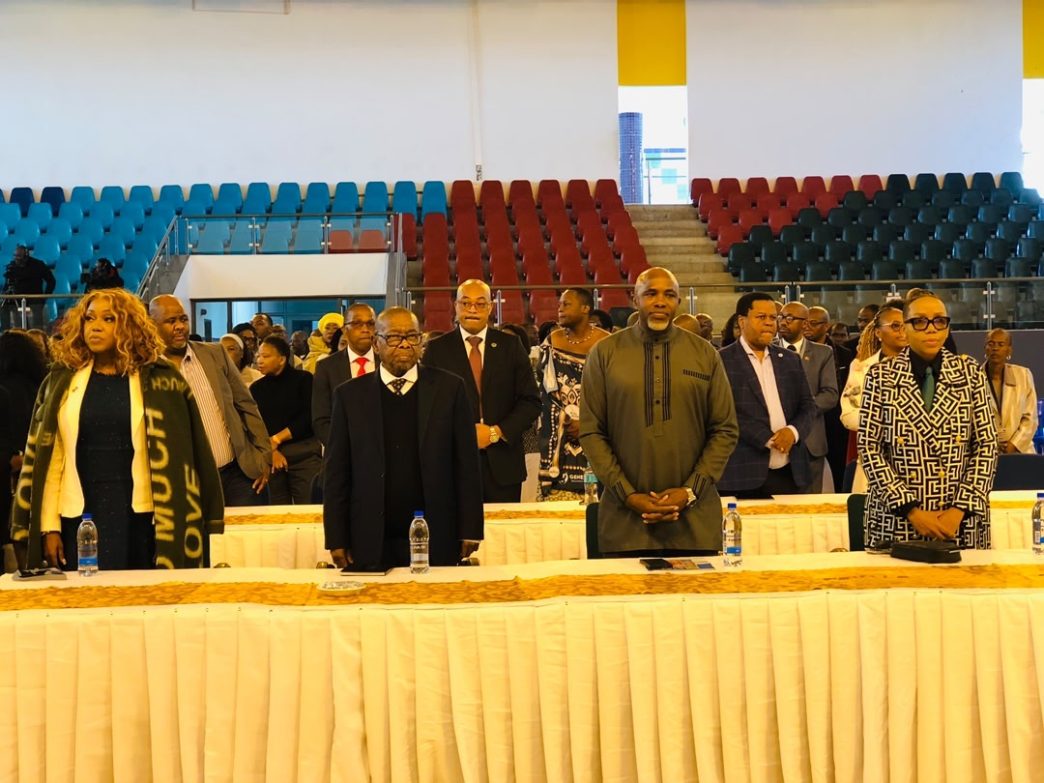
Government is stepping up efforts to increase the participation of young people and women in science, technology, engineering and mathematics (STEM), with new initiatives extending into the field of space science.
Speaking during the launch of National Science Month 2026 at the University of Eswatini Sports Emporium on Monday, Minister of Information,
Communications and Technology Savannah Maziya described the country’s youth as its most valuable resource in achieving future technological and economic growth. 
With more than 70 per cent of the population under the age of 35, Maziya said young people would be central to Eswatini’s transformation into an innovation-driven economy.
“The next generation of scientists, software developers, engineers and entrepreneurs is already among us in our classrooms, lecture halls and innovation centres,” she said.
“Our responsibility is to create an environment where their ideas can flourish, where innovation is encouraged and where talent is transformed into opportunity.”
The Minister also emphasised the need to ensure women are fully included in the country’s digital transformation journey.
As Global Chair for Sustainable Development Goal 5 on Gender Equality, Maziya said increasing the participation of women and girls in STEM remained one of her priorities.
Among the initiatives already underway, she revealed that 108 young women have been enrolled in the Shakthisat Space Science Programme, which aims to expose participants to careers and opportunities in the space science sector.
She further disclosed that government, with support from South Africa, is progressing plans to establish a national space science unit.
Maziya said collaboration between Eswatini and South Africa had already contributed to the establishment of institutions aimed at strengthening scientific research and innovation, including Women in Science,
Engineering and Technology (WISET), the Kingdom of Eswatini Academy of Sciences and the Eswatini Young Academy of Scientists.
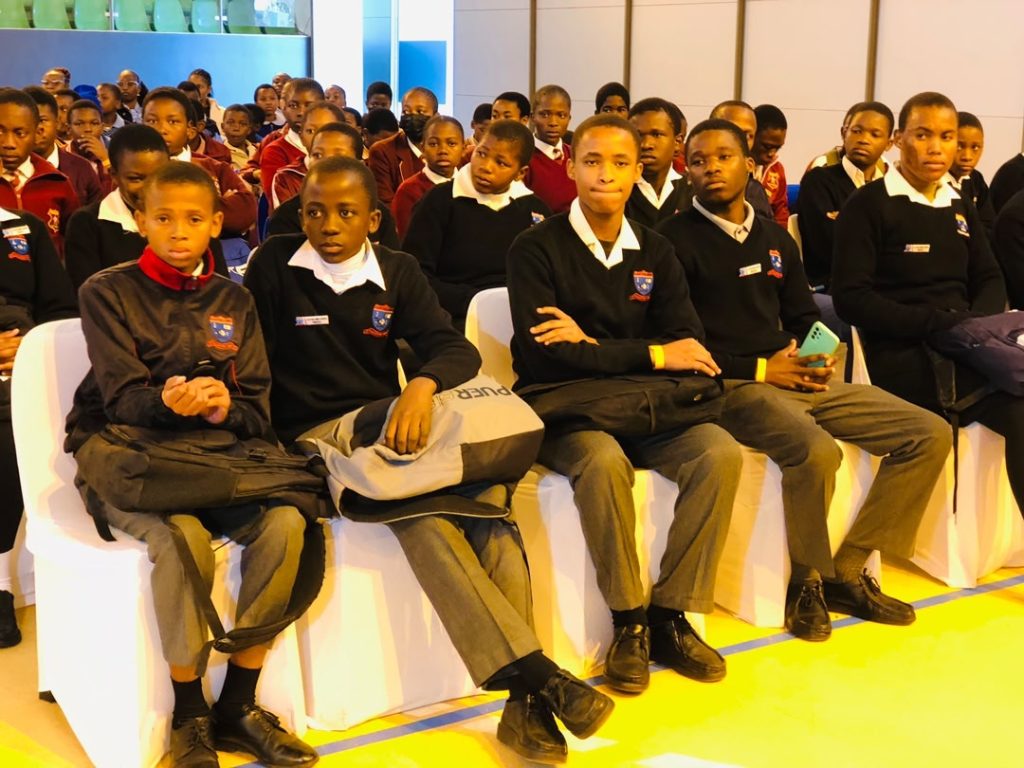
She said National Science Month provides an important platform to inspire learners and young innovators to pursue careers in science and technology while contributing to national development.
The week-long programme is expected to engage more than 3,000 participants across the country through exhibitions, discussions and innovation-focused activities aimed at promoting STEM education and digital transformation.