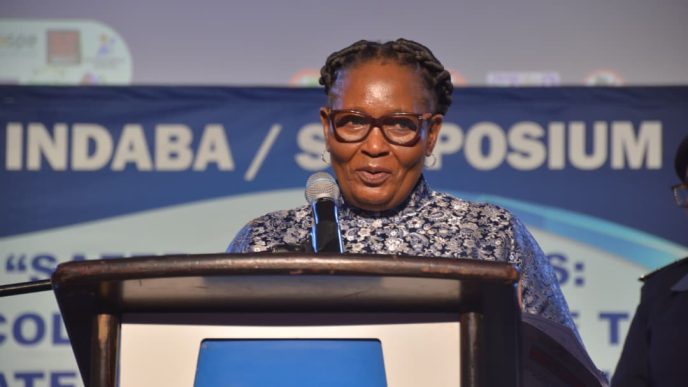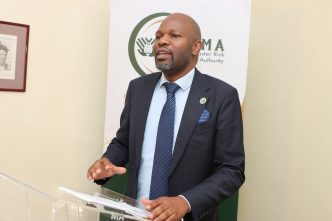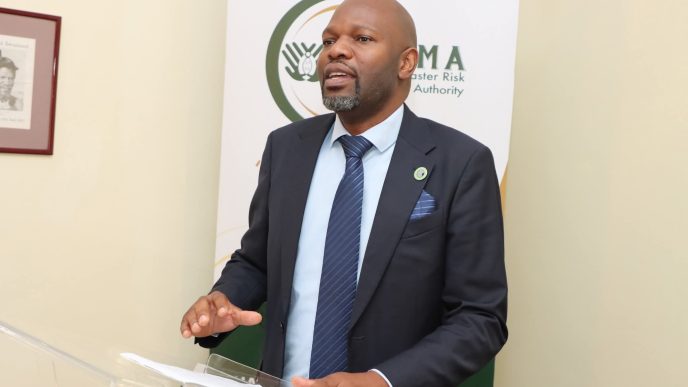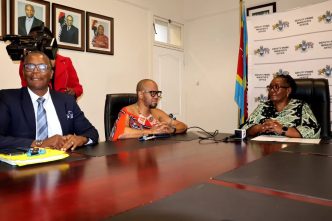

Eswatini’s commitment to universal access to clean water, sanitation and hygiene (WASH) services for children has been reaffirmed by Deputy Prime Minister Thulisile Dladla,
who says the country is making measurable progress but still faces critical gaps, particularly in rural and vulnerable communities.
Speaking during the International Day of the African Child, Dladla framed the 2026 commemoration as both a reflection on achievements and a renewed call to action to ensure that no child is left behind in access to essential services. 
She began by grounding the significance of the day within the broader African child rights agenda, stating that it remains a reminder of ongoing responsibilities across the continent.
This year’s African Union theme focuses on ensuring universal access to water, sanitation and hygiene for every child in Africa. In Eswatini, the theme has been localised to reflect national priorities,
with a specific emphasis on inclusivity, particularly for children with disabilities.
Dladla explained that the country’s interpretation of the theme goes beyond infrastructure delivery and speaks to broader issues of equality and dignity.
She said the commemoration should not be seen as symbolic, but rather as a reaffirmation of collective responsibility.
The Deputy Prime Minister outlined what the government describes as notable progress in expanding access to water and sanitation services across the country.
According to figures shared during her address, approximately 80 per cent of the population now has access to basic water services, while 58 per cent have access to basic sanitation services.
She also highlighted the impact of government-led social infrastructure programmes, particularly those targeting vulnerable households.
Dladla said that from 2024 to date, government has constructed at least 300 houses equipped with decent toilets and 500-litre water tanks for child-headed homesteads and vulnerable families.
These interventions, she noted, are implemented under the government’s Decent Shelter Programme, coordinated through her office.

She further pointed to improved coordination of WASH initiatives across communities, schools and health facilities, aimed at ensuring children have access to essential services in all environments where they live, learn and access healthcare.
Despite progress, Dladla acknowledged that significant challenges remain, particularly in rural sanitation coverage and hygiene practices.
“However, gaps still exist, particularly sanitation in rural areas, with 11 per cent open excretion rates and poor hand-washing practices,” she said.
The DPM warned that inadequate sanitation continues to present serious public health risks, especially for young children.
“Inadequate sanitation facilities continue to pose grave health risks, particularly for children under five years of age, who are most susceptible to waterborne disease,” she said.
She also raised concern over inequality in access to appropriate facilities, noting that children with disabilities are often excluded due to infrastructural limitations.
“Suitable sanitation facilities for children with disabilities are also inadequate,” she said, highlighting the need for inclusive design in future development.
Dladla further drew attention to the unequal burden faced by children living in child-headed households and those in remote chiefdoms, saying they remain among the most affected by WASH deprivation.
These groups, she implied, continue to experience structural disadvantages that require targeted intervention beyond general national programmes.
The Deputy Prime Minister also connected Eswatini’s efforts to global development commitments,
particularly Sustainable Development Goal 6, which focuses on ensuring availability and sustainable management of water and sanitation for all by 2030.