Eswatini is now within reach of a major water security breakthrough.
The Luphohlo-Mbabane Water Supply Project, launched during the 2016 drought, has reached 75 per cent completion and is set to deliver a more reliable water supply for Mbabane and the Ezulwini Corridor once final works are done.
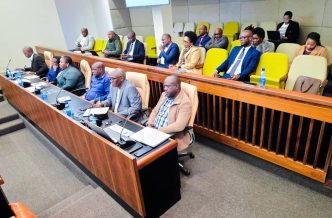
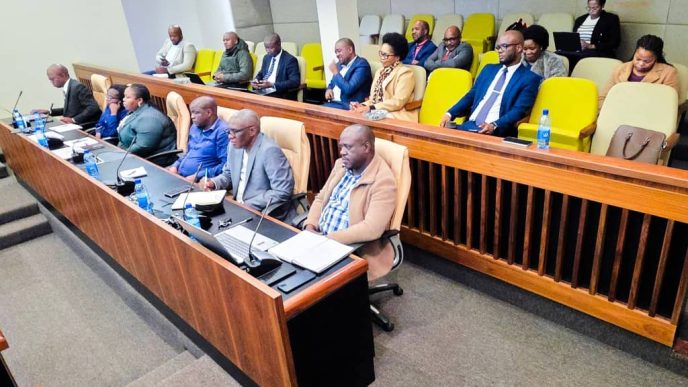
Eswatini Water Services Corporation Director of Technical Services Bongani Mdluli has told the Public Accounts Committee that about E76 million of the original E78 million allocation has been used to build key infrastructure on the ground. Only E1.6 million remains from the initial grant.
To finish the project, officials estimate E124.5 million in total will be needed, meaning an additional E46.5 million is required to complete the last phase. 

Mdluli said the timing makes the project even more valuable. With weather forecasts pointing to possible drought conditions this year, the pipeline is expected to strengthen water security for thousands of residents, hotels, and businesses in the capital and surrounding areas.
EWSC says the Luphohlo-Mbabane pipeline will boost water security for the capital and Ezulwini Corridor
“The project has now reached approximately 75 per cent completion. To date, about E76 million has been utilised, leaving a balance of E1.6 million. To complete the project, a total of E124.5 million is required,” Mdluli told members of parliament.
He stressed that substantial progress has already been achieved. Pump housing facilities and other critical components needed to deliver water to consumers are in place.
Once the final works are completed, the new supply line will provide an alternative source for Mbabane, reducing pressure on existing dams and systems during dry periods.
The project was first conceived in 2016 when severe drought left parts of Mbabane without running water.
The experience showed how vulnerable the capital’s supply was. The Luphohlo-Mbabane pipeline was designed as the answer: a second source that could keep taps flowing even when rainfall is low.
The Ministry of Natural Resources and Energy confirmed that discussions are underway on how to secure the additional funding needed to complete construction.
Officials said the investment is justified because the project directly supports economic growth.