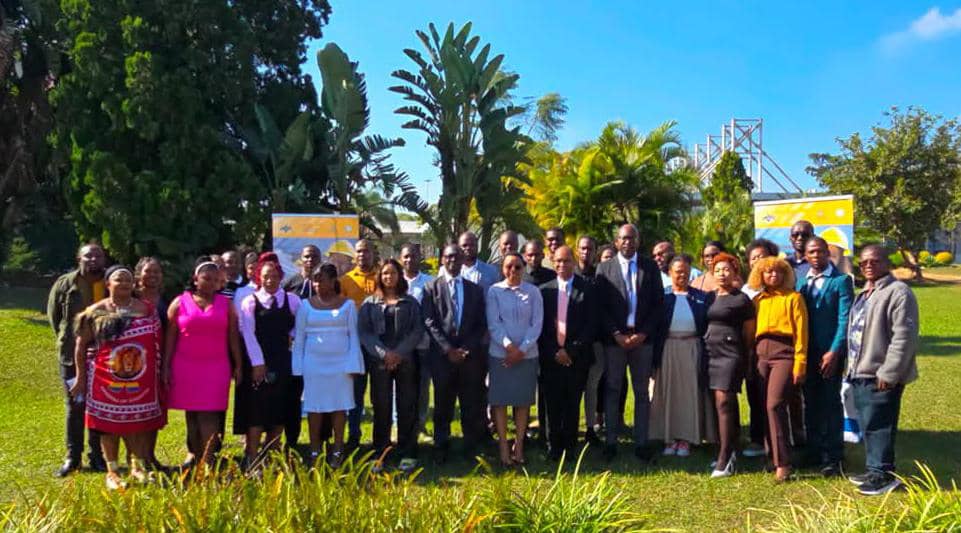
Eswatini has taken another significant step towards strengthening its clean energy sector following the graduation of 26 participants from the second cohort of the Capacity Building Programme in Community Minigrid Development,
an initiative designed to build local expertise in renewable energy and expand electricity access to underserved communities.
The programme is implemented through a partnership between the Eswatini Energy Regulatory Authority (ESERA) and the University of Eswatini (UNESWA) under the Africa Minigrids Program (AMP),
which seeks to accelerate the deployment of sustainable off-grid energy systems across the continent.
The latest graduates completed intensive training covering renewable energy systems, community minigrid development, project design, financing and the application of Artificial Intelligence (AI) in energy planning and optimisation. 
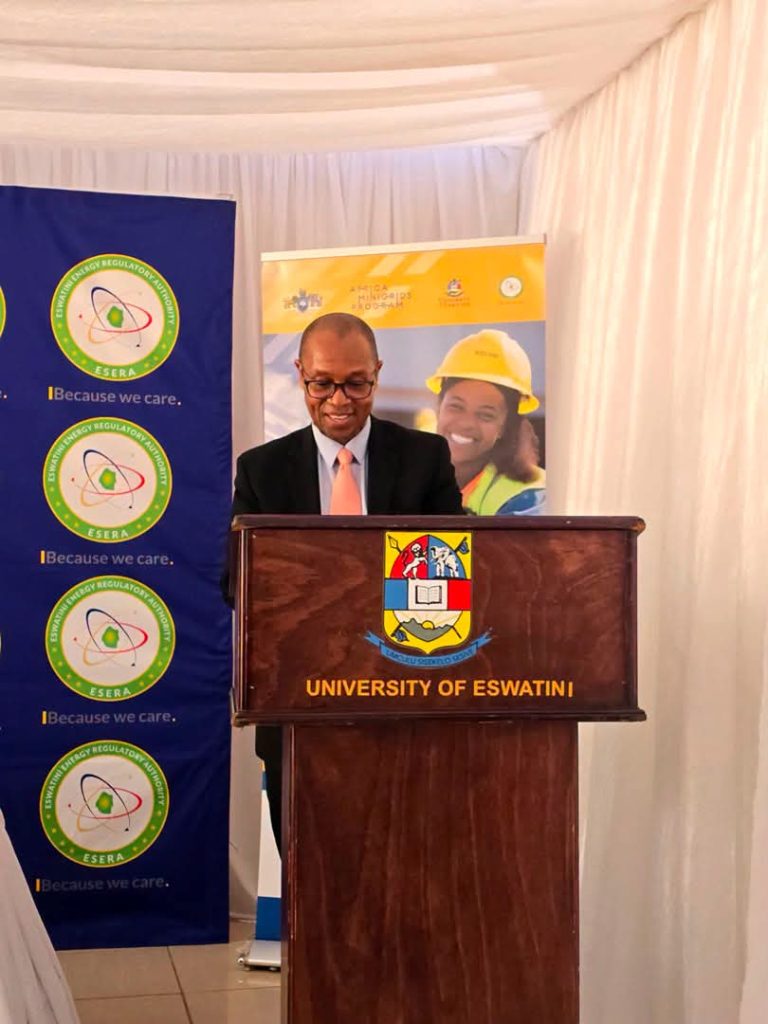
The programme aims to bridge the country’s green skills gap while preparing professionals to support Eswatini’s transition to sustainable energy.
Addressing the graduation ceremony, ESERA Chief Executive Officer Skhumbuzo Tsabedze congratulated the graduates on their achievement, saying the country needed skilled professionals capable of driving the renewable energy agenda.
“This programme is about building a generation of energy professionals who will drive Eswatini’s clean energy future. We encourage you to take these skills forward and continue developing through ESERA’s Solar PV Installer Accreditation Programme,” said Tsabedze.
He said the knowledge acquired through the programme would play an important role in expanding access to affordable and reliable electricity while contributing to the country’s long-term energy security.
A notable addition to the second cohort was an AI-enhanced finance module delivered through the University of Eswatini’s AI Academy.
The module equips participants with advanced skills in financial modelling, investment readiness, grant proposal development and data-driven energy planning, further strengthening their ability to deliver sustainable energy projects.
The programme also attracted strong international participation, enrolling more than 100 students, including 21 participants from South Africa,
Kenya, Nigeria, Namibia, Malawi, Tanzania, Ghana, the United States of America and Nepal.
Training was delivered through a blended learning model combining online and face-to-face sessions, with modules covering minigrid design parameters, load forecasting and productive energy use management.
Director of the Centre for Sustainable Energy Research (CSER) at UNESWA, Dr Gcina Mavimbela, said the programme was helping to build the technical capacity required to develop and operate community minigrids across the country.
“This training equips participants with the technical skills needed to develop and manage community minigrids. It is a key step towards expanding access to clean, reliable and sustainable energy in underserved areas,” he said.
The Capacity Building Programme forms part of the broader Africa Minigrids Program,
which focuses on strengthening technical expertise, promoting innovative financing models and supporting the expansion of renewable energy solutions throughout Africa.
The initiative is supported by the Global Environment Facility (GEF), led by the United Nations Development Programme (UNDP), and implemented in partnership with the Rocky Mountain Institute (RMI). In Eswatini, implementation is coordinated by the Ministry of Natural Resources and Energy through ESERA.