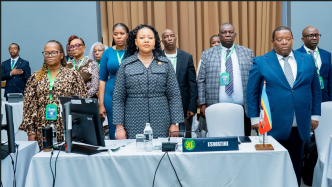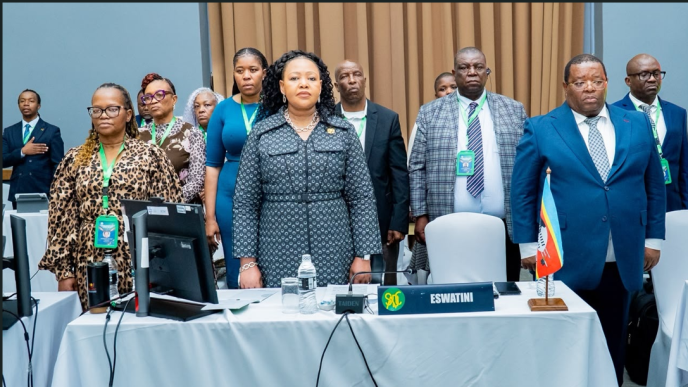
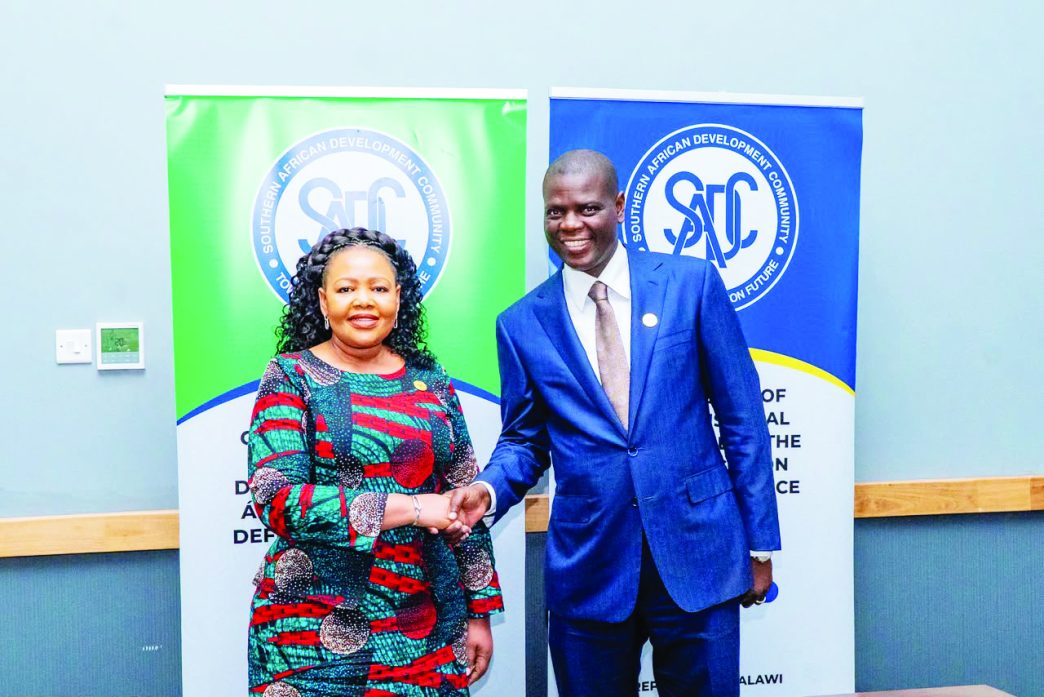
The Kingdom of Eswatini and the Republic of South Africa have reaffirmed their commitment to strengthening bilateral relations and advancing regional cooperation following high-level talks held on the sidelines of the 28th Meeting of the Southern African Development Community (SADC) Ministerial Committee of the Organ (MCO) on Politics, Defence and Security Cooperation in Lilongwe, Malawi.
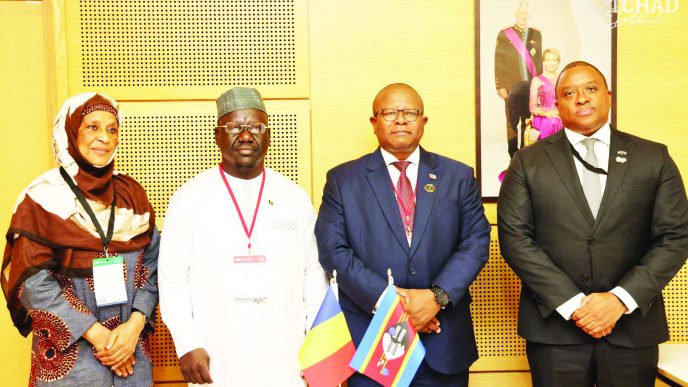
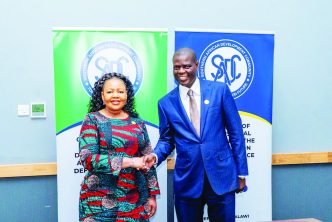
The bilateral meeting brought together Eswatini’s Minister of Foreign Affairs and International Cooperation, Senator Pholile Shakantu, and South Africa’s Minister of International Relations and Cooperation, Ronald Lamola, who is also the Chairperson of the SADC Council of Ministers.
The discussions formed part of a series of engagements taking place alongside the regional ministerial meeting, 
where leaders are reviewing political, peace and security issues affecting Southern Africa while also seeking to strengthen cooperation among member states.
During the meeting, the two ministers reaffirmed the longstanding relationship between Eswatini and South Africa,
describing the two neighbouring countries as partners linked not only by geography but also by deep historical, cultural and economic ties.
Central to the discussions was a shared commitment to revitalising the Joint Bilateral Commission for Cooperation (JBCC),
a structured mechanism designed to facilitate cooperation across multiple sectors while providing an institutional platform for addressing issues of mutual interest.
The ministers agreed that formal engagements under the commission should resume, noting that the framework remains an important instrument for enhancing collaboration and ensuring sustained dialogue between the two governments.
The resumption of the JBCC is expected to create opportunities for regular consultations, improved policy coordination and stronger implementation of bilateral initiatives in areas critical to both countries.
Among the issues discussed were migration management, border security, tourism promotion, cultural diplomacy and trade facilitation, all of which were identified as priority areas requiring closer collaboration.
The ministers stressed that migration systems should support orderly and lawful movement of people travelling for employment, education, tourism, cultural exchanges and other legitimate purposes while ensuring that border management remains effective.
They noted that an effective Joint Bilateral Commission for Cooperation would provide a predictable mechanism for continuous engagement,
allowing both governments to monitor progress on agreed initiatives while identifying new opportunities for collaboration.
The commission would also help align bilateral programmes with broader regional priorities under the Southern African Development Community and the African Union.