The United States has reaffirmed its commitment to supporting Eswatini and the East, Central and Southern Africa (ECSA) region in building stronger, more sustainable health systems capable of responding to future public health challenges.
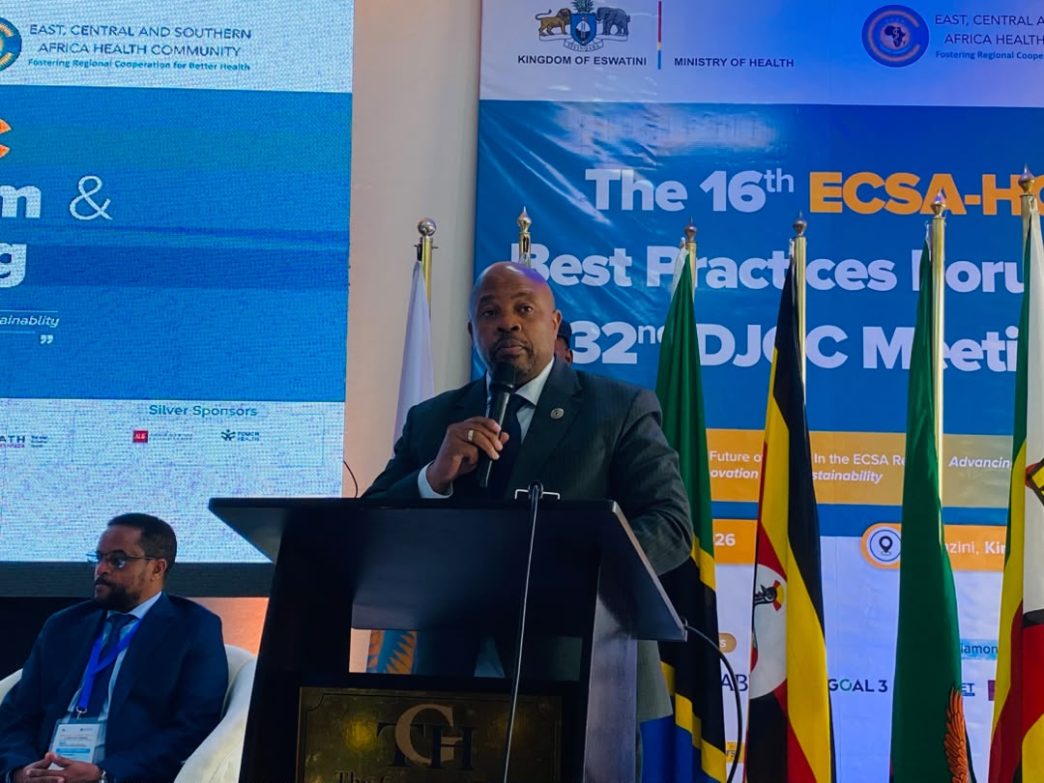
Speaking during the opening of the 16th ECSA Health Community (ECSA-HC) Best Practices Forum and the 32nd Directors Joint Consultative Committee (DJCC) Meeting in Manzini,
the Head of the Office of Foreign Assistance at the United States Embassy in Eswatini, Kristine Clark, said the region had reached a critical point where countries must transition from emergency responses to long-term health system resilience.
Clark commended the Government of Eswatini, the Ministry for Health and ECSA-HC for convening the regional forum, saying this year’s theme,
“Shaping the Future of Health in the ECSA Region: Advancing Health Security, Innovation and Sustainability,” reflected the discussions needed to address the region’s evolving health priorities.
She said countries across the region were increasingly focusing on strengthening health systems, 
improving preparedness and moving away from traditional donor-recipient relationships towards partnerships based on shared responsibility and country ownership.
Clark described Eswatini as a leading example of what could be achieved through sustained commitment and collaboration, noting that the country had become a global leader in the fight against HIV.
“The United States recognises the enormous progress Eswatini has made, particularly as the global leader in the HIV response.
That progress reflects sustained leadership by the Government, health workers, communities, civil society, researchers and partners working together over many years,” she said.
She highlighted the signing of a five-year, US$242 million (E3.9 billion) health Memorandum of Understanding between the governments of Eswatini and the United States last year, describing it as a milestone in strengthening cooperation between the two countries.
According to Clark, the agreement focuses on strengthening public health data systems, modernising disease surveillance and outbreak response,
expanding access to highly effective HIV prevention tools, including lenacapavir, and supporting the transition of health programmes to full Government of Eswatini ownership.
She said effective health security depended on countries’ ability to detect disease outbreaks early, respond rapidly and prevent health emergencies from escalating into regional or global crises.
Clark stressed the importance of investing in reliable surveillance systems, laboratories, supply chains, trained health workers and quality health information systems.
She also underscored the growing role of innovation, particularly artificial intelligence, in strengthening health systems.
Clark said countries across the region were already collecting significant amounts of health data through hospitals, laboratories, surveillance systems and community health programmes.
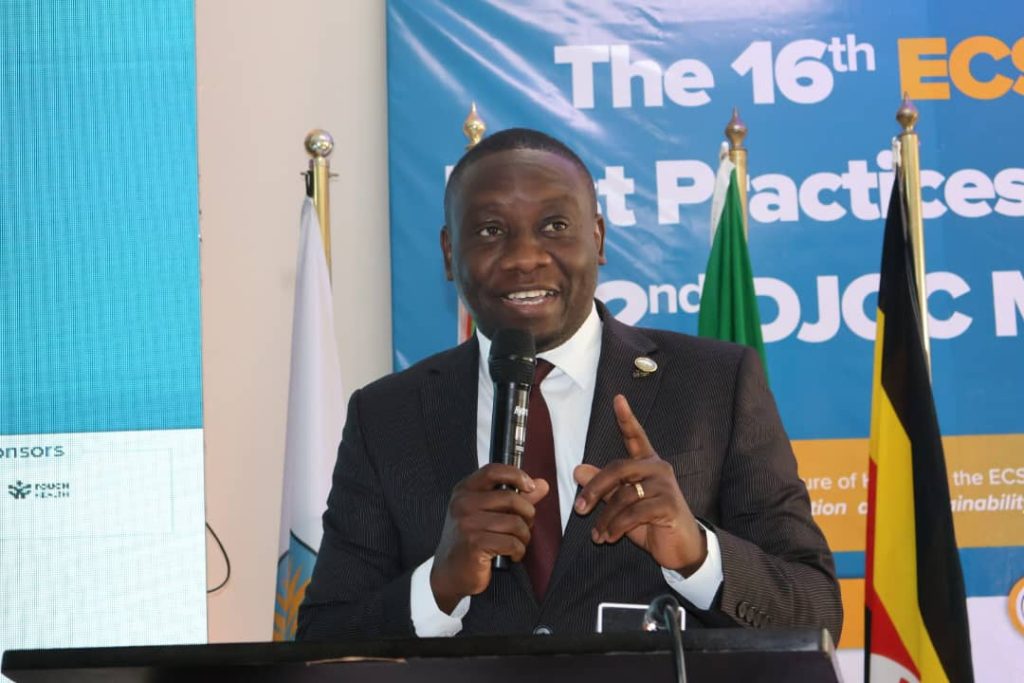
The challenge, she said, was integrating that information to improve planning, accelerate decision-making and strengthen emergency responses.
She encouraged governments to embrace emerging technologies, including artificial intelligence, to analyse health information more efficiently while ensuring such technologies were used responsibly and ethically.
“Artificial intelligence will not replace the leadership of health workers, policymakers or communities, but when used responsibly it can strengthen the systems they depend on,” she said.
Clark further emphasised that sustainability should be built into every health partnership from the outset, noting that the US-Eswatini health agreement reflected a shift towards shared investment, accountability and government ownership.
She said the approach was relevant not only for Eswatini but for all countries in the ECSA region as they worked towards developing resilient health systems capable of meeting both current and future health needs.
Clark reaffirmed that the United States would continue supporting Eswatini and other countries in the region by investing in health workers,
essential health commodities and resilient systems that improve health security, strengthen economies and protect communities.
She expressed hope that the forum would produce practical recommendations, stronger regional partnerships and innovative solutions to advance health security, innovation and sustainability across East, Central and Southern Africa.