
Connectivity is no longer simply about buying the cheapest gigabyte. It is about what people, businesses and communities are able to achieve because they remain connected when it matters most.
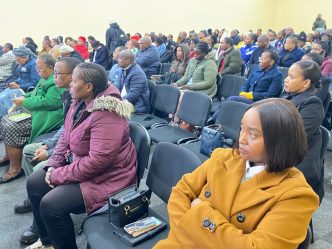
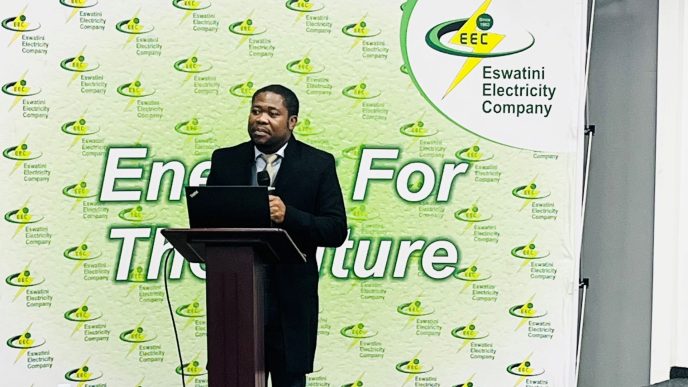
That powerful message dominated The Value of Connectivity panel discussion held at Hilton Garden Inn, Mbabane, on Friday.
Bringing together business leaders, media personalities, digital creators and technology experts, the discussion challenged the traditional belief that value in telecommunications is measured only by the price of data. 
Instead, panellists argued that reliability, speed, uptime and meaningful outcomes define the true value of connectivity, echoing themes explored in the background paper for the event.
The roundtable discussions were hosted by PR and Brand Network, a regional marketing and communications agency.
Facilitated by PR and Brand Specialist Libe Mohale, the lively discussion featured Khetsiwe Dlamini of Red Note Africa,

digital influencer and content creator Bonkhe Tadam, Bonginkhosi from SS Tracking, Direct UPS Managing Director Behlule Dlomo and UNESWA FM presenter and student Asakhona Dlamini.
For Bonginkhosi, connectivity has transformed fleet management and logistics.
“Our clients want to know where their vehicles and goods are at every moment, whether they are safe and whether there are any problems developing.
Connectivity allows us to detect faults before they become costly breakdowns. That means lower operating costs, improved safety and peace of mind.”
He said businesses increasingly depend on real time monitoring instead of reacting after problems occur.
“Doing it right the first time saves money. Reliable connectivity reduces downtime, improves turnaround times and keeps businesses moving.
Poor connectivity is expensive because every minute lost affects productivity.”
He added that modern businesses no longer rely only on people.
“As companies grow, systems begin telling you what is happening even before someone picks up the phone.
Connectivity is becoming part of the business infrastructure.”
Managing Director of Direct UPS, Behlule Dlomo, said reliable connectivity has become essential in the renewable energy sector.
“Our solar systems are connected, allowing us to monitor battery health and system performance remotely.
We can identify faults before customers even notice them, reducing downtime and improving service delivery.”
He said technology has also changed how he manages several businesses.
“I can communicate with family, suppliers, staff and clients through Teams, Zoom and other digital platforms regardless of where I am. Connectivity removes geographical barriers and creates opportunities across different time zones and markets.”
Khetsiwe Dlamini said connectivity has turned Eswatini into part of a truly global community.
“We are no longer limited by geography. An event taking place in Eswatini can immediately become a global conversation.
People interact with us from different countries in real time.”
Having studied on three continents, she said reliable connectivity had made international learning and collaboration easier than ever.
“It allows us to exchange ideas, build professional networks and access knowledge from across the world without leaving home.
We become global citizens while still contributing locally.”
She said connectivity also empowers entrepreneurs, creatives and young professionals to showcase Eswatini to international audiences.
For broadcaster and student Asakhona Dlamini, connectivity is central to both education and the future of broadcasting.
“As students we depend on fast, reliable internet for research, online learning and artificial intelligence tools. Delays or unreliable connections waste valuable time.”
She said connectivity also enables broadcasters to benchmark internationally.
“We are able to listen to radio stations around the world, learn new presentation styles and bring fresh ideas back to UNESWA FM.
It keeps us informed, improves our programmes and helps us stay relevant.”
She described reliable connectivity as the difference between confidence and frustration.
“In broadcasting, frozen video calls, buffering and interrupted meetings can mean missed opportunities. Connectivity must be quick, reliable and always available.”
Digital influencer Bonkhe Tadam said connectivity has been the foundation of her personal brand and entrepreneurial journey.
“It has allowed me to build my brand, grow my audience and connect with people beyond Eswatini. Everything happens instantly.
At the click of a button, I can communicate, promote my work and inspire others.”
He argued that today’s creator economy is built on relationships rather than technology alone.

“Connectivity is currency because people buy from people they emotionally connect with.
Without connectivity many young entrepreneurs simply would not have businesses.”
He encouraged aspiring creators to remain authentic.
“The future belongs to creators who tell genuine stories, continue learning and build their own unique voices instead of copying others.”
The discussion repeatedly returned to one challenging question.
Is value measured by the price of a gigabyte, or by what uninterrupted connectivity enables people to achieve?
Panellists agreed that network reliability, speed and uptime ultimately save far more money than cheaper data bundles that fail when people need them most.
A dropped Teams meeting with an important client, a failed digital payment, interrupted online learning or buffering during a crucial business presentation could all cost far more than the savings from buying cheaper data.
The panel noted that the Covid 19 pandemic permanently changed how people work, study and do business, making dependable connectivity an essential part of everyday life rather than a luxury.
They also highlighted the importance of expanding reliable connectivity into rural communities, saying digital access has become a great equaliser.
A small business owner selling products from a rural village can now compete with businesses in urban centres through ecommerce, social media and artificial intelligence powered tools.
The discussion concluded that Eswatini’s digitally savvy youth stand to benefit enormously from improved connectivity through entrepreneurship, podcasting, content creation, innovation and participation in the global digital economy.
The message from the panel was clear. The future belongs not to those with the cheapest data, but to those with connectivity that consistently works.
Because in today’s economy, reliability is affordable, downtime is expensive, and opportunity is always connected.
Libe summarised the conversation by emphasising that emaSwati and the rest of our African communities need to invest in reliable, efficient, connectivity for growth, mobilisation enablement of their projects, whether in a academia or business.
“The cost of cheap Internet is actually higher than we may think.”