Eswatini has been urged to turn its commitment to disability inclusion into action by ensuring that resources are deliberately allocated to meet the needs of persons with disabilities.
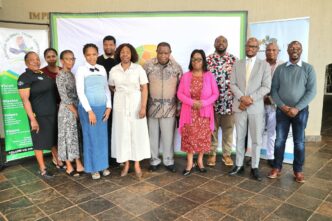
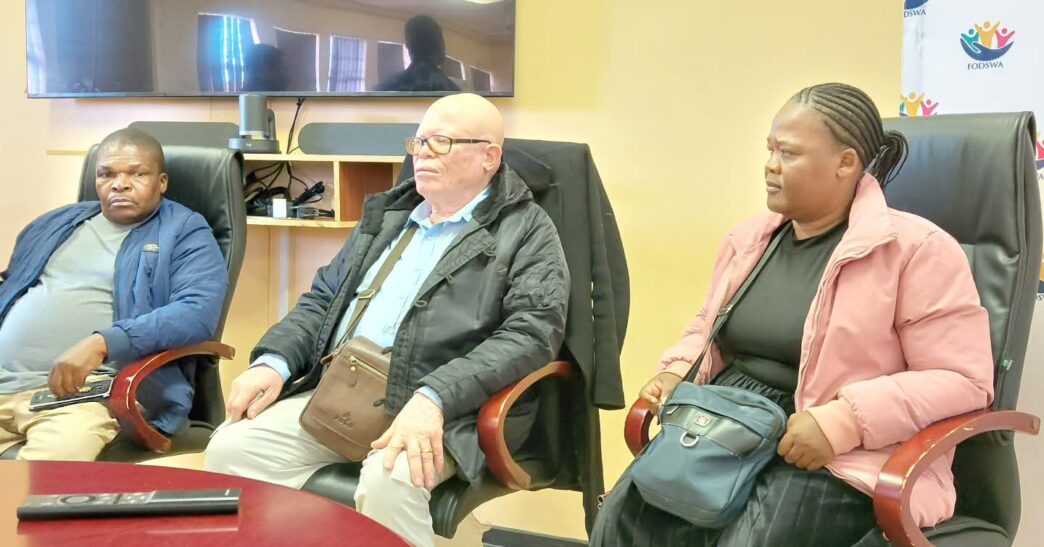
The call was made during a communications officers’ engagement convened by the Deputy Prime Minister’s Office (DPMO), in partnership with the Eswatini National Commission for UNESCO and Organisations of Persons with Disabilities (OPDs), at Gwamile VOCTIM in Matsapha on Tuesday.
The engagement brought together communications officers from ministries, departments and agencies to discuss the Costed Eswatini National Disability Action Plan (2024–2028). 
The plan, recently launched by Deputy Prime Minister Thulisile Dladla, places budgeting at the centre of disability inclusion, emphasising that meaningful development must ensure that vulnerable members of society are not left behind.
Advisor Chair Dr Ngcebo Mbuli said communications officers had an important role to play in ensuring that the plan was properly understood and translated into action within their respective institutions.
Mbuli said communications officers should not only communicate the contents of the plan, but should also influence discussions around budgeting and ensure that disability inclusion becomes part of institutional planning.
The engagement also heard that Eswatini was among the countries that had ratified the United Nations Convention on the Rights of Persons with Disabilities (UNCRPD).
Memory Zulu from the UNESCO Regional Office said Eswatini was also among the few countries to have developed a costed national disability action plan.
She said the costing of the plan was significant because it provided a basis for linking disability commitments with actual financial resources.
Zulu proposed that government introduce a tracking system to monitor disability-related budgeting across both the public and private sectors.
Such a system, she said, would help establish whether commitments to disability inclusion were being backed by resources and implemented as intended.
She further called on OPDs to take a more active role in national budgeting processes.
Zulu said the participation of persons with disabilities and their representative organisations was important in ensuring that budgets responded to the realities faced by the people they were intended to serve.
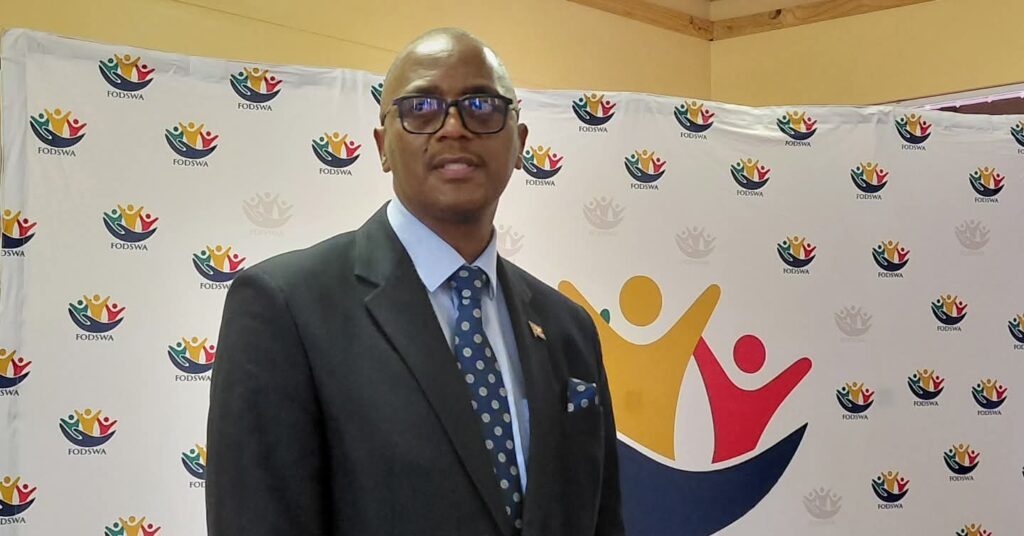
DPMO Undersecretary Makhosi Simelane reaffirmed government’s commitment to advancing the rights and welfare of persons with disabilities.
Simelane assured stakeholders that government remained committed to ensuring that policies and legislation aimed at protecting and promoting the rights of persons with disabilities were fully implemented.
However, OPDs used the engagement to highlight the gap between policy commitments and the realities experienced by persons with disabilities in their daily lives.
Representatives shared experiences of discrimination and other challenges that continue to limit their participation in society.
They called for stronger information and education campaigns aimed at changing societal attitudes and addressing misconceptions surrounding disability.
The organisations stressed that greater awareness was needed to help communities understand disability rights and promote respectful treatment of persons with disabilities.