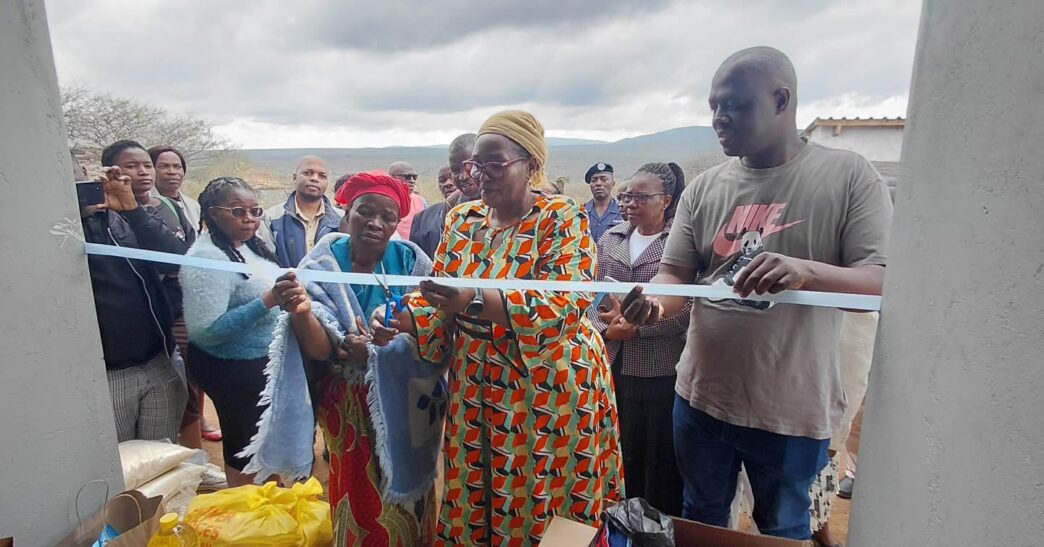
Four vulnerable families in the Shiselweni Region have received new homes after living in unsafe and makeshift structures following the collapse of their previous houses.
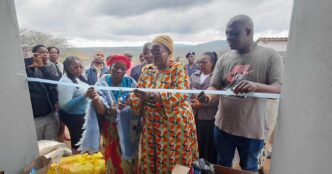
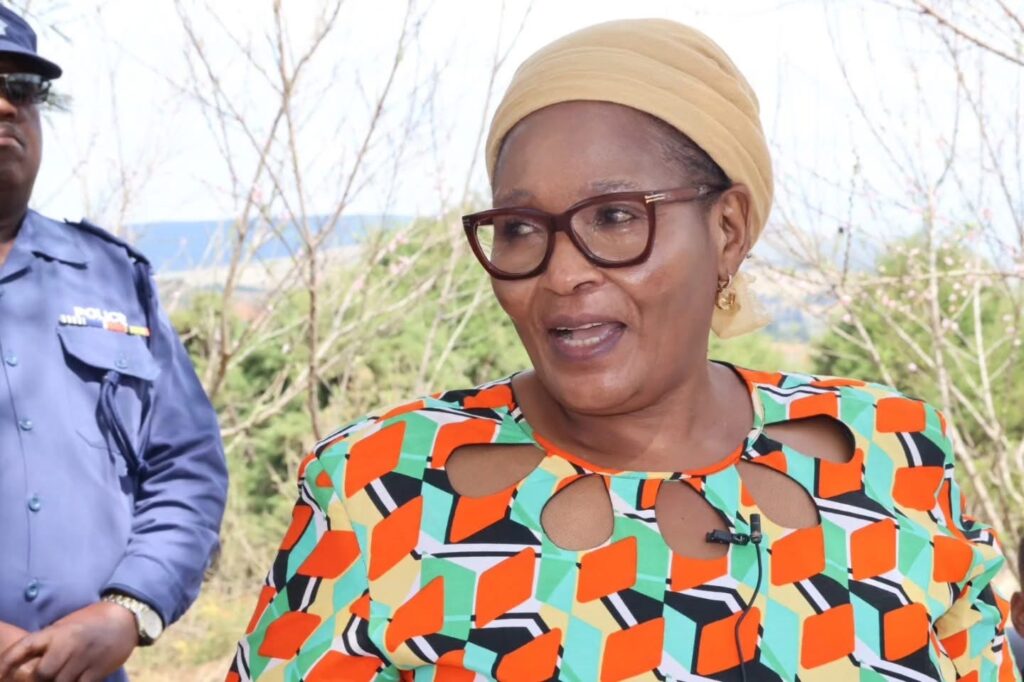
The houses were handed over yesterday by Deputy Prime Minister Thulisile Dladla on behalf of His Majesty King Mswati III, in a gesture aimed at improving the living conditions of families who had been left without safe accommodation.
The projects were implemented by the National Disaster Risk Management Authority (NDRMA) – Umvalo Wesive, in partnership with the Baphalali Eswatini Red Cross Society. 
The handover brought relief to the beneficiaries, whose previous homes had either collapsed or become unsafe, forcing them to seek shelter in temporary structures made from sticks, mud and old corrugated iron sheets.
For the families, the new houses represent more than just improved shelter, as they provide a safer living environment and restore dignity to households that had endured difficult circumstances.
One of the beneficiaries is 67-year-old Gogo Maroma Ntombizodwa Langwenya of Kwaluseni, Matsanjeni South, who received a three-room house funded by the Republic of China (Taiwan). Langwenya will share her new home with her nine grandchildren. Her previous house had partially collapsed, leaving the family in a vulnerable situation.
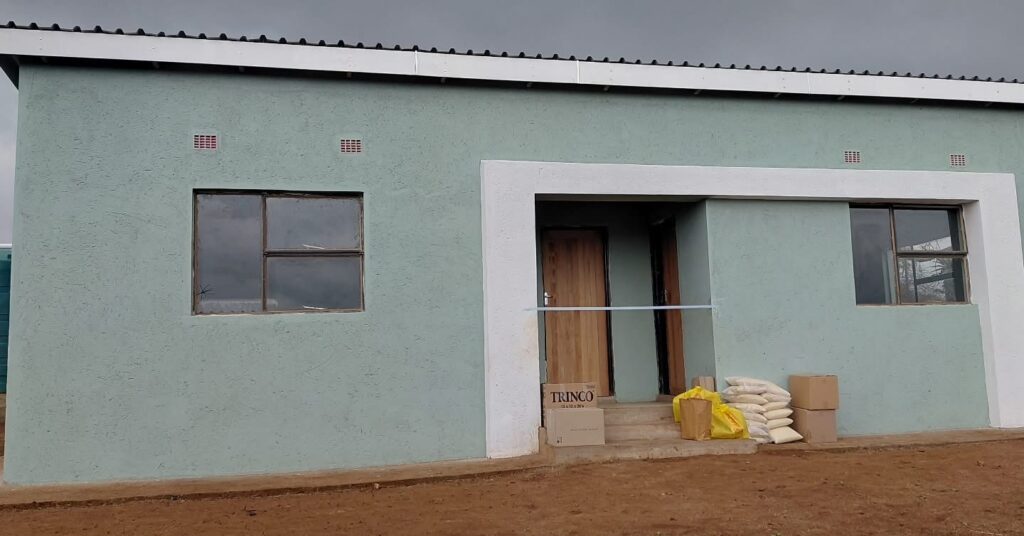
The new home has therefore brought considerable relief to the elderly beneficiary and the children under her care.
Langwenya expressed her happiness and gratitude following the handover, while also acknowledging the support she received from her neighbours during the difficult period. The assistance from the community had been important as she and her grandchildren dealt with the challenges brought about by the collapse of their home.
Another beneficiary, Busisiwe Malinga of Nsukazi, Gege, also received a new home after her previous house collapsed. Malinga lives with her six grandchildren.
Following the destruction of her home, she was forced to construct a temporary shelter using sticks and mud.
The conditions were difficult, with Malinga recalling the anxiety she experienced while living in the makeshift structure.
She said she often spent sleepless nights worrying about the safety of the building materials, fearing that they could be stolen.
The completion and handover of the new house has now brought her relief, replacing the temporary shelter with a permanent and safer home for her and her grandchildren.
At Tsambekwako in Gege, two elderly brothers, Mkhulu Japhta, 69, and Mbhuti Vilakati, 76, were also among the beneficiaries.
The brothers received a house after their homes collapsed, leaving them without suitable accommodation.
hey had been living in a makeshift shelter constructed from old corrugated iron sheets while waiting for assistance.
The new house provides the brothers with a more secure place to live and marks a significant change from the difficult conditions they had endured after losing their homes.
A child-headed household in the same area also received a new house.
The household is led by sisters Nokuthula and her sister, who have been raising four children after losing their mother and being abandoned by their father.
The sisters subsequently lost their grandparents, leaving them responsible for caring for the children in the household.
Following the destruction of their family home, they were forced to live in a structure made from sticks and mud.
Speaking during the handover, Dladla commended the communities for supporting the affected families during their hardships.
She particularly acknowledged the role played by neighbours, who stood with the beneficiaries at a time when they were facing difficult living conditions.
The Deputy Prime Minister also extended further assistance to the households, providing food portions and essential household items.
The items handed over included beds, sponges, wardrobes and benches, while fencing was also provided to improve the security and surroundings of the homes.
Dladla further addressed the needs of households that did not have kitchens.
She instructed the NDRMA to construct kitchens for those families, ensuring that the beneficiaries have facilities that support safe and dignified living.
The intervention comes as part of efforts to assist vulnerable households affected by disasters that have resulted in the loss or destruction of homes.
For the four families, the assistance means they can now move away from structures that offered limited protection and into homes that provide greater security and comfort.
Langwenya had been left with a partially collapsed house while caring for nine grandchildren, Malinga had resorted to a stick-and-mud shelter with her six grandchildren, and the two brothers at Tsambekwako had been surviving in a shelter made from old corrugated iron sheets.
Meanwhile, the child-headed household had been raising four children in a stick-and-mud structure after the destruction of their family home.
The handover therefore addressed both the immediate need for shelter and the broader need to restore dignity to households that had experienced significant hardship.
With the provision of furniture, food and fencing, the assistance has also gone beyond the construction of the houses to address some of the families’ basic household needs.
The involvement of NDRMA – Umvalo Wesive and the Baphalali Eswatini Red Cross Society was central to the implementation of the housing projects, while funding from the Republic of China (Taiwan) supported the construction of Langwenya’s three-room home.
The four households can now look forward to living in safer surroundings, with the new houses providing a foundation for more stable family lives.
For the elderly beneficiaries, the homes provide secure shelter after the loss of their previous houses, while for the child-headed household, the intervention offers a safer environment for the sisters and the four children under their care.
The handover also highlighted the importance of community support in times of disaster, with the Deputy Prime Minister recognising neighbours who continued to assist the affected families before permanent housing solutions were secured.