The Royal Eswatini Police Service (REPS), in collaboration with the Eswatini Conference of Churches (ECC) and Foreign Federal, has equipped church leaders with knowledge and practical skills to strengthen the fight against gender-based violence (GBV).
The training programme focused on GBV, mental health, pastoral responsibilities and the role of the church in preventing and responding to GBV within communities.
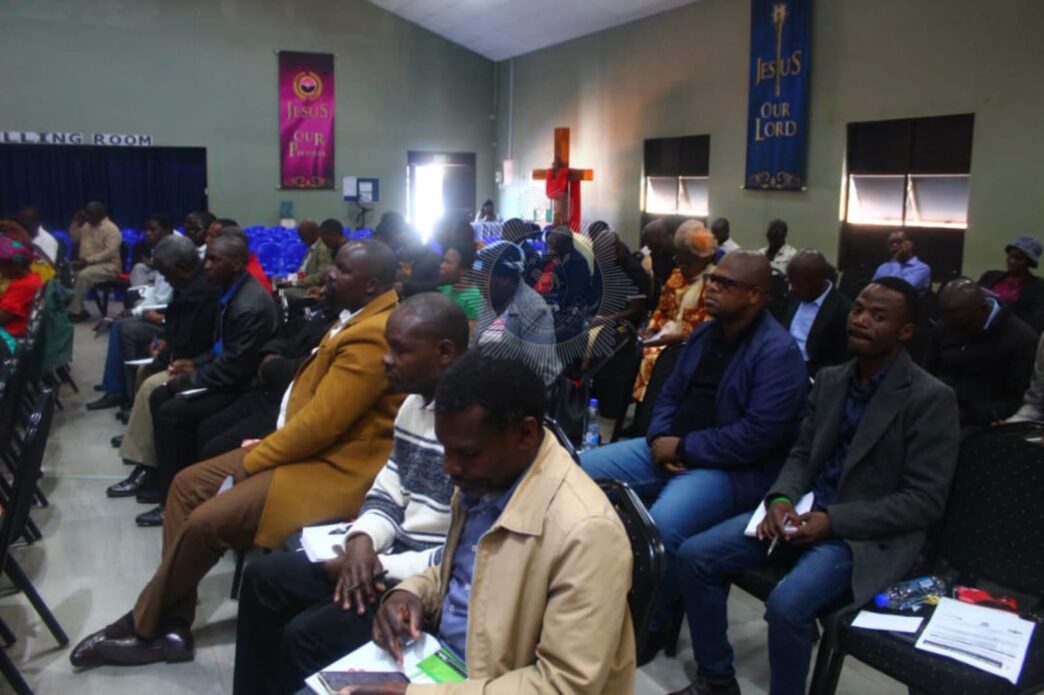
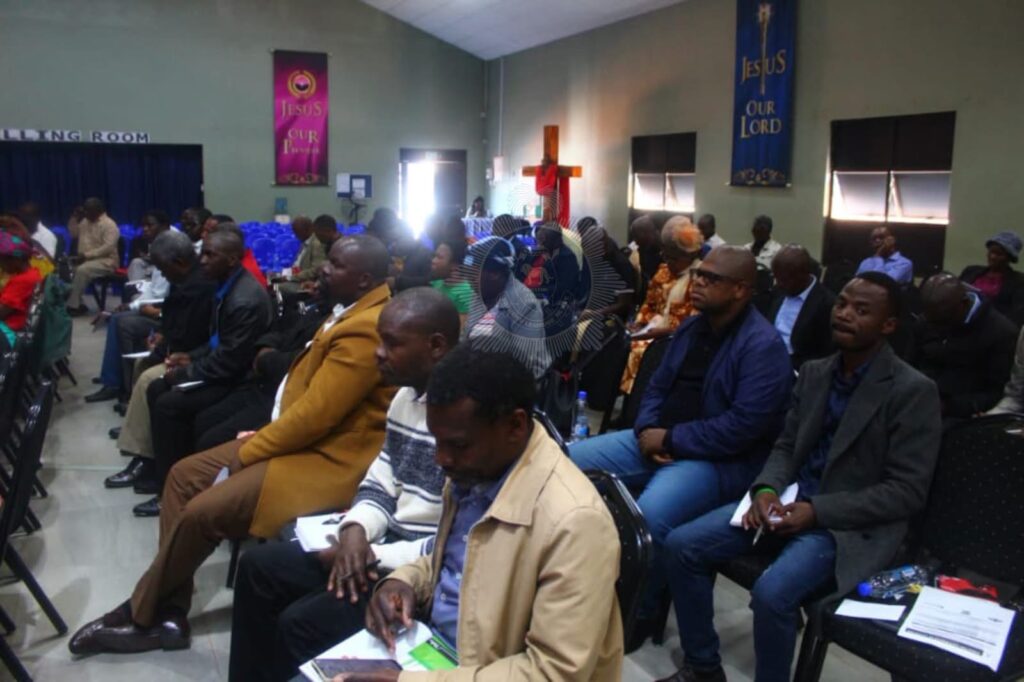
Over the weekend, about 100 pastors in the Shiselweni Region participated in a training session facilitated by Constable Mbongeni Khoza from the Manzini One-Stop Centre. 
The session provided the church leaders with an opportunity to gain a deeper understanding of GBV, its impact on survivors and communities, as well as the role they can play in addressing the problem.
The training formed part of an ongoing initiative aimed at empowering faith leaders to become active agents of change in their communities.
A similar session was previously conducted in the Manzini Region, where another group of about 100 church leaders received training on GBV and related issues.
The training of church leaders was intended to strengthen the support available to survivors, particularly through the pastoral care provided by churches.
One of the key objectives of the programme was to equip pastors with practical skills to provide appropriate pastoral support to survivors of GBV.
Church leaders were also guided on how to refer survivors to existing structures and services where they can receive appropriate assistance and treatment.
The training further emphasised the importance of reporting GBV cases to the relevant authorities instead of handling them solely within the church.
Pastors and church members were encouraged to report cases to institutions such as the police, social welfare services and health facilities, depending on the needs of the survivor.
This was intended to promote cooperation between churches and community-based services in ensuring that survivors receive the necessary support.
The involvement of church leaders was considered important because churches are often closely connected to families and communities, placing pastors in a position where they may become aware of cases of abuse or be approached by survivors seeking help.
Through the training, church leaders were encouraged to respond appropriately, provide support and ensure that survivors are connected with professional services capable of addressing their specific needs.
The programme also highlighted mental health as an important component of responding to GBV, while reinforcing the pastoral responsibilities of church leaders when dealing with people affected by violence.
The collaboration between REPS, ECC and Foreign Federal therefore sought to strengthen links between faith-based institutions and existing support structures.