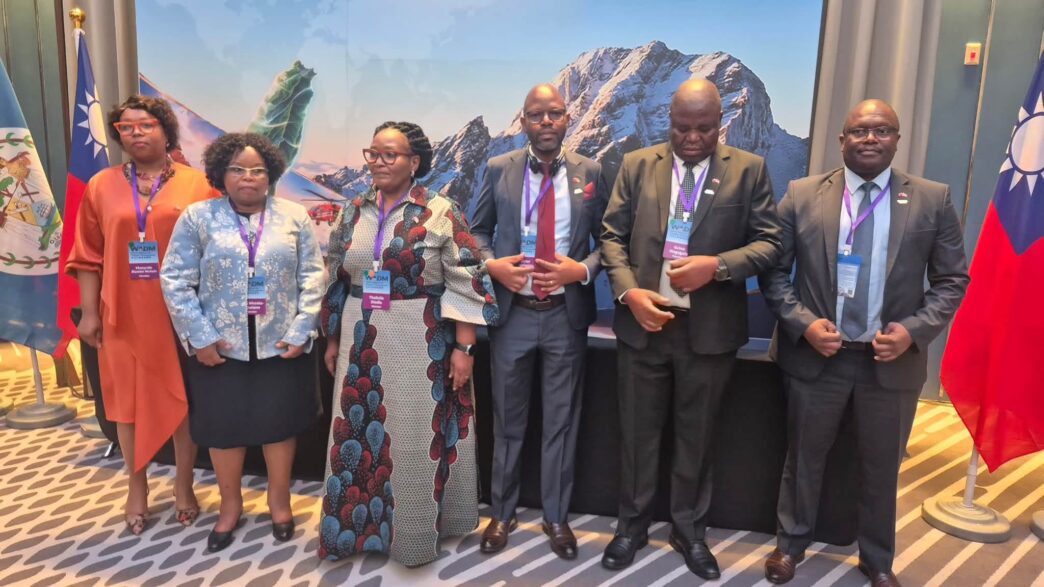
Eswatini has joined a new international alliance aimed at strengthening disaster preparedness and response, opening opportunities for the Kingdom to deepen cooperation, access international expertise and strengthen the resilience of communities and critical systems.
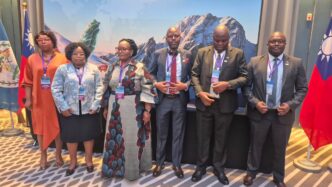
The Kingdom is among 13 founding member countries of the newly established World Alliance for Disaster Management (WADM), which was formally launched in Taipei, Taiwan, on September 19, 2026.
The alliance brings together governments and disaster management organisations to promote cooperation across the disaster management cycle, including preparedness, response, recovery and resilience-building. 
It currently comprises 13 member countries, 17 observer organisations and 11 partner organisations.
For Eswatini, participation in the alliance provides a platform through which the country can engage with other countries and organisations on disaster risk management, including information-sharing, technology, training and coordinated action.
The establishment of the WADM was formally marked by the signing and adoption of its founding resolution, with Eswatini represented by Deputy Prime Minister Senator Thulisile Dladla in her capacity as Minister responsible for Disaster Risk Management.
The alliance’s programme began on September 18 with a welcome dinner ahead of its formal launch.
Dladla delivered remarks on behalf of the founding members, setting out three principles she said should guide the work of the new organisation: inclusive disaster preparedness, people-centred technology development and demonstrating solidarity through practical action.
She also highlighted the importance of early warning systems in building a safer world for current and future generations.
The emphasis on preparedness and early warning has direct implications for economic resilience, as disasters can disrupt businesses, infrastructure, public services, supply chains and livelihoods.
By strengthening the ability of countries to anticipate and respond to disasters, cooperation through the WADM could support efforts to reduce disruption and strengthen the capacity of communities and institutions to recover when disasters occur.
The alliance is expected to facilitate joint training, exercises, information-sharing and coordinated action, creating opportunities for member countries to share experience and develop their disaster management capabilities.
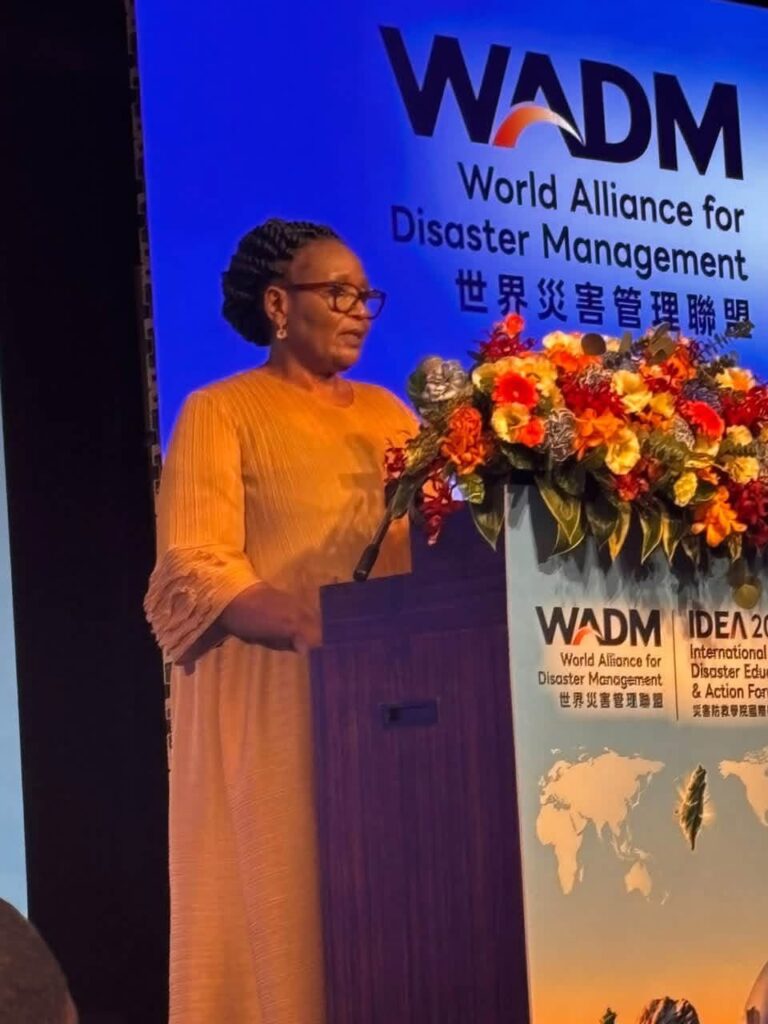
Taiwan’s government has said the platform will promote joint training, joint exercises, mutual assistance and information-sharing among participating countries and organisations.
The initiative also places technology at the centre of disaster management cooperation, an area that could become increasingly important as countries seek faster and more effective ways of monitoring risks, communicating warnings and coordinating emergency responses.
For Eswatini, involvement through the National Disaster Risk Management Authority (NDRMA) provides an avenue for the country to participate in discussions on the practical application of these approaches.
The NDRMA participated in sessions where the WADM’s resolution, statutes, regulations and rules were discussed and adopted.
The alliance was officially launched by Taiwan President Lai Ching-te in Taipei on September 19.
He said the organisation would link governments and disaster prevention agencies and organisations around the world to advance joint training, exercises, mutual assistance and information-sharing.
Taiwan’s Ministry of Foreign Affairs said the WADM currently has 13 member countries, 17 observers and 11 partners, with its inaugural meetings taking place in Taipei from September 19 to 21.
It said 91 international guests from 21 countries were attending the inaugural events.
The participation of Eswatini at the founding level places the Kingdom within a new international network focused specifically on disaster management and resilience.
Beyond emergency response, the alliance’s broader focus on preparedness and recovery is relevant to economic continuity.
Severe weather events and other disasters can place pressure on public finances, damage infrastructure, interrupt commercial activity and affect households’ ability to earn income.
Building stronger systems before disasters occur can therefore help reduce the extent of disruption when emergencies arise.
The WADM is also intended to create opportunities for professional development and practical exchanges among participating countries.
According to Taiwan’s government, the alliance will facilitate professional training, capacity building, joint exercises and practical exchanges covering disaster prevention, early warning, emergency response and post-disaster recovery.
For Eswatini, this could create opportunities for disaster management officials to learn from experiences in other countries while also contributing the Kingdom’s own experiences to regional and international discussions.
The emphasis on people-centred technology highlighted by Dladla points to the importance of ensuring that disaster management systems are designed around the needs of communities.
Early warnings, for example, are only effective when information reaches people in time and in a form they can understand and act upon.
This makes communication, technology and community preparedness important components of resilience.
The alliance’s focus on solidarity also reflects the reality that disasters can cross borders and affect interconnected economies.
A disaster in one country can have consequences for neighbouring countries through disrupted transport routes, trade, supply chains and movement of people.
International cooperation therefore provides a mechanism for countries to coordinate their responses and share resources and expertise when necessary.
The formation of the WADM comes as countries seek stronger cooperation in dealing with a range of disaster risks, including climate-related events and other emergencies.
Taiwan’s government said the alliance was established to strengthen cross-border disaster management cooperation through joint training, exercises, action and information-sharing.
Eswatini’s membership allows the Kingdom to participate in this emerging international network while strengthening its own disaster risk management capacity.
For businesses and communities, stronger disaster preparedness can provide an additional layer of protection against disruptions that can affect operations and livelihoods.
The establishment of the WADM therefore gives Eswatini a new international platform through which it can strengthen cooperation on disaster risk management while contributing to a broader effort to build safer and more resilient societies.
The Kingdom has reaffirmed its commitment to working with international partners to advance disaster preparedness, strengthen resilience and promote coordinated action in support of safer communities.