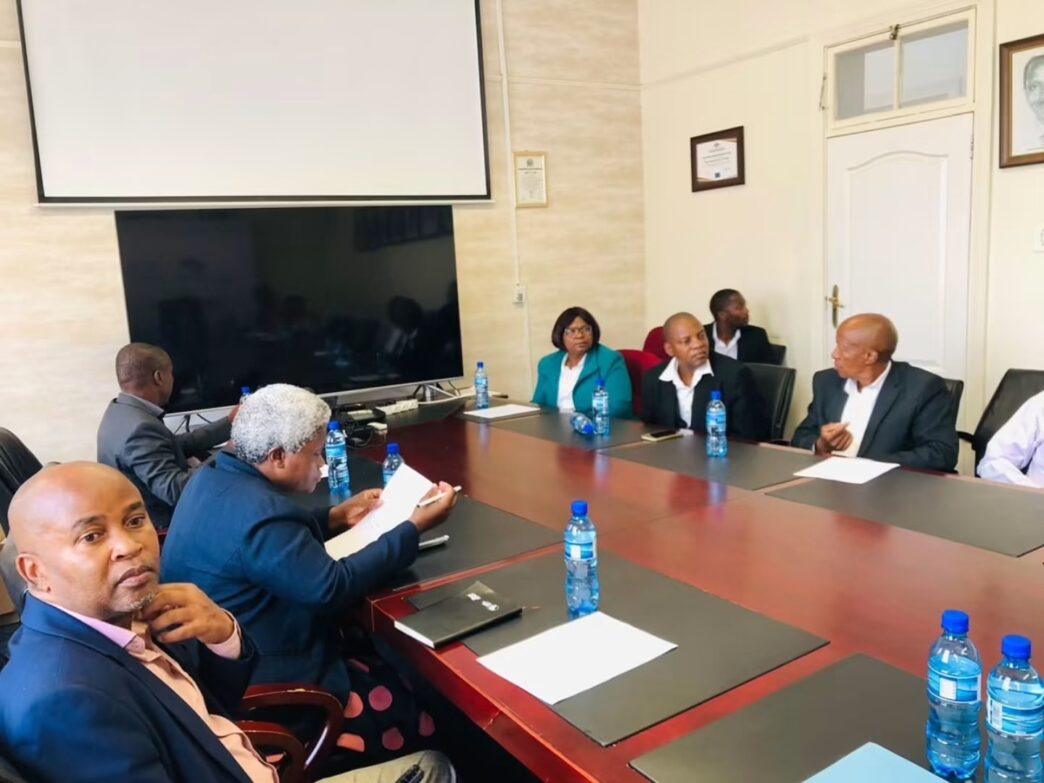
The Government of Eswatini has reiterated its commitment to ensuring that disability inclusion is integrated across all sectors of government and national development, rather than being treated as the sole responsibility of the Deputy Prime Minister’s Office.
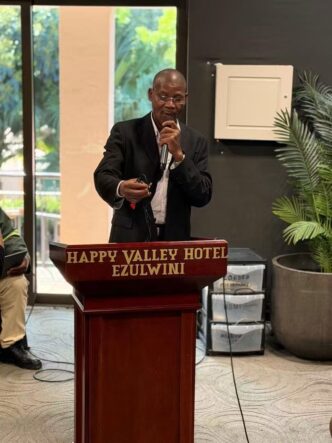
Speaking on behalf of Deputy Prime Minister Thulisile Dladla during the official launch of the International Week of the Deaf, Minister Sikhumbuzo Dlamini said the government was committed to mainstreaming disability rights across national policies, programmes, budgets and service delivery.
Dlamini said this commitment was anchored in the Eswatini National Disability Plan of Action (NDPA), which provides a framework for translating the country’s legal and international obligations on disability rights into practical interventions. 
The plan gives effect to obligations under the Persons with Disabilities Act, 2018, as well as the United Nations Convention on the Rights of Persons with Disabilities (UNCRPD).
“The launch of the Costed National Disability Plan of Action (NDPA) 2026–2028 has further strengthened the government’s commitment to advancing disability inclusion by providing a funded and coordinated roadmap for implementation,” said Dladla.
She said the plan established clear priorities and financing requirements while also setting out coordination mechanisms, accountability measures and practical interventions aimed at improving the lives of persons with disabilities.
According to the Deputy Prime Minister, the objective was to ensure that persons with disabilities could access public services and participate fully and equally in society.
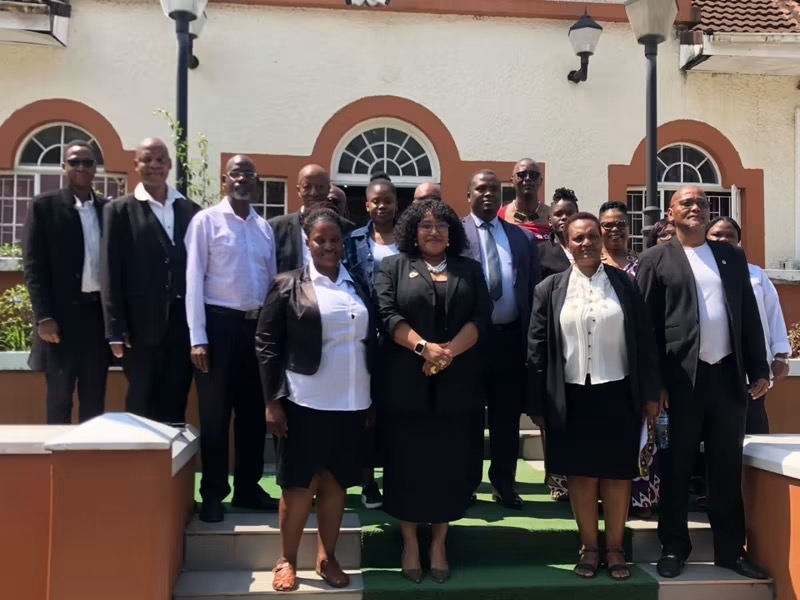
A key area highlighted by the government is access to Sign Language communication and interpretation services, particularly for members of the deaf community.
Dladla said the government intended to progressively increase the availability of qualified Sign Language interpreters across different sectors, including public institutions and essential service points.
“Our intentions are deliberate and intentional to ensure that Sign Language interpretation increasingly becomes part of the normal provision of accessible public services, rather than an exceptional arrangement for the deaf community,” she said.
She stressed that Sign Language interpretation should not be regarded as a special favour extended to deaf people, but rather as part of the basic services required to ensure equal access.
“It should not be a favour but a basic service to ensure equal access for all to basic services,” Dladla affirmed.
The government’s position places disability inclusion within the broader national development agenda, with the NDPA serving as a coordinated framework for ensuring that commitments are backed by resources, implementation measures and accountability.
The 2026–2028 plan is therefore expected to guide government institutions in incorporating disability considerations into their respective programmes and service delivery,
with particular attention to removing barriers that prevent persons with disabilities from accessing public services and participating fully in society.