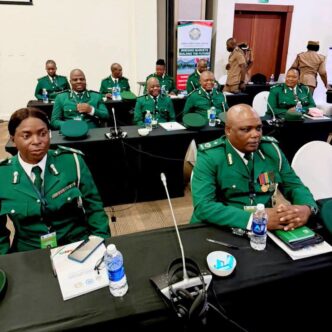
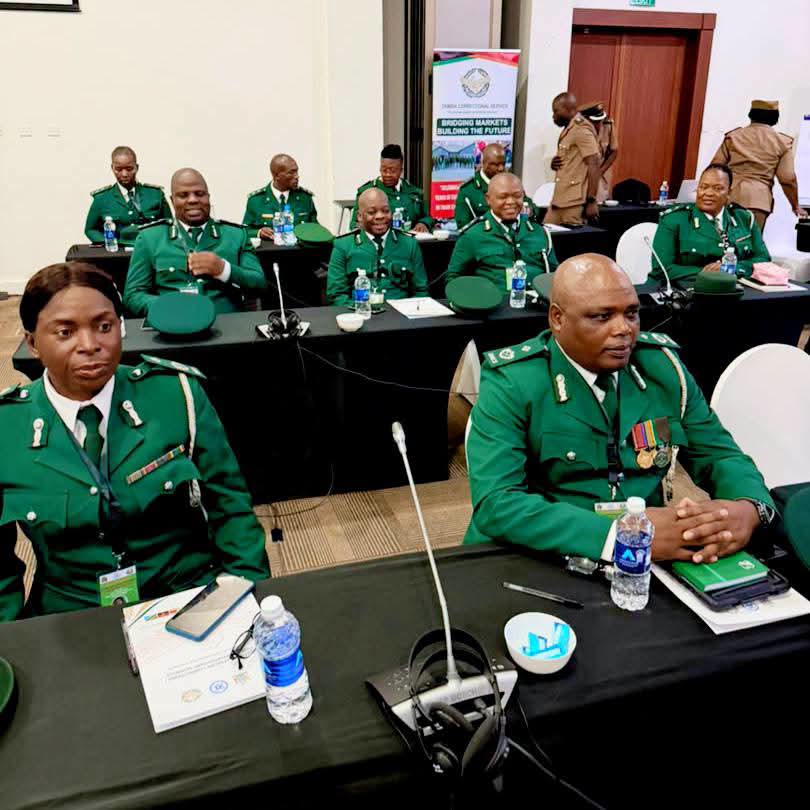
The development of the Regional Guideline is expected to provide Member States with a harmonised framework to guide the professional handling of correctional intelligence.
The guideline will outline principles for responsible information management, inter-agency cooperation and integration of correctional intelligence into national and regional early warning systems.
It is also expected to promote professionalism and uniformity in how correctional intelligence is managed across the region, while respecting the different legal and institutional contexts of Member States. 
SADC has in recent years intensified efforts to enhance collaboration among security institutions to ensure that all components of the security sector contribute effectively to conflict prevention and maintenance of peace.
The Johannesburg workshop forms part of these ongoing efforts and reflects the region’s commitment to strengthening preventive mechanisms.
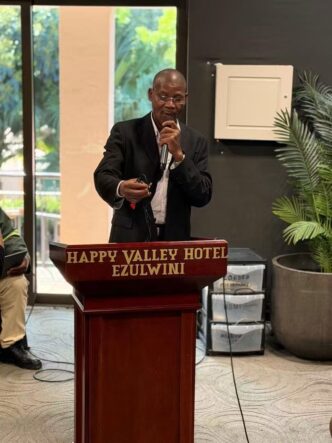
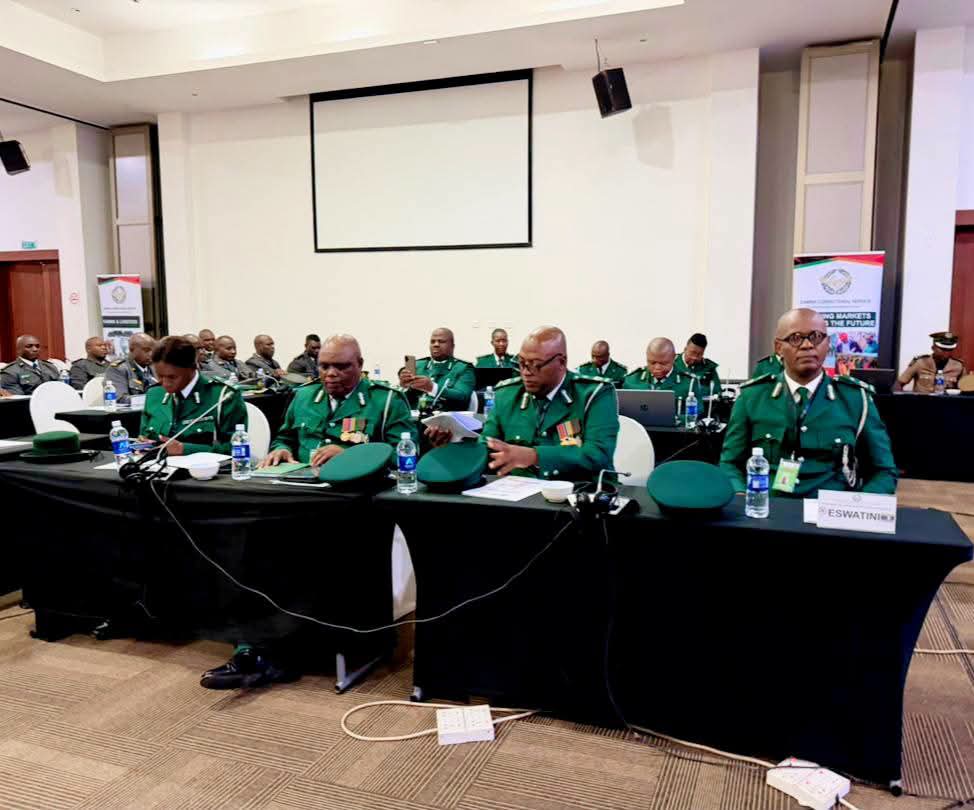
In a related engagement, correctional services stakeholders from across the SADC region are participating in a Peer-to-Peer Interaction Workshop aimed at sharpening correctional practice through shared knowledge, experience and innovation.
The peer-to-peer workshop is being held under the theme ‘Transforming Correctional Systems for Sustainable Development: Promoting Agriculture, Rehabilitation, Economic Empowerment and Community Resilience across the SADC Region.’
Eswatini has embraced the platform as both a repository of experience and a laboratory for new ideas.
The workshop is interrogating how correctional institutions can transcend confinement to become catalysts for rehabilitation, productivity, economic empowerment and community resilience, with particular attention to agriculture, skills development, reintegration and strategic community partnerships.
His Majesty’s Correctional Services has implemented various programmes focused on agriculture and rehabilitation, aimed at equipping offenders with skills that will support their reintegration into society.
The peer exchange provides a platform to share these experiences and learn from other Member States.
Beyond dialogue, the workshop seeks to forge actionable pathways for addressing shared challenges and strengthening correctional systems that uphold dignity, nurture rehabilitation, and equip offenders for meaningful reintegration into society.
Participants are expected to explore how agricultural projects within correctional facilities can promote food security and skills transfer, how economic empowerment initiatives can reduce reoffending, and how partnerships with communities can strengthen reintegration efforts.
The gathering underscores the principle that correctional transformation is strengthened when nations learn from one another.
SADC Member States continue to face common challenges in correctional management, including overcrowding, resource constraints and the need to balance security with rehabilitation.
The peer-to-peer approach is therefore viewed as a practical mechanism for addressing these challenges through collective learning, mutual support and the adoption of best practices.
The outcomes of the workshops are expected to feed into broader SADC processes aimed at strengthening the Organ on Politics, Defence and Security Cooperation and advancing the region’s peace and security agenda.