The Southern African Development Community (SADC) is advancing efforts to strengthen regional peace and security by developing a Regional Guideline on Intelligence Management in Correctional Services.
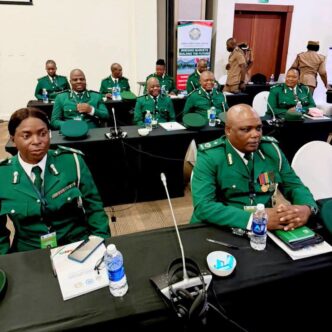
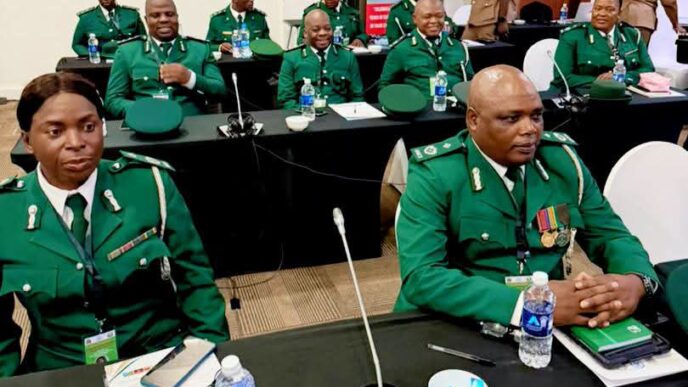
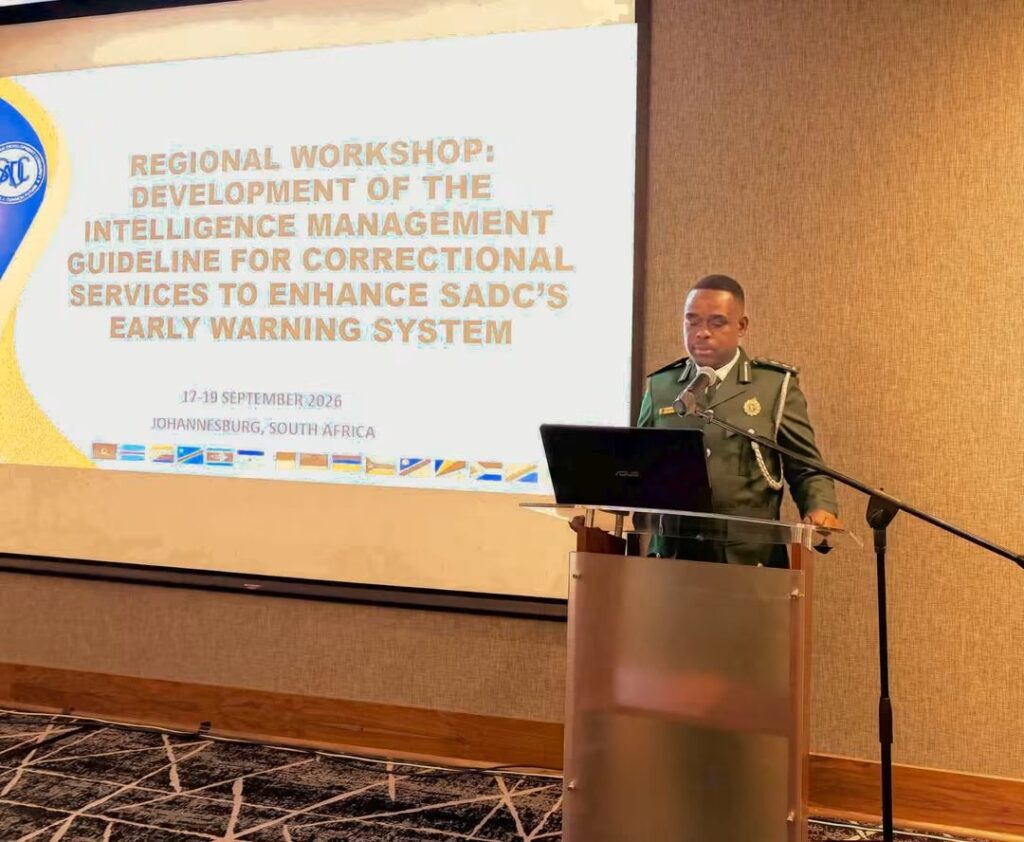
The guideline was the focus of a three-day regional workshop held in Johannesburg, Republic of South Africa, from 17 to 19 September 2026.
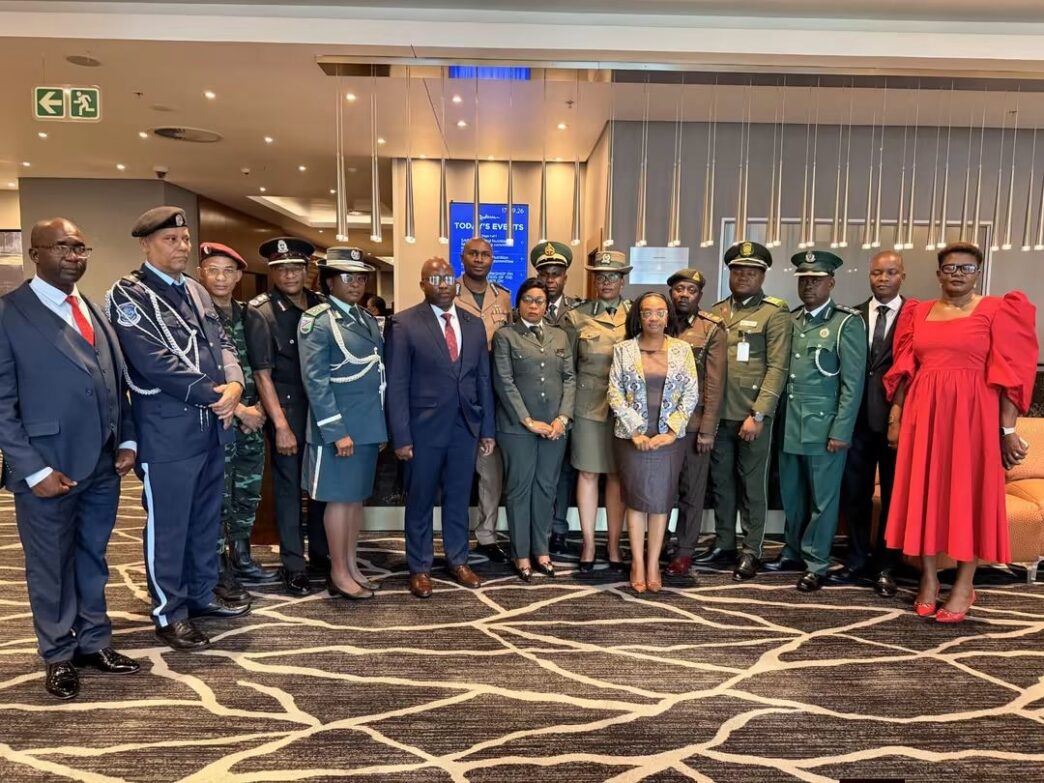
The workshop brought together technical experts from SADC Member States to share experiences, review institutional frameworks and develop practical approaches to intelligence management within correctional services. 
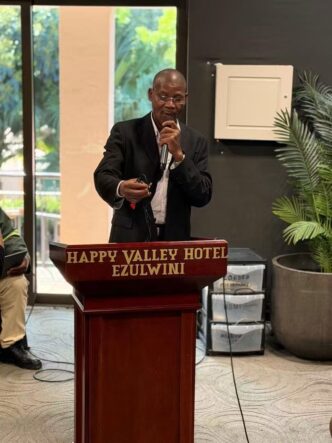
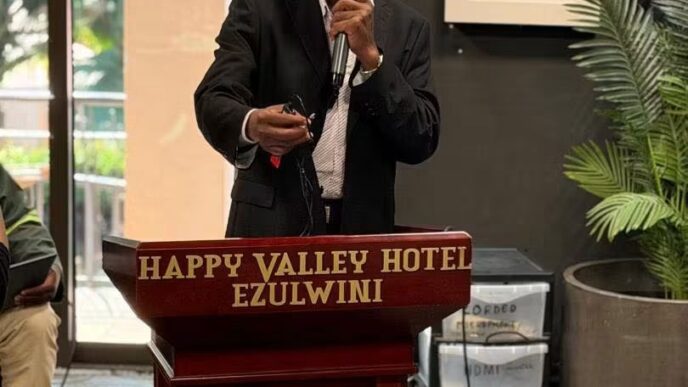
Senior Superintendent Melusi Hlanze from His Majesty’s Correctional Services (Kingdom of Eswatini) officially opened the workshop, representing the current Chair of the SADC Organ on Politics, Defence and Security Cooperation.
In his opening remarks, Hlanze underscored the strategic importance of prevention, early warning and timely intervention in safeguarding regional peace and stability.
He said effective early warning depends on the timely identification of emerging risks, responsible management of information and strengthened cooperation among institutions within the security architecture.
He noted that correctional services are an integral part of the broader security sector and that strengthening intelligence management within correctional institutions is essential for maintaining stability at national and regional levels.
The workshop recognised that the mandate of corrections extends beyond safe custody, offender management and rehabilitation.
Correctional institutions are also positioned to contribute valuable intelligence towards identifying emerging security threats and strengthening national and regional early warning systems.
According to participants, correctional facilities are strategically placed to detect indicators of radicalisation, organised criminal networks and other threats that may have implications beyond prison walls. Effective management of such information is therefore critical.
The workshop sought to advance a more coordinated and professional approach to intelligence management, ensuring that correctional institutions can make a meaningful contribution to public safety, informed decision-making and the broader SADC peace and security agenda.
Deliberations during the workshop focused on the need for common standards on collection, analysis, sharing and protection of intelligence within correctional services.
Participants shared country experiences on existing institutional frameworks, highlighting gaps and good practices in intelligence handling.
The discussions also covered the importance of aligning intelligence management with human rights standards and national laws.