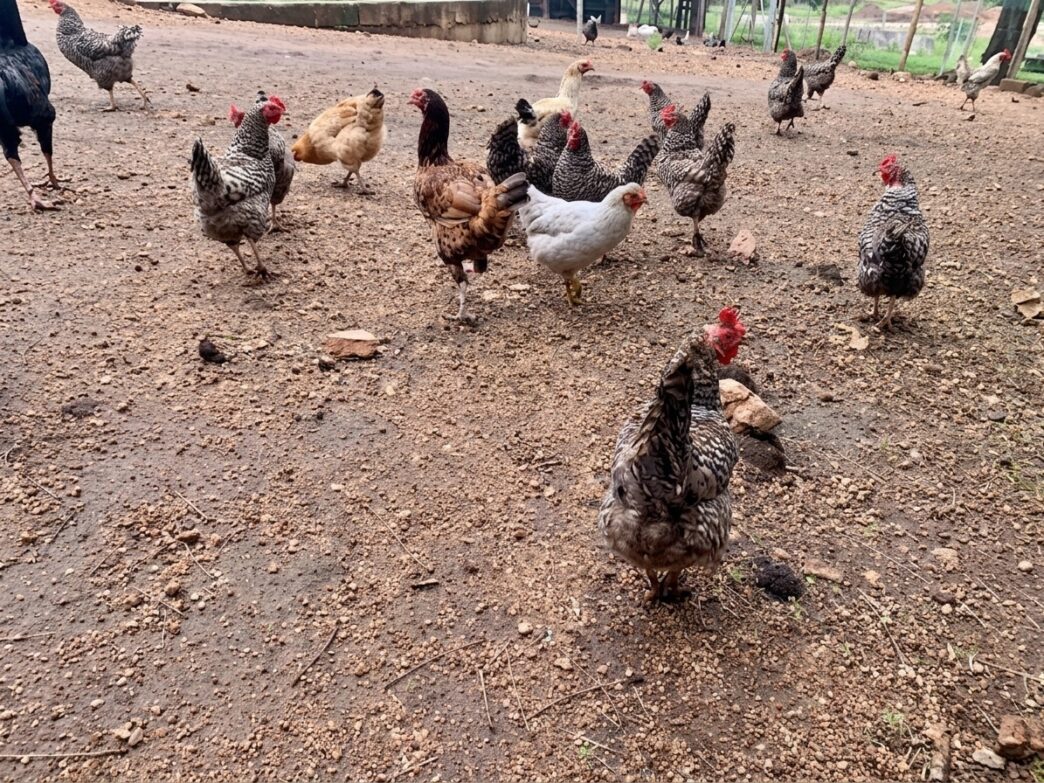
Makhaya chicken farmers can generate income at every stage of the production cycle and do not have to wait until birds reach market age, ButterNice Farms founder Nozizwe Ginindza has said.
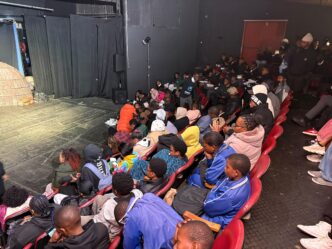
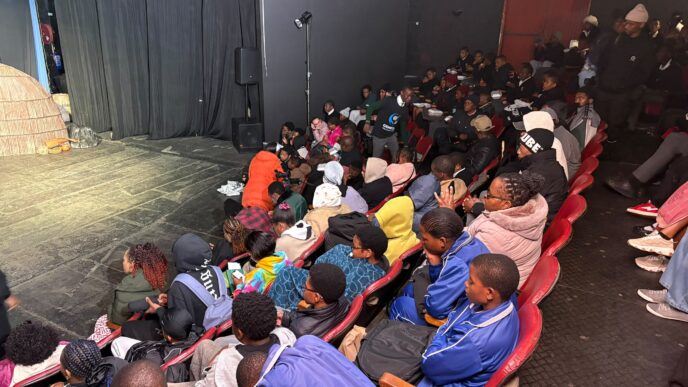
Ginindza was speaking in Kakholwane during a farmer’s day with Khuba Traders and Arrow Feeds, an engagement with emerging Makhaya chicken farmers, where she shared lessons from running ButterNice Farms.
She said many new farmers assume revenue only comes at the end of the cycle, when mature birds are sold. 
This forces them to hold stock for weeks while carrying feed and management costs without income.
“My farm has adopted a different approach, creating customers for each growth stage, from day-old chicks to one week, two weeks and up to six weeks and beyond.
Each stage is advertised and sold, allowing cash flow throughout the month from the same flock,” said Ginindza.
She said this strategy has given ButterNice Farms an edge, as the business does not hold quietly until market.
Selling from early stages, including what she referred to as Lamate bones, ensures steady revenue.
The importance of breeding its own stock, she said, is central to this model because it allows the farm to have birds available at different ages consistently.
Ginindza said her farm previously kept 600 to 800 chickens at any given time, but has since changed its operations after learning that more birds do not automatically translate into more profit.
She said a successful Makhaya chicken business is not measured by how many birds are walking around the yard.
Large flocks increase financial pressure because every additional bird must be fed, protected and managed.
That financial stress, she said, also increases vulnerability to biosecurity challenges, including diseases.
When a farmer is stretched financially, management lapses become more likely and the risk of losing birds rises.
She said if something goes wrong in a large flock, the loss is also larger. Starting with 500 chicks at once, for example, means any mistake or disease outbreak affects all 500 at once, which can wipe out a significant investment.
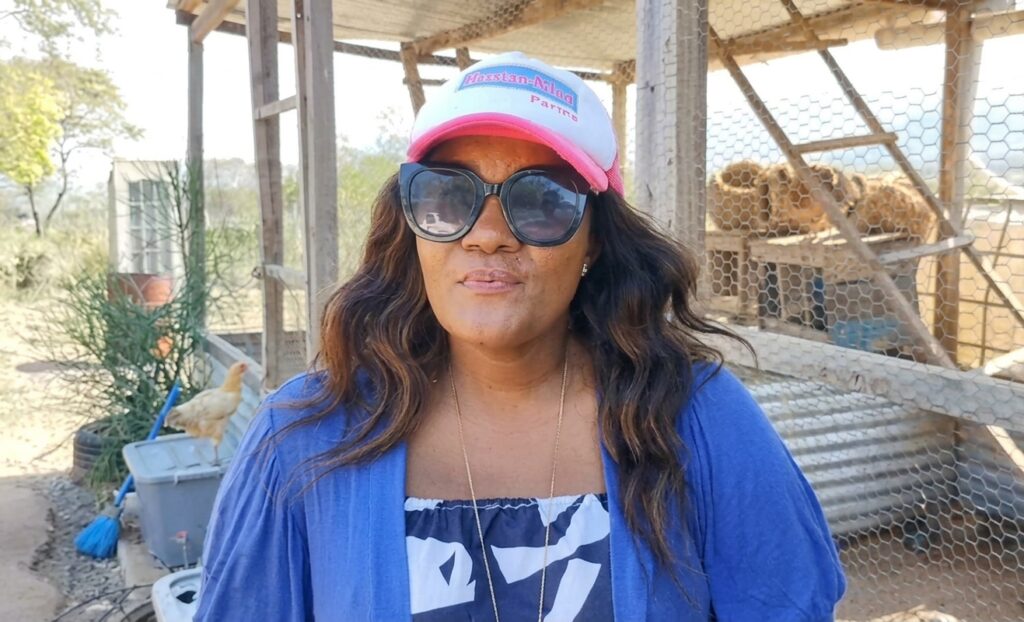
“For that reason, I advise emerging farmers to start small, learn production, understand their customers and grow gradually,” she advised.
Instead of bringing in hundreds of chicks at once, she recommends staggering deliveries on a weekly, biweekly or monthly basis.
This allows farmers to make mistakes on a smaller scale, learn from them and avoid blowing up the business.
Because Makhaya chickens can be sold at every stage, farmers have the option to liquidate part of the flock when needed.
Selling a portion at one week or two weeks can ease feed pressure and provide working capital while the rest of the flock continues to grow.
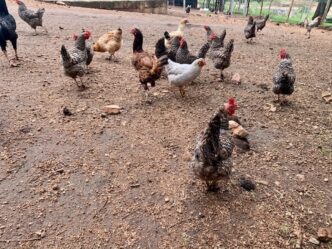
Ginindza also cautioned farmers against overcomplicating Makhaya chicken production. The birds, she said, do well when allowed to run naturally in a simple setup.
Farmers should observe and follow what the chickens teach them, rather than imposing complex systems.
Commercialising Makhaya chickens, in her definition, is about doing what is done naturally, but on a larger and more organised scale.
To meet growing market demand without carrying all the production risk, ButterNice Farms now works with a network of partner farmers.
The farm has breeders and empowers other farmers to produce, while it focuses on bringing the product to market.
Stock is brought in from partner farms weekly or at month-end, ensuring consistent supply without the need to hold thousands of birds in one place.
The model shifts focus from the glory of having many birds on site to strategically managing supply through partnerships.
Ginindza said the Makhaya chicken market remains viable with strong margins because it is value-added. Consumers are willing to pay more for indigenous chickens, which creates room for profit across the value chain, from chicks to mature birds.
Her key message to emerging farmers is to focus on market needs rather than numbers.
The priority should be on whether the farmer can consistently supply what the market requires, not on how many chickens are in the yard.
Farmers, she said, should start with what they can afford to feed, protect and manage properly, find their market, reinvest profits and grow step by step.
When demand outgrows the farm, collaboration with other farmers is a better option than overstocking.
She emphasised that advertising at every available stage is critical, as different customers look for different ages of birds. Some want day-olds to raise themselves, others want older birds closer to market.
By understanding these customer segments and planning production accordingly, even a small flock can become a sustainable business that generates revenue throughout the month.