The government has spent more than E613 million to cushion consumers from the impact of rising international oil prices since geopolitical tensions began driving volatility in the global fuel market in February 2026.
Minister for Natural Resources and Energy, HRH Prince Lonkhokhela, said the expenditure had been made through the Strategic Oil Reserve Fund as the government sought to shield local consumers from the full impact of international fuel price increases.
The minister explained that Eswatini’s reliance on imported fuel had left the country exposed to international oil market shocks, with the country importing 100 per cent of its fuel products. 
According to Prince Lonkhokhela, the international oil price spike had significantly increased the cost of bringing fuel into Eswatini. This had resulted in severe under-recoveries across all domestic fuel products, reaching as much as E4.80 per litre by the end of September 2026.
He said the government had been absorbing part of these costs through the Strategic Oil Reserve Fund since February, when the geopolitical tensions began affecting the oil market.
“Since the onset of these geopolitical tensions, in February, 2026, the government has actively cushioned local consumers from the full brunt of price hikes by utilising the Strategic Oil Reserve Fund,” he said.
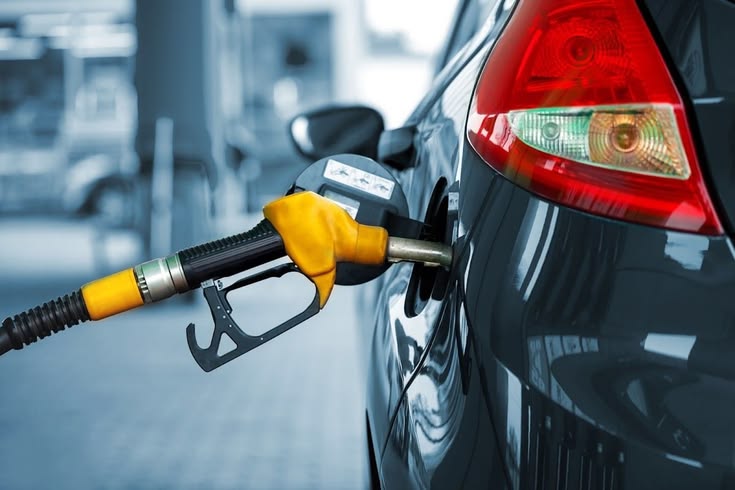
However, the prolonged volatility and mounting under-recoveries have placed the fund under significant financial pressure, making further cushioning at the same level increasingly difficult.
The minister said a domestic fuel price adjustment had therefore become unavoidable to safeguard the sustainability of the country’s fuel supply and prevent widespread shortages.
“The adjustment is being made in response to exceptional international market conditions, after the government has taken measures to cushion consumers,” Prince Lonkhokhela said.
Despite the new adjustments, the minister said the government had paid particular attention to the price of diesel because of its importance to the transportation and agricultural sectors.
“In particular, the government has paid attention to the Diesel price and ensured that the price of Diesel does not increase per the market dictates, as it impacts the transportation and agricultural sectors significantly,” he said.
In the short to medium term, the government is also pursuing measures aimed at reducing the country’s exposure to international fuel price shocks.
Among these is the Strategic Oil Reserve Facility at Phuzamoya, which Prince Lonkhokhela said would help mitigate high fuel prices once completed.
The government is also pursuing ethanol blending with unleaded petrol, following the successful completion of a pilot programme.
The minister said the ministry had since submitted the relevant regulations to Parliament. Additionally, the ministry intends to work with the oil industry to explore the possibility of partial deregulation of fuel prices.
Prince Lonkhokhela said the government would continue monitoring international oil prices, which remain highly volatile.
He urged consumers to use fuel efficiently as the country navigates the continuing uncertainty in the international oil market.