Eswatini is targeting the composting of 30 per cent of its nationally generated organic waste by 2035, as the country steps up efforts to reduce methane emissions, strengthen recycling and turn waste into an economic resource.
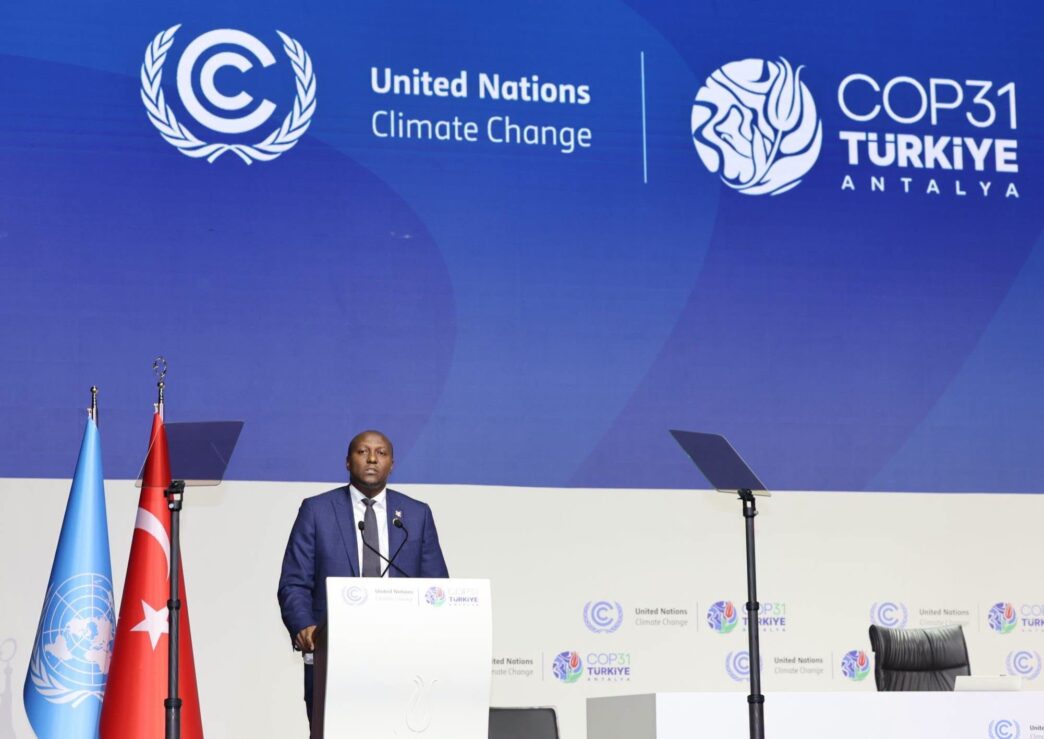
Prime Minister Russell Dlamini announced the target during the COP31 Leaders’ Roundtable on Zero Waste, Circularity and Methane in Antalya, Türkiye, on Wednesday, where he outlined the country’s efforts to transition towards a circular economy. Dlamini said Eswatini was committed to reducing the environmental impact of waste through prevention, reuse, recycling and resource recovery, with the transition expected to deliver environmental and economic benefits.
“Our third Nationally Determined Contribution, submitted in September 2025, targets the composting of 30 per cent of nationally generated organic waste and a 30 per cent reduction in the open burning of municipal solid waste by 2035,” he said. The PM highlighted the significant opportunity presented by organic waste, noting that a 2021 national study found that approximately 84 per cent of the waste characterised in the country was organic.
However, the country’s 2022 greenhouse gas inventory estimated that only about one per cent of municipal solid waste was being composted, revealing a substantial gap between the available waste resources and their utilisation. He said closing this gap could help reduce methane emissions, restore nutrients to agricultural soils and create economic opportunities within communities.
Dlamini said the government was already implementing interventions to translate its environmental commitments into practical results.
He cited a five-year initiative covering 2025 to 2030, launched in February 2026 with support from a Global Environment Facility grant of approximately US$4.935 million.
Implemented in partnership with the United Nations Development Programme (UNDP) and national stakeholders, the initiative focuses on addressing plastic, electronic and healthcare waste, strengthening resource recovery and reducing exposure to hazardous pollutants.
The country is also strengthening its Waste Management Information System to ensure that policies and investments are guided by reliable information and that progress can be properly measured.
Among the next priorities, Dlamini identified expanding waste separation at source, community composting and municipal collection of organic waste. The government would also explore the feasibility of anaerobic digestion to produce biogas and recover nutrients. He further emphasised the importance of ensuring that communities benefit economically from the transition, particularly those already involved in waste collection and recycling.