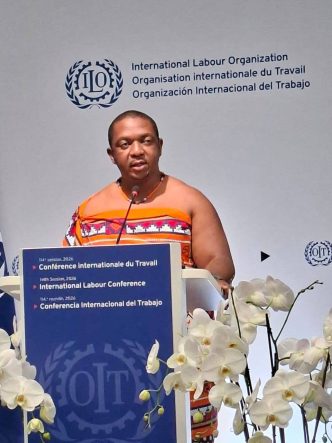
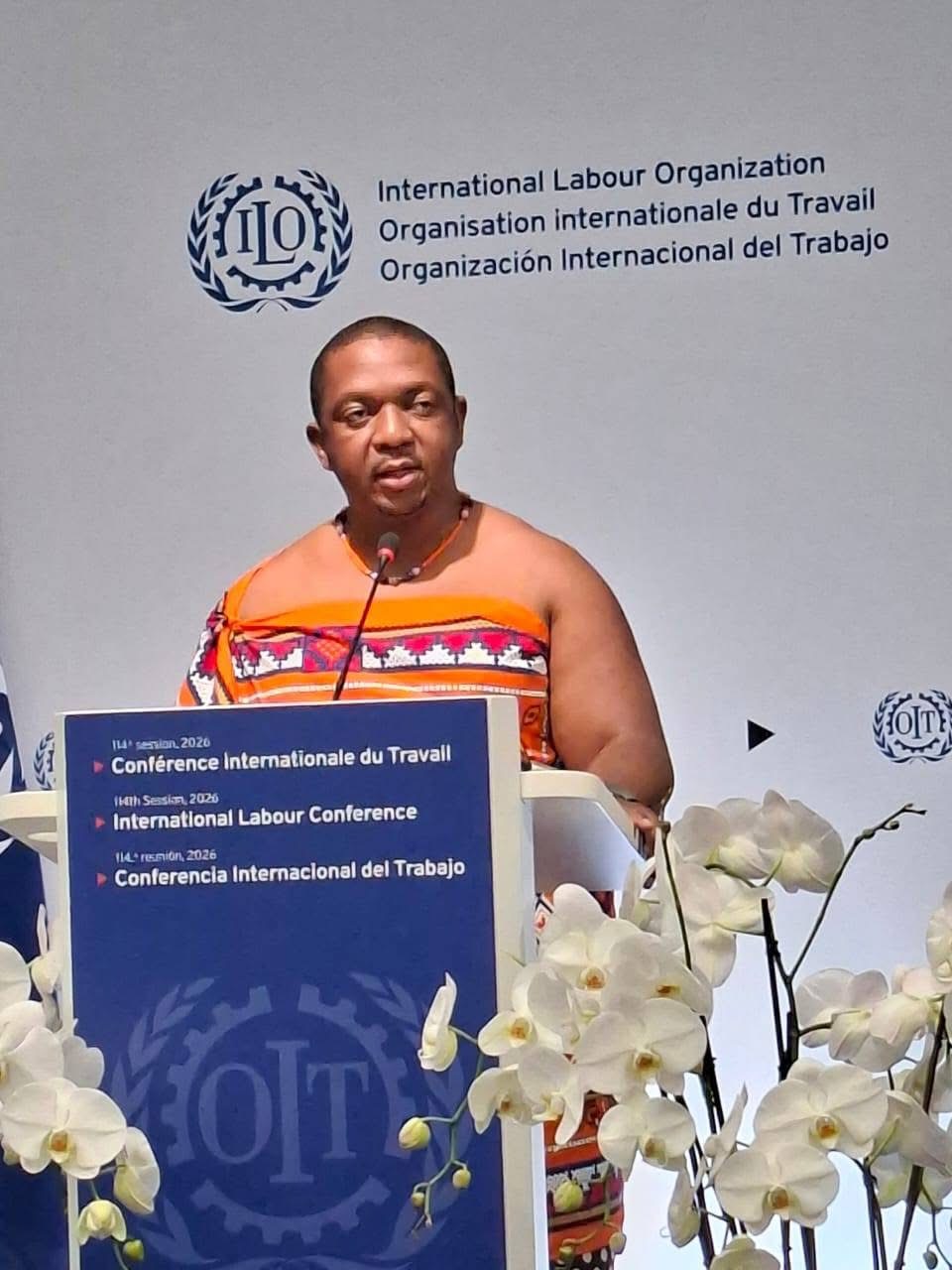
The Kingdom of Eswatini has reaffirmed its commitment to ensuring that Artificial Intelligence (AI) contributes to decent work, social justice and inclusive economic growth, while calling for greater international cooperation to help developing countries navigate the rapidly evolving digital landscape.
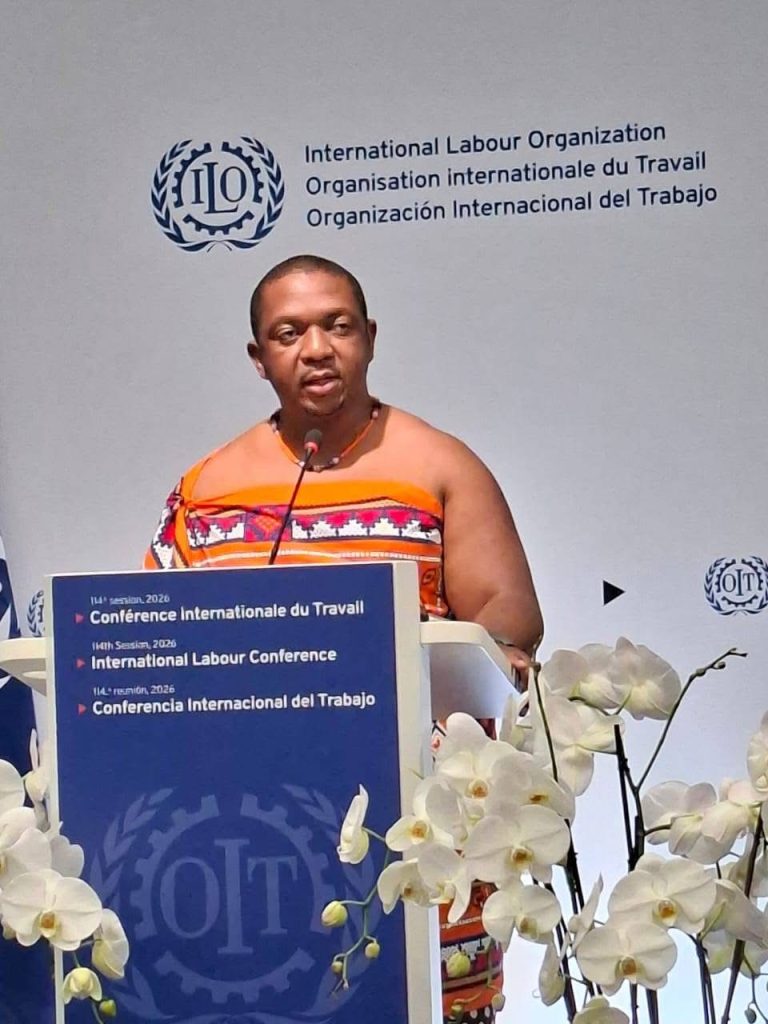
Speaking during the International Labour Conference in Geneva, Switzerland, Minister for Labour and Social Security, Phila Buthelezi, welcomed the report presented by the Director-General of the International Labour Organisation (ILO) titled A Moment of Choice: Harnessing Artificial Intelligence for Decent Work.
The minister said Eswatini fully supported the Director-General’s call for a human-centred approach to AI, one that places people, decent work and social justice at the core of technological transformation. 
He added that Eswatini recognised both the opportunities and risks associated with AI and acknowledged the importance of ensuring that technological advancement contributes to inclusive and sustainable development.
Buthelezi highlighted Eswatini’s ongoing efforts to modernise labour administration through the adoption of the Labour Inspectorates and Future of Technology (LIFT) system, an innovative digital platform developed to strengthen labour inspection services.
According to the minister, the LIFT system has already become an important tool in the country’s labour administration framework by improving the collection, management and analysis of labour inspection data.
“We are pleased to report that Eswatini is already utilising the Labour Inspectorates and Future of Technology (LIFT) system as part of our efforts to modernise labour administration and inspection services,” he said.
The minister explained that as AI increasingly transforms workplaces and employment relationships, digital tools such as LIFT would play a critical role in helping labour inspectors identify emerging challenges and respond more effectively.
He said the system enables inspectors to conduct risk-based targeting, monitor compliance in real time and make evidence-based decisions regarding labour law enforcement.
Buthelezi noted that technological changes were creating new forms of work and new workplace risks that traditional inspection systems may not be equipped to address.
He said digitalised inspection processes would therefore become essential in protecting workers and ensuring compliance with labour standards.
The minister further pointed out that the LIFT platform offers significant opportunities to strengthen the protection of workers’ rights and improve occupational safety and health outcomes.
“By analysing trends in workplace accidents, labour violations and emerging risks, the system can help identify sectors and enterprises requiring urgent intervention,” he said.
He added that the platform could also assist authorities in monitoring the impact of digital platforms, algorithmic management systems and AI-enabled workplace technologies.
While embracing the potential benefits of AI, Buthelezi stressed that successful integration of the technology into the world of work requires strong institutions and sound policy frameworks.
In this regard, he welcomed the ILO Director-General’s emphasis on international cooperation and technical assistance, noting that Eswatini would require support in several critical areas.
Among these are assessing national AI readiness, understanding the implications of AI for employment and productivity, strengthening labour market information systems and developing a National AI and Decent Work Strategy aligned with international labour standards.
The minister said there was also a need to build the capacity of labour inspectors, policymakers, employers and workers to better understand and respond to the changing nature of work in the digital era.
He emphasised that investment in people must remain central to AI development and deployment.
“AI should not only increase productivity; it should also expand opportunities,” Buthelezi said.
He expressed support for initiatives that promote digital skills, AI literacy, reskilling, upskilling and lifelong learning programmes, particularly for young people, women and vulnerable groups.
The minister said such interventions would help ensure that workers are equipped to take advantage of emerging opportunities within the digital economy rather than being left behind by technological change.
Looking ahead, Buthelezi revealed that Eswatini intends to incorporate many of the recommendations contained in the Director-General’s report into its upcoming Third Generation Decent Work Country Programme (DWCP) 2026–2030.
He described the programme as a unique opportunity for the country to align its national development agenda with global efforts to harness AI responsibly and inclusively.