Hundreds of residents of Ekwendzeni Chiefdom under Mtsambama Inkhundla are celebrating a new chapter in their lives following the official handover of a state-of-the-art solar-powered water supply scheme valued at E7.3 million by the Ministry of Economic Planning and Development through the Microprojects Programme.
The project, which is expected to improve access to clean, safe drinking water significantly, marks a major milestone in the Government’s ongoing efforts to uplift rural communities through strategic infrastructure development and improved service delivery.
The newly completed scheme was designed through a partnership between the Microprojects Programme and the Department of Water Affairs (Rural Water) and is expected to provide a reliable and sustainable source of water for the community for many years to come.
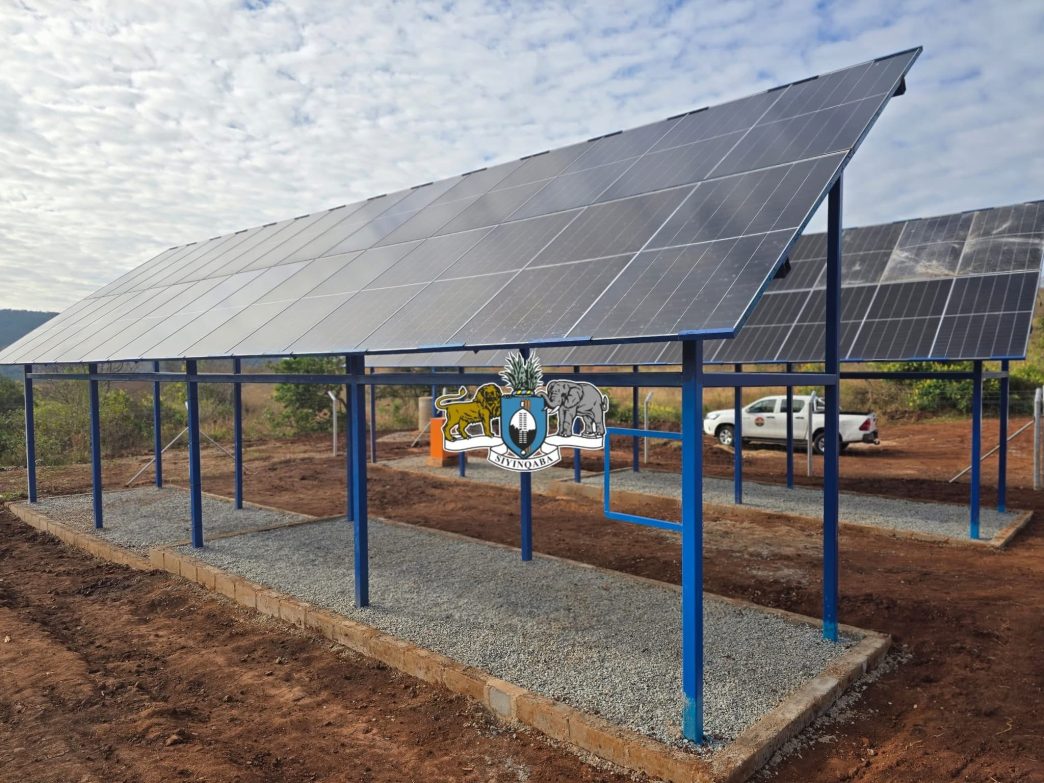
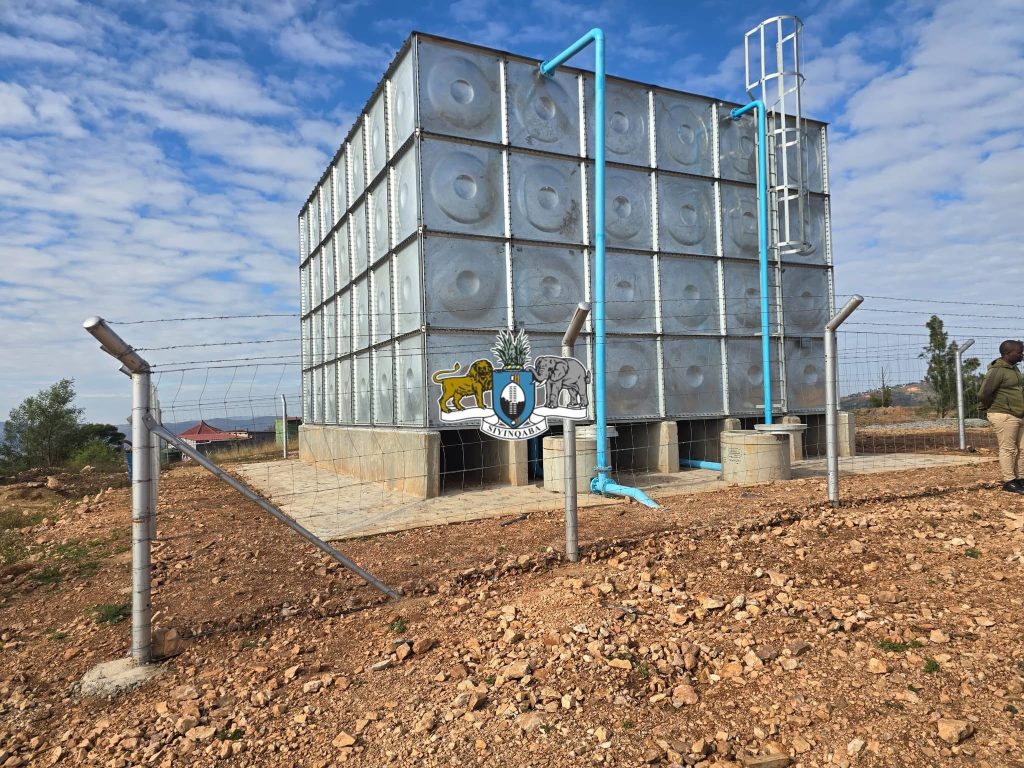
At the heart of the project is a solar-powered pumping system capable of extracting approximately 144,000 litres of water per day from a borehole. 
The water is then stored in a large reservoir with a capacity of 304,000 litres before being distributed across the community through an extensive network of 93 communal standpipes strategically positioned to ensure households can access water within a reasonable walking distance.
Currently, the scheme serves 270 homesteads, benefiting an estimated 1,080 residents.
However, planners say the infrastructure has been designed with future growth in mind and is expected to accommodate up to 488 homesteads over the next two decades.
The development is being hailed as a game-changer for local residents, many of whom have endured years of water shortages and long journeys to fetch water from distant and sometimes unsafe sources.
Community members expressed optimism that the project would not only improve household access to water but also enhance sanitation, public health, food security and overall quality of life.
The project’s implementation was made possible through a strong partnership between the Government and the Ekwendzeni community.
Residents played an active role throughout the construction process, contributing labour, excavation works, construction materials for soakaways and financial resources.
Officials noted that the level of community participation demonstrated a shared sense of ownership and commitment to the project’s success.
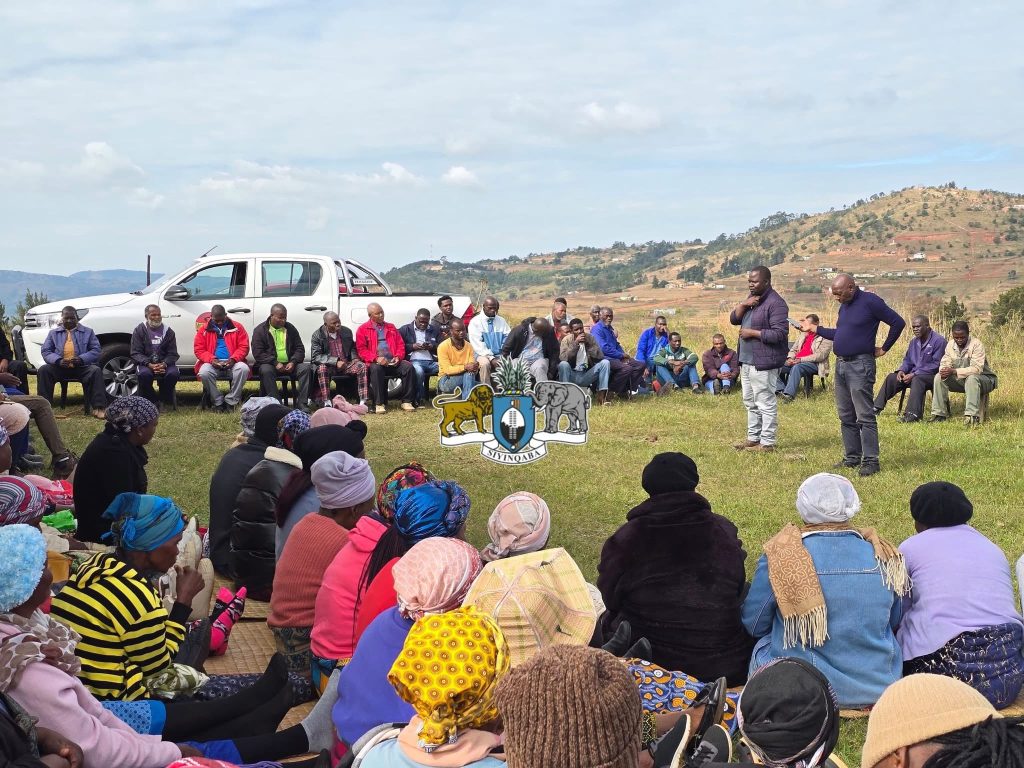
Speaking during the handover ceremony, various stakeholders commended both Government and community members for working together to bring the project to fruition.
They highlighted the significance of the investment, emphasising that access to clean water remains one of the key pillars of sustainable rural development.
Stakeholders further urged beneficiaries to safeguard the infrastructure and ensure that it remains functional for future generations.
Particular attention was drawn to the protection of the solar panels, which are critical to the operation of the system.
Community members were encouraged to remain vigilant against vandalism and theft while also ensuring that routine maintenance activities are carried out as required.
Residents were also encouraged to actively participate in community meetings and support local management structures tasked with overseeing the operation of the scheme. Officials stressed that while Government had invested heavily in constructing the project, its long-term success would depend largely on the commitment of beneficiaries to properly manage and maintain the infrastructure.
The use of solar energy has been widely welcomed as a sustainable and environmentally friendly solution that reduces operational costs while ensuring a dependable water supply even in remote areas.
The project aligns with national development priorities aimed at improving access to basic services, strengthening rural resilience and enhancing the wellbeing of citizens across the country.
For many households, the completion of the water scheme represents more than just improved access to water. It symbolises dignity, convenience and opportunity.
Women and children, who often bear the burden of collecting water, are expected to benefit significantly as time previously spent walking long distances can now be redirected towards education, income-generating activities and other productive pursuits.
The handover ceremony concluded with celebrations from community members who welcomed the project as a life-changing development for Ekwendzeni Chiefdom.