The National Disaster Risk Management Authority (Umvalo Wesive), has called on government, institutions and communities in Eswatini to strengthen preparedness measures in anticipation of a potential El Niño event.
In a statement issued by the Authority, the Authority said global climate forecasts indicate a risk of El Niño conditions developing, which could have significant impacts across Africa and Southern Africa if it were to strike again soon.
Umvalo Wesive stated that a strong El Niño could cost African economies an estimated US$10 billion to US$20 billion which is approximately E168 billion to E336 billion through droughts, floods, agricultural losses and damage to infrastructure. 
The Authority said the purpose of the warning is to promote early action in order to reduce human and economic losses.
The Authority referenced the 2015-2016 El Niño as the most recent major event to affect Eswatini.
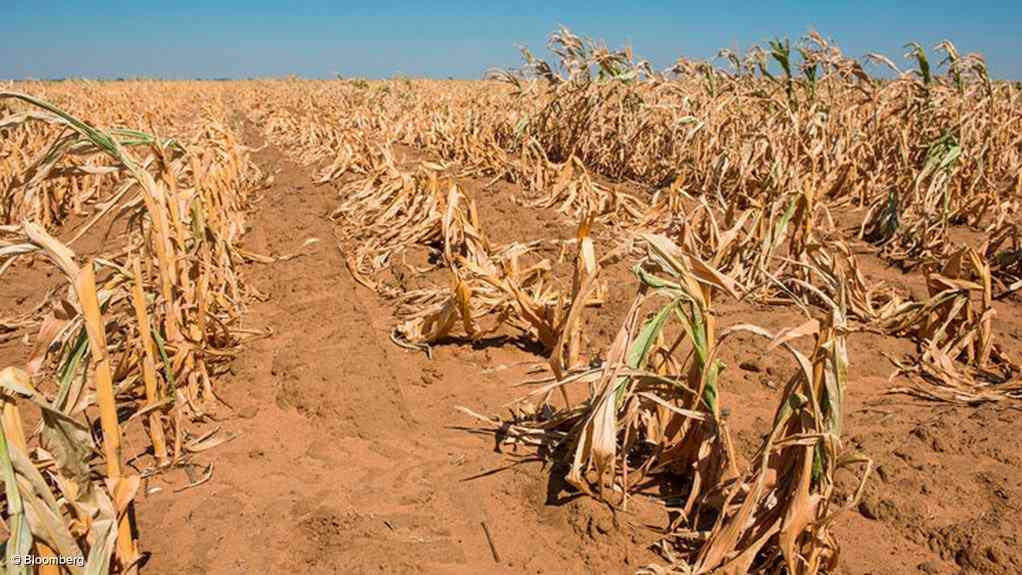
During that period the country experienced severe drought conditions. Official assessments recorded economic losses exceeding E3.8 billion.
Agriculture was the most affected sector, with widespread crop failure reported, particularly in maize and other staple foods.
Water sources including dams, rivers and boreholes dried up in parts of the Lubombo and Shiselweni regions, resulting in emergency water trucking by government and partners.
Livestock losses were also recorded due to a shortage of grazing and water.
Food insecurity increased as household food stocks declined and food prices rose, leading to the implementation of food relief programs in vulnerable communities.
Schools and health facilities in affected areas also experienced pressure due to water shortages and increased demand for services.
Umvalo Wesive said the impacts of 2015-2016 highlighted the importance of preparedness.
The Authority noted that investing before a disaster occurs is more cost effective than responding after the fact.
Umvalo Wesive said it is working with the Eswatini Meteorological Services, the Ministry of Agriculture and development partners to monitor climate conditions and provide regular updates.
The Authority urged ministries and local authorities to review disaster contingency plans.
Key areas identified include water conservation and protection of existing water sources, promotion of drought-resistant crops and conservation agriculture,
maintenance of livestock feed reserves, strengthening of early warning systems and assessment of infrastructure such as roads, bridges and drainage to withstand both drought and flood conditions.
The Authority said that preparedness remains central to protecting lives, livelihoods and national development and that lessons from previous El Niño events must guide current planning.