Eswatini’s beef industry could be edging closer to regaining access to lucrative European export markets after the European Union (EU) welcomed the country’s progress in containing Foot-and-Mouth Disease (FMD),
raising hopes for the eventual resumption of beef exports to the European Union and Norway.
The EU and the International Trade Centre (ITC) congratulated the Government of Eswatini, 
livestock farmers and all stakeholders involved in combating the disease following the Ministry of Agriculture’s announcement that there are currently no active FMD cases in the country.
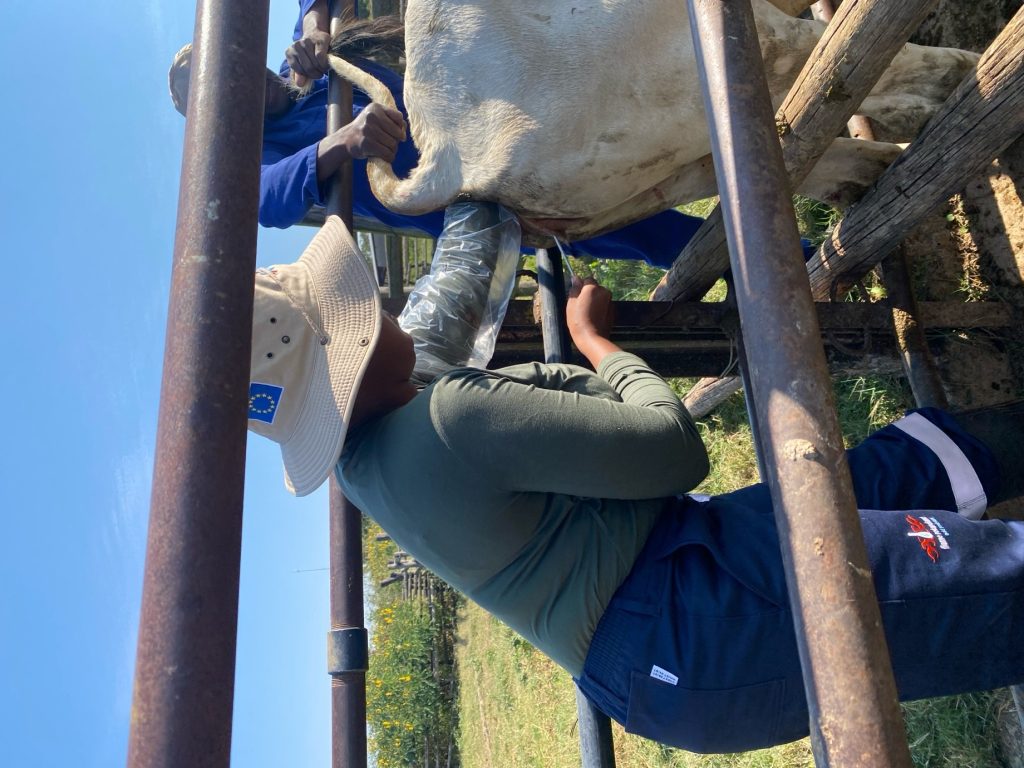
While cautioning that strict surveillance and biosecurity measures must continue, the EU described the latest development as an encouraging milestone for one of Eswatini’s most valuable agricultural industries.
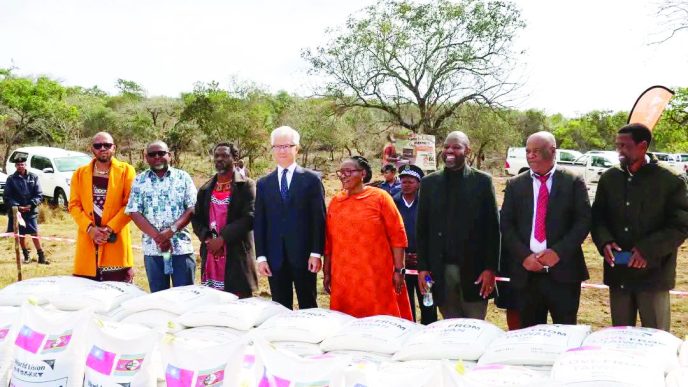
EU Ambassador to Eswatini Karsten Mecklenburg said the progress achieved offers renewed optimism for livestock farmers whose export opportunities were disrupted by the outbreak.
“The EU, through the Eswatini Livestock Value Chain Development Programme (ELVCDP), remains committed to working with Eswatini to strengthen animal health systems, rebuild livestock productivity and support the sector to regain its market opportunities,” said Mecklenburg.
Beef exports to the European Union and associated markets such as Norway were suspended following the FMD outbreak, cutting off one of Eswatini’s premium export destinations.
However, Mecklenburg said the progress made in controlling the disease provides renewed hope that exports could eventually resume once all international animal health and market access requirements have been satisfied.
The EU said restoring export markets depends not only on eliminating the disease but also on maintaining strong surveillance systems, effective biosecurity measures and close cooperation between government, farmers and development partners.
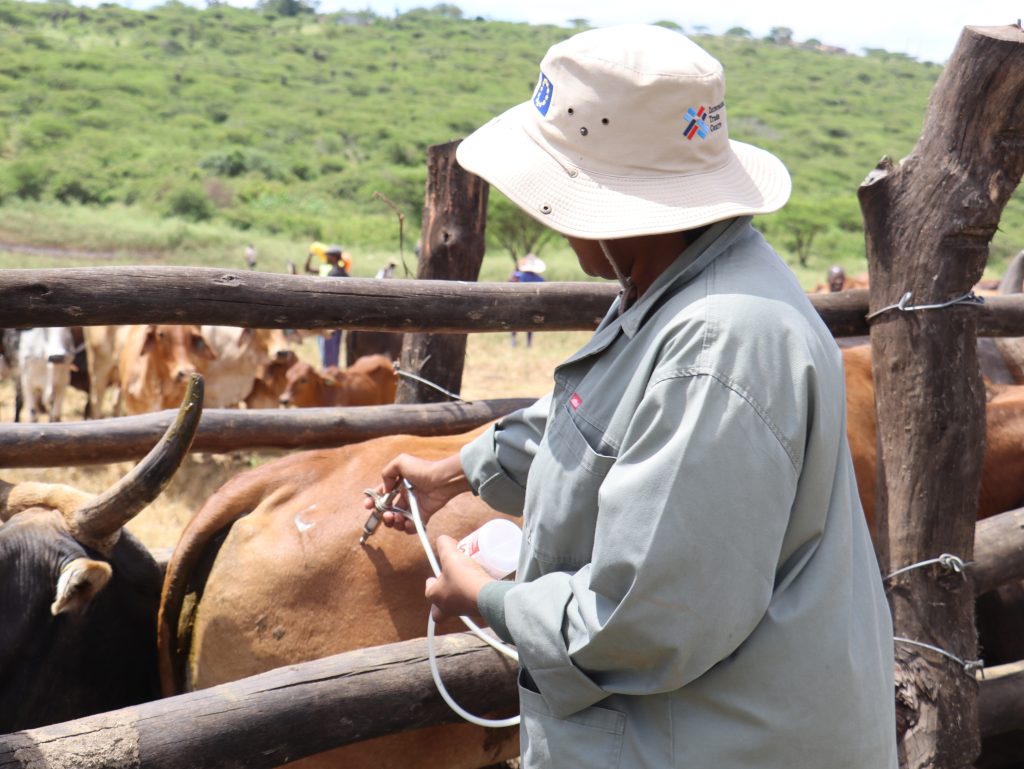
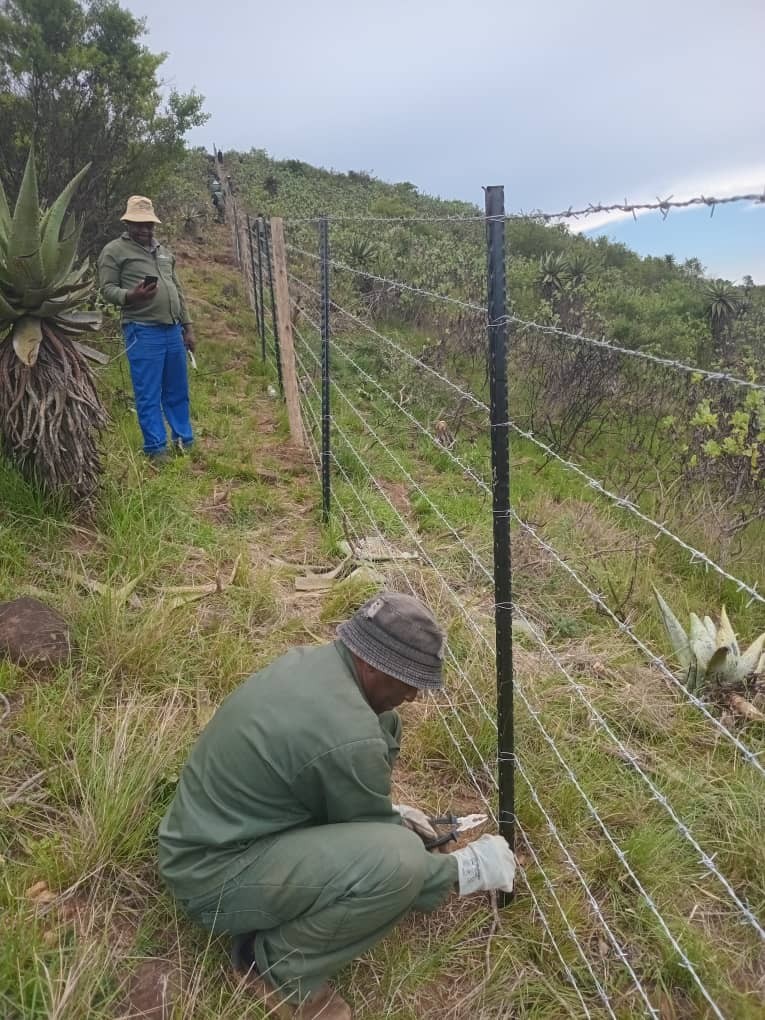
To strengthen the country’s response, the EU-funded Eswatini Livestock Value Chain Development Programme, implemented by the ITC in partnership with Government, has invested heavily in improving animal health systems and veterinary services.
The programme supplied vehicles to strengthen veterinary surveillance, inspections and animal examinations during earlier FMD threats along the Eswatini-South Africa border.
It also provided laboratory supplies to improve the Central Veterinary Laboratory’s capacity to detect the disease early and respond rapidly to outbreaks.
Approximately E1.4 million has been invested in disease surveillance, vaccination campaigns and other animal health interventions aimed at strengthening Eswatini’s capacity to prevent, detect and respond to livestock diseases.
By May this year, programme-supported activities had facilitated the vaccination of 11,519 cattle against Lumpy Skin Disease, 14,798 cattle against clostridial diseases and 10,432 goats against clostridial diseases, alongside ongoing disease surveillance and sampling programmes.
The EU said continued investment in animal health is critical not only for protecting livestock but also for restoring confidence among international trading partners.
Officials emphasised that maintaining disease-free status will be essential if Eswatini is to reclaim its position as a reliable exporter of high-quality beef into premium international markets.
The EU added that continued farmer education, strict biosecurity compliance and sustained collaboration between Government, livestock producers and development partners will be vital in safeguarding the gains already achieved and supporting the long-term recovery of the livestock sector.